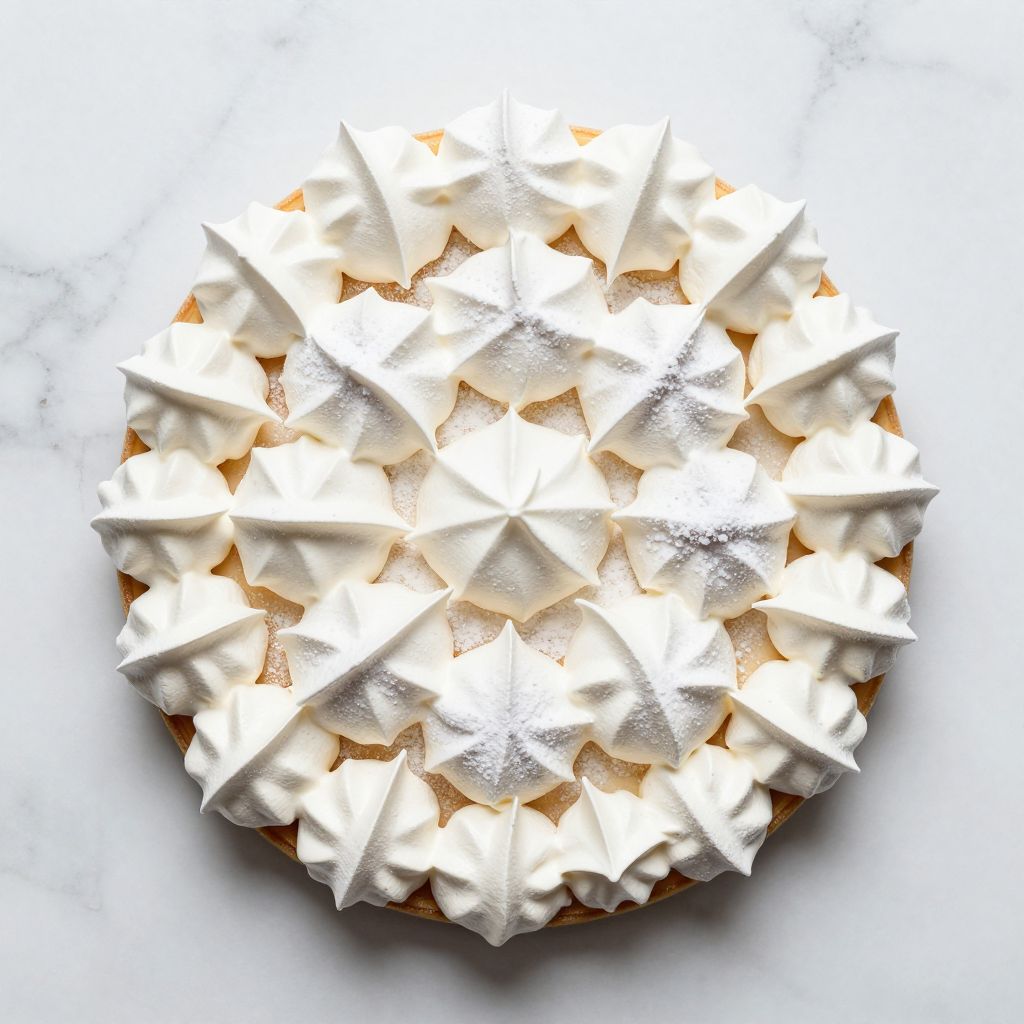
There’s something almost magical about watching egg whites transform into glossy peaks of sweet cloud that crack delicately when you bite into them. French meringue is one of those recipes that feels fancy enough to impress guests yet simple enough for any home baker to master.
This classic meringue stands out because it uses raw egg whites whipped with sugar, creating a lighter, more delicate texture than Italian or Swiss versions. Unlike its cousins, French meringue comes together in minutes with just two ingredients, making it perfect for topping pies, layering into desserts, or baking into crispy shells.
The magic lies in understanding how air and sugar work together, and once you nail the technique, you’ll have an elegant dessert component that elevates everything from lemon tarts to pavlova.
Why You’ll Love This Recipe
French meringue brings sophistication and texture to any dessert without requiring fancy equipment or hard-to-find ingredients.
- Comes together in under 10 minutes with just egg whites and sugar
- Versatile enough to pipe into cookies, top pies, or fold into mousses
- Creates an airy, delicate crumb that melts on your tongue
- Impresses guests with minimal effort once you understand the technique
- Naturally gluten-free and adaptable to dietary needs
My Experience Making This Recipe
The first time I made proper French meringue, I was convinced I’d failed because the mixture looked so sparse and wispy at first. Then I kept whipping, and suddenly it transformed into this glossy, cloud-like substance that held stiff peaks perfectly.
I piped some onto a pie one afternoon and watched my partner’s face light up when he bit into that crispy-yet-tender shell. The texture contrast against the tangy lemon filling was exactly what that dessert needed.
What surprised me most was how forgiving the recipe became once I understood that timing and confidence matter more than precision. Now I make French meringue at least twice a month, whether for quick cookies or as a topping for fresh fruit.
Recipe Overview
- Recipe Name: French Meringue
- Servings: Makes about 12 meringue cookies or topping for one 9-inch pie
- Prep Time: 10 minutes
- Cook Time: 60 minutes (if baking into cookies)
- Total Time: 70 minutes (or 10 minutes if used fresh)
- Course: Dessert
- Cuisine: French
- Calories per Serving: 30 (per cookie, approximately)
Equipment You Will Need
- Stand mixer or hand mixer with whisk attachment
- Clean glass or metal mixing bowl (no plastic)
- Rubber spatula
- Piping bag with round or star tip (for shaping)
- Baking sheet lined with parchment paper
- Sifter or fine-mesh strainer
- Measuring cups and spoons
Ingredients for French Meringue
- 3 large egg whites (room temperature, about 90 grams)
- 150 grams granulated sugar (about 3/4 cup)
- 1/2 teaspoon vanilla extract (optional but recommended)
- 1/4 teaspoon cream of tartar (helps stabilize the whites)
- Pinch of salt
Ingredient Notes and Substitutions
- Egg whites: Room temperature egg whites whip faster and hold more air than cold ones. If using pasteurized eggs is a concern, you can substitute with meringue powder mixed with water following package directions, though the texture will be slightly denser.
- Granulated sugar: Fine sugar dissolves smoothly into the whites and creates a silky texture. Coarse sugar takes longer to dissolve and can create a grainy meringue.
- Cream of tartar: This acid stabilizes egg white foam and prevents it from collapsing. You can replace it with a small squeeze of lemon juice, though cream of tartar works more reliably.
- Vanilla extract: Adds subtle depth to the flavor without overpowering the delicate sweetness. Almond extract works beautifully if you want a different flavor profile.
How to Make French Meringue
Step 1: Prepare Your Equipment
Make sure your mixing bowl is completely clean and dry, with no traces of fat or egg yolk, which prevent the whites from whipping properly. Use a glass or stainless steel bowl rather than plastic, as plastic can retain oils that sabotage your meringue.
Step 2: Separate and Measure Your Egg Whites
Separate your eggs carefully, making sure no yolk gets into the whites. Let the whites sit at room temperature for about 30 minutes, as warmer whites whip faster and incorporate more air than cold ones.
Step 3: Add Cream of Tartar and Salt
Place your egg whites in the clean mixing bowl and add the cream of tartar and pinch of salt. These ingredients help stabilize the foam structure so your meringue stays fluffy rather than deflating.
Step 4: Start Whipping on Medium Speed
Turn on your mixer to medium speed and whip the whites for about 2 minutes until they become foamy and opaque. At this stage, the mixture will look wispy and won’t hold a shape, but you’re building the foundation for stable foam.
Step 5: Increase Speed and Watch for Soft Peaks
Increase the mixer speed to medium-high and continue whipping for another 2 to 3 minutes until soft peaks form. When you lift the whisk, the peaks should curl over gently, showing that air is being incorporated but the whites aren’t yet at full strength.
Step 6: Add Sugar Gradually
Once soft peaks form, add the sugar one tablespoon at a time while the mixer runs at medium-high speed. This gradual addition allows the sugar to dissolve completely into the whites rather than creating a grainy texture, which happens if you dump all the sugar in at once.
Step 7: Whip Until Stiff, Glossy Peaks Form
Continue whipping for 3 to 5 minutes after all the sugar has been added, until the meringue becomes thick, glossy, and forms stiff peaks that stand straight up when you lift the whisk. The mixture should look like shiny, smooth marshmallow fluff with no sugar grains visible when you rub a tiny bit between your fingers.
Step 8: Add Vanilla and Use Immediately
Fold in the vanilla extract gently with a rubber spatula, being careful not to deflate your hard work. Use the meringue right away to pipe onto cookies, top a pie, or fold into mousse, as the longer it sits, the more likely it is to weep and lose stability.
Pro Tip: The moment your meringue reaches stiff, glossy peaks is your window of opportunity; don’t keep whipping or it will become grainy and separate as the foam breaks down.
Tips for the Best French Meringue
- Use room temperature eggs whenever possible, as they whip in about half the time and create more stable foam than cold eggs.
- Invest a moment in cleaning your bowl spotlessly; even a tiny trace of grease or egg yolk will prevent the whites from whipping properly.
- Add sugar slowly and steadily rather than in one clump, which helps it dissolve completely and prevents a grainy texture.
- Stop mixing the moment you reach stiff peaks; over-whipping breaks down the foam structure and makes the meringue look dull and separated.
- If using meringue as a pie topping, spread it onto hot filling so the heat begins cooking the bottom layer, which prevents a soggy crust.
- For baked meringue cookies, keep your oven temperature low (around 200 degrees Fahrenheit) and bake slowly to dry them out without browning.
Common Mistakes to Avoid
- Using cold egg whites is the fastest way to fail; they take twice as long to whip and never reach the same stability as room temperature eggs.
- Adding all the sugar at once creates a grainy meringue because the sugar won’t dissolve evenly into the whites.
- Over-whipping past stiff peaks breaks down the foam structure, making your meringue look dull, wet, and separated.
- Using a wet or oily bowl sabotages everything; even a tiny trace of grease prevents the whites from whipping properly.
- Letting whipped meringue sit too long before using it allows the foam to collapse, making it harder to work with and less fluffy in the final dessert.
Serving Suggestions
French meringue shines when paired with tart or fruity flavors that contrast with its sweetness. Use it as a topping, a structural element, or fold it into other desserts for extra lift and texture.
- Pipe onto lemon or lime tarts for a crispy-tender crown that balances acidic filling
- Layer between shortbread cookies with whipped cream and fresh berries for a light, elegant dessert
- Top individual chocolate mousse cups for a contrast in both flavor and texture
- Fold into whipped cream to create mousse-like texture for strawberry or raspberry desserts
- Bake into individual shells and fill with pastry cream and fruit for impressive homemade pavlova
Variations to Try
- Chocolate Meringue: Sift 2 tablespoons of unsweetened cocoa powder into the finished meringue and fold gently to create a light chocolate version perfect for pairing with fruit.
- Coffee Meringue: Replace vanilla with 1 teaspoon of instant espresso powder dissolved in 1/2 teaspoon of warm water, adding depth that pairs beautifully with chocolate and cream.
- Lemon or Citrus Meringue: Add 1/2 teaspoon of lemon zest or other citrus zest to the finished meringue for brightness that complements pie or mousse.
- Peppermint Meringue: Use 1/4 teaspoon of peppermint extract instead of vanilla, and fold in a pinch of crushed candy canes for a festive holiday version.
- Brown Sugar Meringue: Substitute half the granulated sugar with light brown sugar for a subtle caramel note that adds complexity to cookies or toppings.
Dietary Adaptations
- Gluten-free: This recipe is naturally gluten-free, but ensure any mix-ins or cookies you bake it into use gluten-free flour if needed.
- Dairy-free: French meringue contains no dairy, making it suitable for dairy-free diets, though fillings or toppings added later may need adjustment.
- Vegan: Replace egg whites with aquafaba (liquid from canned chickpeas) using 3 tablespoons per egg white, though the texture will be slightly less stable and glossy.
- Low-carb or keto: Substitute sugar with monk fruit sweetener or erythritol using a 1:1 ratio, though the meringue may not brown as evenly if baked.
Storage and Reheating
Refrigerator
French meringue is best used fresh, but if you’ve made it into cookies or piped shapes, store them in an airtight container for up to 2 days.
- Keep cookies in a single layer separated by parchment to prevent sticking
- Avoid refrigerating raw meringue, as condensation will make it weep
Freezer
Baked meringue cookies freeze beautifully for up to 3 months, making them perfect for preparing ahead.
- Layer cookies between parchment in an airtight container
- Thaw at room temperature for 30 minutes before serving for best texture
Reheating
Baked meringues don’t need reheating and taste best at room temperature, which allows their delicate crunch to shine.
- If meringues become soft from humidity, place them in a 200-degree Fahrenheit oven for 5 to 10 minutes to re-crisp
Nutrition Information
| Nutrient | Amount |
|---|---|
| Calories | 30 |
| Total Fat | 0g |
| Saturated Fat | 0g |
| Carbohydrates | 7g |
| Fiber | 0g |
| Sugar | 7g |
| Protein | 0.3g |
| Sodium | 25mg |
| Cholesterol | 0mg |
Nutritional values are approximate and based on one baked meringue cookie or one serving as a pie topping, calculated using standard ingredient data.
Frequently Asked Questions
Can I use pasteurized eggs for French meringue?
Yes, pasteurized eggs work perfectly and eliminate any food safety concerns with raw egg whites. They whip nearly as well as regular eggs and taste just as delicious when used fresh.
Why did my meringue come out grainy instead of smooth?
Graininess usually happens when sugar is added too quickly or the eggs were too cold to dissolve it properly. Adding sugar one tablespoon at a time and using room temperature eggs prevents this issue.
How far ahead can I make French meringue?
Make raw meringue right before you need it, as it starts deflating within 15 to 30 minutes. If you’ve baked it into cookies or shapes, they keep for 2 to 3 days in an airtight container.
What’s the difference between French, Italian, and Swiss meringue?
French meringue uses raw eggs and whipped sugar, making it the fastest and easiest; Italian uses hot sugar syrup for greater stability; Swiss uses gentle heat to cook the eggs while whipping. French is most delicate, Italian most stable, and Swiss a middle ground.
Can I make meringue if my eggs aren’t perfectly room temperature?
You can, but it will take significantly longer to whip and may not reach the same stability. Let eggs sit out for 20 to 30 minutes, or submerge them in warm water for 5 minutes to speed up the process.
What humidity level is best for meringue?
Low humidity is ideal, as moisture in the air causes baked meringues to become sticky and weep. On humid days, bake meringues in a low oven for longer to dry them out completely.
Final Thoughts
French meringue is proof that the simplest recipes often deliver the most impressive results, especially when technique matters more than ingredient count. Once you understand how whipping creates foam and sugar stabilizes it, you’ll make perfect meringue every time.
Don’t be intimidated by recipes that call for meringue or feel shy about trying it yourself; this is genuinely one of the easiest dessert components to master once you nail the steps.
If you enjoyed this recipe, explore more elegant dessert techniques and flavor combinations on our site. Try our French toast recipe for one for another French classic that’s surprisingly simple, or learn how to make a perfect powdered sugar icing recipe to top your meringue creations.
French Meringue

Light and airy French meringue made by whipping egg whites and sugar to glossy, stiff peaks; perfect for cookies, pie toppings, and more.
- Stand mixer or hand mixer with whisk attachment
- Clean glass or metal mixing bowl (no plastic)
- Rubber spatula
- Piping bag with round or star tip (for shaping)
- Baking sheet lined with parchment paper
- Sifter or fine-mesh strainer
- Measuring cups and spoons
Main
- 3 large egg whites (room temperature, about 90 grams)
- 150 grams granulated sugar (about 3/4 cup)
- 1/2 teaspoon vanilla extract (optional but recommended)
- 1/4 teaspoon cream of tartar (helps stabilize the whites)
- Pinch of salt
- Ensure mixing bowl and whisk are clean and free of any grease, and set up your mixer.
- Separate the egg whites carefully, ensuring no yolk, and bring them to room temperature, about 30 minutes before starting.
- Place egg whites in the bowl with cream of tartar and a pinch of salt to stabilize the foam.
- Beat the egg whites on medium speed for 2 minutes until foamy and opaque.
- Increase mixer to medium-high speed and continue whipping until soft peaks form, about 2 to 3 minutes.
- With the mixer running at medium-high, add granulated sugar one tablespoon at a time, allowing each addition to dissolve.
- Continue whipping for 3 to 5 minutes until the meringue is thick, glossy, and holds stiff peaks.
- Gently fold in the vanilla extract with a spatula without deflating the meringue.
- Preheat the oven to 200°F (95°C) and line a baking sheet with parchment paper.
- Pipe or spoon the meringue onto the prepared baking sheet.
- Bake for 60 minutes until the meringues are dry and crisp, then turn off the oven and let them cool inside for 1 hour to dry completely.
- Remove meringues and cool on a wire rack before serving or storing.
Use meringue immediately for toppings, or store baked meringue cookies in an airtight container for up to 2 days.