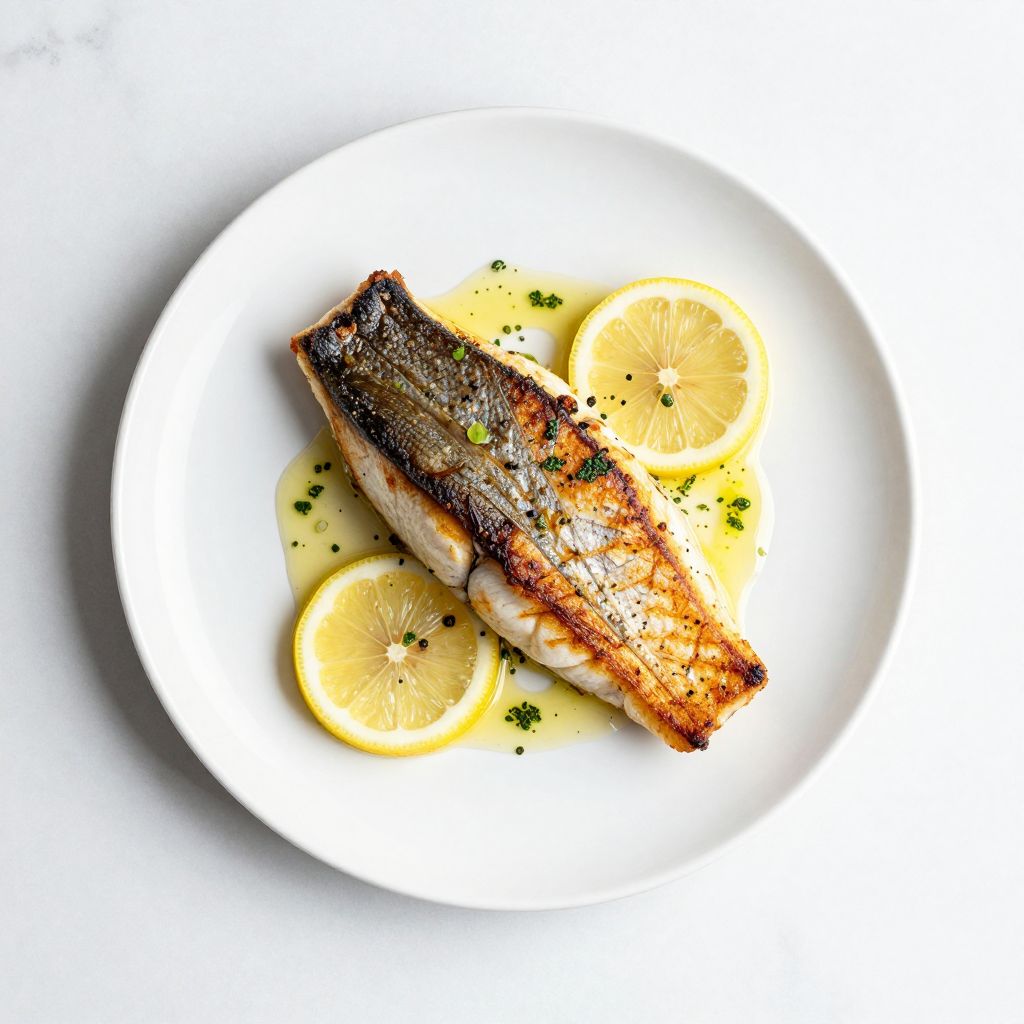
There’s something almost magical about the moment when a perfectly seared branzino fillet hits the plate, its skin crackling golden and its flesh impossibly tender inside.
Branzino fillet is a restaurant-quality dish that you can absolutely master at home, and honestly, it’s far simpler than it looks.
This Mediterranean fish cooks in minutes, needs minimal fussing, and tastes luxurious without demanding complicated techniques or obscure ingredients.
Whether you’re cooking for a weeknight dinner or impressing guests, branzino delivers that elegant, restaurant-worthy moment that makes you feel like a real chef.
Read on to learn how to cook branzino fillet that’s crispy outside, buttery inside, and ready in under 30 minutes.
Why You’ll Love This Recipe
Branzino fillet hits all the right notes: it’s quick, impressive, and genuinely delicious without pretense.
- Cooks in less than 15 minutes from start to finish
- Requires only basic pantry staples and fresh fish
- Works beautifully for weeknight dinners or date night at home
- Naturally gluten-free and packed with lean protein
- Pairs effortlessly with countless side dishes and flavor combinations
My Experience Making This Recipe
The first time I cooked branzino fillet at home, I was honestly nervous about overcooking it. Fish has a reputation for being finicky, and I’d heard plenty of stories about dry, flaky disasters.
But the moment that skin touched the hot pan and started crackling, I knew I was onto something good. The kitchen filled with this wonderful buttery aroma, and within minutes, I had a restaurant-quality dinner that my guests absolutely raved about.
What surprised me most was how forgiving the cooking process actually is. Once you nail the heat level and get the skin crispy, the fish practically cooks itself in the residual warmth.
Recipe Overview
- Recipe Name: Pan-Seared Branzino Fillet with Lemon and Herbs
- Servings: 2
- Prep Time: 10 minutes
- Cook Time: 12 minutes
- Total Time: 22 minutes
- Course: Main Course
- Cuisine: Mediterranean
- Calories per Serving: 320
Equipment You Will Need
- 12-inch stainless steel or cast iron skillet
- Paper towels
- Fine sea salt and pepper shaker
- Instant-read thermometer
- Spatula or fish turner
- Small saucepan for butter and lemon sauce
- Cutting board and sharp knife
- Small bowl for mixing herbs
Ingredients for Branzino Fillet
- Branzino fillets: 2 fillets, 6 ounces each, skin on
- Extra virgin olive oil: 3 tablespoons
- Sea salt: 1 teaspoon
- Black pepper: 1/2 teaspoon
- Fresh lemon: 1 lemon, halved and sliced into wedges
- Unsalted butter: 2 tablespoons
- Fresh garlic: 2 cloves, thinly sliced
- Fresh thyme: 3 sprigs
- Fresh parsley: 2 tablespoons, chopped
Ingredient Notes and Substitutions
- Branzino: This Mediterranean sea bass has delicate, flaky white flesh and buttery flavor that shines with minimal seasoning. If branzino is unavailable, try ahi tuna for a meatier texture, or steelhead trout for a similar cooking method with slightly richer flavor.
- Extra virgin olive oil: The high-quality fat creates crispy skin and adds Mediterranean depth. Regular olive oil works if needed, though premium oil makes a noticeable difference in final flavor.
- Fresh lemon: Bright acidity cuts through the richness and highlights the fish’s delicate flavor. Fresh lime or white wine vinegar can substitute if lemon is unavailable, shifting the flavor profile slightly.
- Unsalted butter: This carries the garlic and herb flavors into a silky sauce that finishes the dish. Ghee offers a nutty alternative if avoiding dairy, though it will change the sauce character.
- Fresh thyme: This herb adds subtle earthiness without overpowering the fish. Dried thyme can work in a pinch (use one-third the amount), though fresh herbs deliver superior flavor and aroma.
How to Make Branzino Fillet
Step 1: Pat the Fish Completely Dry
Remove the branzino fillets from the refrigerator and place them on paper towels, skin side up. Pat them thoroughly dry on both sides, making sure no moisture clings to the surface.
This step is absolutely critical because water on the skin prevents browning and creates steam instead of a golden crust. Wet fish will never achieve that desirable crackle no matter how hot your pan is.
Step 2: Season the Fillets Generously
Sprinkle both sides of each fillet with sea salt and freshly cracked black pepper, using about 1/2 teaspoon salt and 1/4 teaspoon pepper per fillet. Don’t be shy here; the seasoning should be visible on the surface.
Proper seasoning at this stage flavors the fish from the outside in and helps develop that crispy, flavorful skin. Let the seasoned fillets rest for 5 minutes so the salt begins drawing moisture to the surface, which you’ll blot away for an even crisper result.
Step 3: Pat Again and Blot Any Residual Moisture
After resting, use fresh paper towels to blot away any moisture that has pooled on the surface. This final patting ensures maximum crispiness when the fish hits the hot oil.
Don’t skip this step, even though it seems repetitive. That brief rest redistributes the salt and brings more surface moisture to the top, and removing it guarantees a restaurant-quality crust.
Step 4: Heat the Skillet and Oil Until Smoking
Place a 12-inch stainless steel or cast iron skillet over medium-high heat for 3 minutes until it’s thoroughly preheated. Add 2 tablespoons of extra virgin olive oil and let it heat until the oil just begins to shimmer and barely smoke around the edges.
This high temperature is essential for creating the Maillard reaction that browns the skin and locks in flavor. If the oil isn’t hot enough, the skin will steam and become pale and limp instead of crispy.
Step 5: Place the Fillets Skin Side Down in the Hot Pan
Carefully place each branzino fillet skin side down in the sizzling oil, laying it away from your body to avoid splatters. You should hear an immediate, aggressive sizzle when the fish contacts the pan.
Once the fillets are in the pan, resist the urge to move them around. Leave them undisturbed for 5 to 6 minutes so the skin can develop a deep golden crust and crisp up properly.
Step 6: Don’t Move the Fish
While the fillets cook skin side down, prep your lemon wedges and chop your parsley, but keep your hands off that fish. The moment you move it, you interrupt the browning process and risk tearing the delicate skin.
This is a good time to listen to the sizzle and enjoy the aroma. When you hear the sound mellow slightly and the edges of the fillet turn opaque, you’re getting close to flipping time.
Step 7: Flip the Fillets and Cook the Second Side
Using a wide fish spatula or thin metal turner, gently slide it under each fillet and flip it in one smooth, confident motion. The skin should be golden brown and the fillet should release easily from the pan.
Once flipped, add the remaining 1 tablespoon of olive oil around the edges of the pan and immediately add the sliced garlic and thyme sprigs. Cook for another 3 to 4 minutes until the flesh is opaque and flakes easily when tested with a fork.
Step 8: Create the Butter and Lemon Pan Sauce
When the fish is nearly cooked through, add 2 tablespoons of unsalted butter to the pan and let it melt into a foamy, nutty mixture. Immediately squeeze the lemon wedges into the pan so the juice mingles with the hot butter and garlic.
This quick sauce captures all the incredible flavors from the pan and creates a silky, tangy finish. The acidity from the lemon brightens the richness of the butter and fish, bringing everything into perfect balance.
Step 9: Transfer to a Plate and Finish
Carefully transfer each branzino fillet to a serving plate, skin side up to showcase that beautiful golden crust. Spoon the warm garlic, thyme, and lemon butter sauce over and around the fillets.
Scatter the fresh chopped parsley over the top and serve immediately while the fish is hot and the sauce is at its most luxurious. A few lemon wedges on the side let guests adjust the acidity to their taste.
Pro Tip: The internal temperature of cooked branzino should reach 145 degrees Fahrenheit, but remove it from heat at 140 degrees and let carryover cooking finish the job for impossibly tender, moist flesh.
Tips for the Best Branzino Fillet
- Buy branzino from a trusted fishmonger and cook it the same day if possible. Fresh fish has firm, clear eyes and smells like the ocean, not fishy or ammonia-like.
- Let your skillet get genuinely hot before adding oil. A properly preheated pan is the secret to crispy skin without overcooking the delicate flesh underneath.
- Don’t skip patting the fish dry multiple times. Moisture is the enemy of crispiness, and this single step makes the biggest difference in results.
- Use a fish spatula or thin metal turner rather than tongs, which can tear the delicate flesh and break apart the skin you worked to crisp up.
- Season boldly at the start. Fish needs more seasoning than you might think, and underseasoned branzino tastes bland no matter how perfectly cooked.
- Cook skin side down first and longer than the flesh side. The skin requires more direct heat to render the fat and achieve that crackling texture.
Common Mistakes to Avoid
- Cooking wet fish: Skipping the patting step results in steamed rather than seared fillets with pale, soggy skin instead of a crispy crust.
- Overcrowding the pan: Cooking both fillets at once lowers the oil temperature and prevents proper browning. If your pan is small, cook one fillet at a time and keep the first warm while cooking the second.
- Moving the fish too early: Flipping before the skin is golden and crispy tears the flesh and wastes the work you did to build that crust.
- Using low heat: Branzino needs high, confident heat to develop that signature crispy exterior while keeping the interior tender and moist.
- Overcooking: Fish continues cooking after you remove it from heat, so pulling it at 140 degrees internal temperature gives you a perfect result rather than dry, chalky flesh.
Serving Suggestions
Branzino fillet pairs beautifully with bright, fresh sides that complement its delicate flavor without overwhelming it. The fish itself is the star, so choose supporting players that stay out of the spotlight.
- Roasted asparagus tossed with garlic and finishing salt
- Creamy risotto made with white wine and Parmesan cheese
- Arugula salad with lemon vinaigrette and shaved Parmesan
- Roasted fingerling potatoes with fresh rosemary and sea salt
- Sauteed spinach with garlic and a squeeze of fresh lemon juice
Variations to Try
- Mediterranean style: Add kalamata olives, diced tomatoes, and capers to the pan sauce for briny, complex flavors that enhance the fish’s natural sweetness.
- Herb-crusted: Press a mixture of crushed breadcrumbs, fresh herbs, and lemon zest onto the flesh side before flipping, creating a textured, flavorful crust that adds depth.
- Asian-inspired: Replace the butter and lemon with soy sauce, fresh ginger, and sesame oil, then garnish with scallions and cilantro for an entirely different flavor profile.
- Spicy kick: Add red pepper flakes or a touch of harissa to the pan sauce for warmth and complexity that plays nicely against the fish’s delicate richness.
- Wine-poached: Cook the fillets skin side down as directed, then pour in dry white wine instead of creating a butter sauce for a lighter, more delicate finish.
Dietary Adaptations
- Gluten-free: This recipe is naturally gluten-free as written since there’s no flour or breadcrumbs involved. Simply verify that any store-bought ingredients are certified gluten-free.
- Dairy-free: Replace the unsalted butter with extra virgin olive oil or ghee in the finishing sauce. The dish will be slightly lighter but remain utterly delicious.
- Vegan or vegetarian: Branzino is fish, so it’s not suitable for these diets. Substitute with firm tofu or a thick portobello mushroom cap, cooking it using the same high-heat searing method.
- Low-carb or keto: This recipe is perfectly suited to low-carb and keto diets as branzino contains zero carbohydrates and healthy fats from olive oil and butter.
Storage and Reheating
Refrigerator
Store leftover cooked branzino in an airtight container for up to 2 days. Keep the fish separate from any sauce to prevent the skin from becoming soggy.
- Store fish and sauce in separate containers if possible
- Keep away from strong-smelling foods as fish absorbs odors easily
Freezer
Cooked branzino freezes acceptably for up to 1 month, though the texture becomes slightly less delicate upon thawing. Freeze in an airtight container with parchment paper between pieces if storing multiple fillets.
- Wrap tightly in plastic wrap, then place in a freezer-safe container to prevent freezer burn
- Label with the date so you remember when you froze it
Reheating
Reheat gently in a 275-degree oven for 8 to 10 minutes until warmed through, covering with foil to prevent drying. Never use the microwave, which turns the delicate flesh rubbery and tough.
- Preheat the oven and use low, gentle heat to preserve texture
- Add a splash of fresh lemon juice and a small knob of butter before reheating to restore moisture and flavor
Nutrition Information
| Nutrient | Amount |
|---|---|
| Calories | 320 |
| Total Fat | 16g |
| Saturated Fat | 4g |
| Carbohydrates | 2g |
| Fiber | 0g |
| Sugar | 0g |
| Protein | 42g |
| Sodium | 680mg |
| Cholesterol | 95mg |
This nutritional information is an estimate based on standard ingredient sizes and doesn’t account for salt added during cooking. Actual values may vary based on the exact products and quantities you use.
Frequently Asked Questions
Can I use frozen branzino fillet for this recipe?
Yes, but thaw it completely in the refrigerator for 24 hours before cooking. Cooking frozen fish directly results in uneven cooking, with the outside overcooked before the inside is warm.
What’s the difference between branzino and sea bass?
Branzino is a species of sea bass native to the Mediterranean, known for its particularly delicate, buttery flesh and mild flavor. European sea bass and Mediterranean sea bass are essentially the same fish sold under different regional names.
Can I make this recipe ahead of time?
Branzino is best served immediately after cooking while the skin is still crispy. You can prep all your ingredients and seasonings ahead, but the actual cooking should happen just before serving.
Why is my branzino skin not crispy?
This usually means the fish wasn’t patted dry enough, the pan wasn’t hot enough, or you moved it too early during cooking. Make sure your oil is shimmering and smoking, pat the fish multiple times, and resist moving it for the full 5 to 6 minutes skin-side-down.
How do I know when the branzino is done cooking?
The flesh should be opaque and flake easily with a fork, and the internal temperature should reach 140 to 145 degrees Fahrenheit at the thickest part. Don’t rely on appearance alone, as fish can look done before it’s actually cooked through.
Can I cook branzino in the oven instead of on the stovetop?
You can finish branzino in the oven after searing the skin on the stovetop, but cooking it entirely in the oven won’t give you that crispy, golden skin that makes this dish special. For best results, use the stovetop method for both sides.
Final Thoughts
Branzino fillet might seem like the kind of dish that requires professional culinary training, but the truth is far simpler. With proper technique and a bit of confidence, you can serve restaurant-quality fish at your own table in under 30 minutes.
The magic comes from understanding that high heat, dry fish, and patience create the perfect crust, while the simple lemon-butter sauce lets the delicate flavor of the branzino shine through. Make this recipe this week, and you’ll be amazed at how impressive you look cooking it for friends and family.
Explore More Fish Recipes
If you enjoyed this branzino recipe, you might also love exploring other elegant fish dishes that bring restaurant quality to your home kitchen.
Pan-Seared Branzino Fillet with Lemon and Herbs
Perfectly seared branzino fillets with crispy skin and tender flesh, topped with a buttery lemon-herb sauce, ready in under 30 minutes.
- 12-inch stainless steel or cast-iron skillet
- Paper towels
- Fine sea salt and pepper shaker
- Instant-read thermometer
- Fish spatula or turner
- Small saucepan
- Cutting board and sharp knife
- Small bowl for mixing herbs
Main
- 2 branzino fillets (6 ounces each, skin on)
- 3 tablespoons extra virgin olive oil
- 1 teaspoon sea salt
- 1/2 teaspoon black pepper
- 1 lemon (halved and sliced into wedges)
- 2 tablespoons unsalted butter
- 2 cloves fresh garlic (thinly sliced)
- 3 sprigs fresh thyme
- 2 tablespoons fresh parsley (chopped)
- Pat the branzino fillets dry with paper towels, skin side up, removing all moisture.
- Season both sides of each fillet with sea salt and black pepper, then let rest for 5 minutes.
- Blot any moisture that appears on the surface with fresh paper towels before cooking.
- Heat a 12-inch skillet over medium-high heat for 3 minutes until very hot, then add 2 tablespoons olive oil and heat until shimmer.
- Carefully place the fillets skin side down in the hot oil and cook undisturbed for 5 to 6 minutes until the skin is deep golden and crisp.
- Flip the fillets using a fish spatula, add the remaining 1 tablespoon olive oil around the edges, and add sliced garlic and thyme sprigs.
- Cook the second side for 3 to 4 minutes until the flesh is opaque and flakes easily with a fork.
- Add unsalted butter to the pan and let it melt, then squeeze lemon wedges into the pan and stir to create a pan sauce.
- Transfer fillets to serving plates skin side up, spoon the garlic-thyme-lemon butter sauce over the fish, and sprinkle with chopped parsley.
Serve immediately while hot and crispy. Store fish and sauce separately in the refrigerator for up to 2 days.