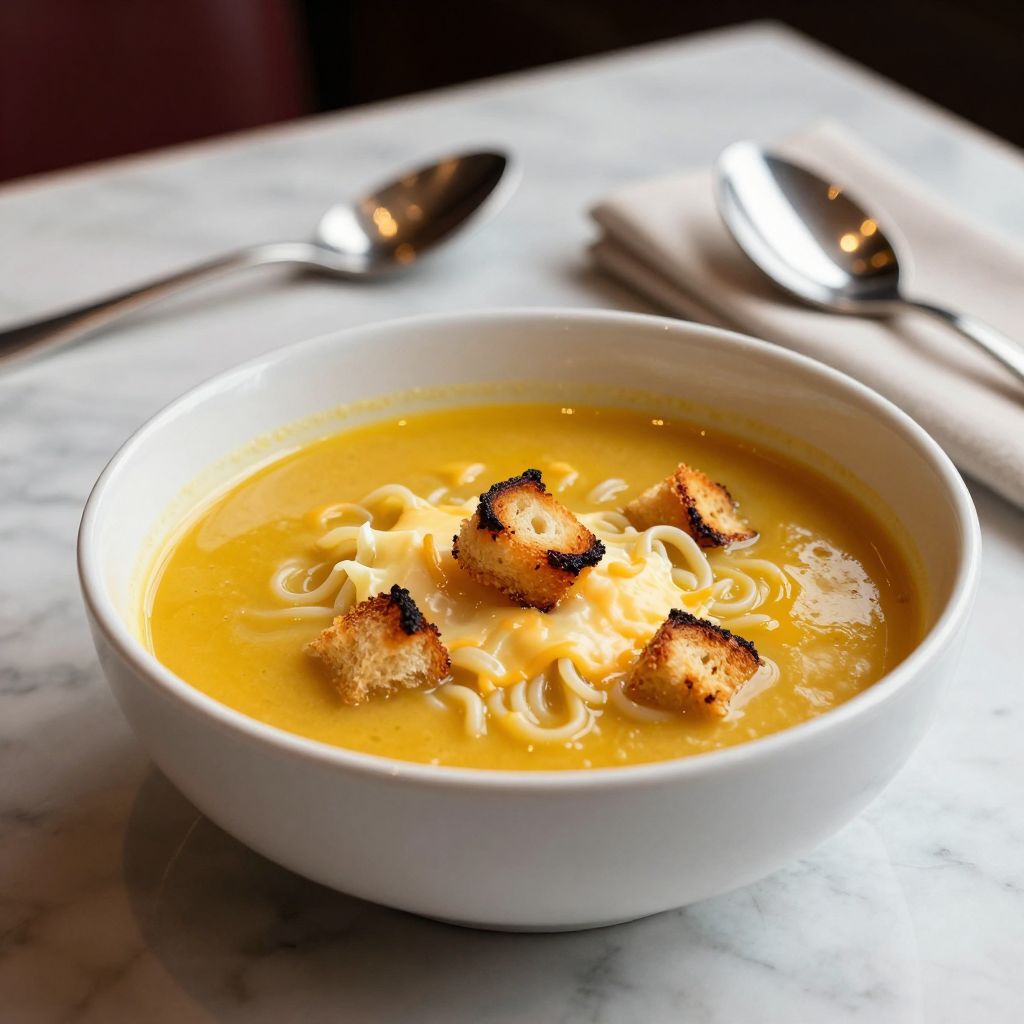
There’s something almost magical about a steaming bowl of soup when you’re feeling under the weather, and penicillin soup has earned its nickname for good reason. This golden, aromatic broth loaded with chicken, noodles, and healing herbs tastes like comfort itself and delivers real nourishment when you need it most.
Penicillin soup brings together simple pantry staples into something far greater than the sum of its parts. The long-simmered broth develops deep, savory notes while fresh ginger and garlic infuse warmth throughout, making it the kind of dish that feels like a hug in a bowl.
Why You’ll Love This Recipe
This soup works magic on tired bodies and busy schedules alike. It comes together in under an hour, uses ingredients you likely have on hand, and tastes even better the next day.
- Packed with protein from shredded chicken to keep you satisfied and strong
- Golden, healing broth infused with ginger, garlic, and fresh herbs
- Customizable with noodles, vegetables, or proteins to match your cravings
- Perfect for meal prep since it freezes beautifully for weeks
- Restaurant-quality flavor achieved with minimal effort in your own kitchen
My Experience Making This Recipe
I first made penicillin soup on a gray January afternoon when everyone in my house seemed to catch the same cold at once. The aroma of simmering chicken and ginger filled the kitchen within minutes, and my skeptical teenager actually asked for seconds before the day ended.
What struck me most was how simple the ingredient list felt but how complex the final flavor turned out to be. The broth tastes like it simmered for hours, yet active cooking time barely exceeds fifteen minutes.
Now I keep chicken broth and egg noodles stocked specifically for this recipe. My family requests it even when no one’s sick, which tells you something about its genuine appeal beyond the health benefits.
Recipe Overview
- Recipe Name: Penicillin Soup
- Servings: 4 to 6 servings
- Prep Time: 15 minutes
- Cook Time: 25 minutes
- Total Time: 40 minutes
- Course: Soup, Main Course
- Cuisine: Jewish-American, Comfort Food
- Calories per Serving: 285 calories
Equipment You Will Need
- Large stockpot or Dutch oven (at least 4 quarts)
- Cutting board and sharp chef’s knife
- Wooden spoon for stirring
- Vegetable peeler for ginger and carrots
- Measuring spoons and cups
- Colander for draining noodles
- Ladle for serving
- Grater for fresh ginger (optional)
Ingredients for Penicillin Soup
- 6 cups chicken broth, preferably low-sodium
- 2 inches fresh ginger, peeled and thinly sliced
- 4 cloves garlic, minced or smashed
- 2 cups shredded cooked chicken, rotisserie or poached
- 2 medium carrots, thinly sliced or cut into matchsticks
- 2 stalks celery, sliced thin
- 1 cup egg noodles, small or medium shapes
- 2 tablespoons fresh dill, roughly chopped
- 1 tablespoon fresh parsley, roughly chopped
- 1 tablespoon fresh lemon juice
- 1 teaspoon kosher salt, or to taste
- 1/2 teaspoon black pepper
- 2 tablespoons olive oil
Ingredient Notes and Substitutions
- Fresh ginger brings the signature warming spice and anti-inflammatory benefits that define this soup. Substitute with 1 teaspoon ground ginger if fresh is unavailable, though fresh delivers better flavor and aroma.
- Egg noodles cook quickly and absorb the broth while maintaining texture. Use small pasta shapes like orzo or ditalini for a different mouthfeel, or swap rice noodles for a lighter feel.
- Fresh dill adds bright, herbaceous notes that distinguish this soup from basic chicken soup. If dill is hard to find, use half the amount of fresh tarragon or skip it entirely for a more neutral broth.
- Shredded rotisserie chicken saves massive time compared to poaching your own. Store-bought works perfectly here, though poaching a chicken breast takes about fifteen minutes if you prefer homemade.
- Fresh lemon juice brightens the broth and balances the rich ginger and chicken flavors. Bottled lemon juice works in a pinch, but fresh delivers noticeably better brightness and complexity.
How to Make Penicillin Soup
Step 1: Prepare Your Ingredients
Gather all ingredients and prepare them before you start cooking, which keeps the process smooth and stress-free. Slice the ginger thin, mince the garlic, slice the carrots and celery thin, chop your fresh herbs, and measure everything out into small bowls.
Step 2: Heat the Olive Oil
Pour the olive oil into your stockpot over medium-high heat and let it warm for about one minute. You’ll know it’s ready when it shimmers slightly and smells fragrant.
Step 3: Bloom the Aromatics
Add the sliced ginger and minced garlic to the hot oil and stir constantly for about one minute, allowing the mixture to become fragrant and slightly golden. This brief cooking step, called blooming, unlocks the essential oils in both ingredients and deepens their flavors dramatically.
Step 4: Add the Broth
Pour in the chicken broth and bring the mixture to a gentle boil over medium-high heat. This typically takes about four to five minutes, and you’ll see small bubbles breaking the surface actively.
Step 5: Add Vegetables and Chicken
Once the broth boils, add the sliced carrots, celery, and shredded chicken, then reduce the heat to medium-low and simmer for about eight minutes. The vegetables should begin to soften slightly but still retain a little bite.
Step 6: Cook the Noodles
Stir in the egg noodles and continue simmering for five to seven minutes, or until the noodles are tender but not mushy. Check the package directions for exact timing, as different shapes cook at slightly different rates.
Step 7: Season the Soup
Add the salt, black pepper, and fresh lemon juice, then stir well and taste carefully. Add more salt or lemon juice if needed, building the flavor gradually since it’s easier to add seasoning than remove it.
Step 8: Finish with Fresh Herbs
Remove the pot from heat and stir in the fresh dill and parsley, reserving a little of each for garnish if you like. The fresh herbs add brightness and a final burst of freshness that makes this soup sing.
Pro Tip: Keep the ginger slices relatively thin and the heat moderate to prevent the broth from becoming bitter. The long simmer time is what builds flavor, not aggressive boiling.
Tips for the Best Penicillin Soup
- Use homemade or high-quality low-sodium broth for the cleanest, most flavorful base. Store-bought broth varies wildly in salt content, so always taste before adding more seasoning.
- Slice your ginger against the grain for pieces that break down slightly as the soup simmers, releasing more flavor into the broth. Thick chunks stay too firm and don’t contribute as much.
- Don’t overcook the noodles, or they’ll fall apart and turn the broth cloudy and starchy. Check them a minute before the package suggests and drain them slightly before adding to the pot.
- Add the fresh herbs at the very end, right before serving, to preserve their bright flavor and color. Cooking dill and parsley for too long mutes their herbaceous qualities.
- Make extra broth and freeze it in ice cube trays for a quick soup base on future sick days. Pop a few cubes into a mug of hot water for an instant lighter version.
- Swirl in a spoonful of sour cream or Greek yogurt just before serving for added richness and a subtle tang that complements the ginger beautifully.
Common Mistakes to Avoid
- Boiling the broth too aggressively breaks down the vegetables too quickly and can make the soup taste muddy rather than clear. Maintain a gentle simmer instead for a cleaner, brighter result.
- Skipping the blooming step with ginger and garlic results in flat, one-dimensional flavor. Those thirty seconds of toasting in oil multiply the aromatic impact exponentially.
- Using stale or low-quality ginger creates a harsh, off-flavor in the broth. Fresh, firm ginger should feel heavy for its size and smell peppery and clean.
- Adding all the herbs at once rather than reserving some for finishing loses the chance to deliver bright, fresh herbaceous notes that define this soup. Save at least half the fresh herbs for the end.
- Making the soup with cold leftover chicken that never properly heats through changes the texture and reduces how well it melds with the broth. Bring chicken to room temperature or warm it gently in the broth first.
Serving Suggestions
Serve this soup in warmed bowls with crusty bread on the side for soaking up every last drop of golden broth. A simple green salad with lemon vinaigrette or a grilled cheese sandwich transforms this into a complete, satisfying meal.
- Crusty sourdough or challah bread for dipping and soaking up broth
- Warm matzo crackers broken into the soup for texture and tradition
- A squeeze of fresh lemon juice or dash of hot sauce for extra brightness and heat
- Grated Parmesan cheese sprinkled over the top for umami depth
- A side salad with bitter greens dressed in vinaigrette to cut through the richness
Variations to Try
- Turkey Penicillin Soup: Substitute shredded turkey for chicken and add a pinch of turmeric for earthiness. The lighter poultry takes on the ginger broth differently, creating a slightly more delicate flavor profile.
- Vegetarian Version: Use vegetable broth and replace the chicken with extra noodles, chickpeas, or tofu for protein. The ginger and garlic remain the true stars, making this version equally compelling.
- Spicy Kick: Add a diced jalapeño during the bloom step and finish with a drizzle of hot chili oil. Fresh heat pairs beautifully with the warming ginger and creates a more dynamic, complex bowl.
- Loaded Vegetable Version: Dice zucchini, spinach, mushrooms, or kale and add them during the simmer. More vegetables increase the nutritional value and make the soup heartier without changing the fundamental character.
- Asian-Inspired: Add a tablespoon of soy sauce, a teaspoon of sesame oil, and replace dill with scallions and cilantro. This pivot maintains the healing qualities while leaning into different cultural traditions.
Dietary Adaptations
- Gluten-Free: Use gluten-free pasta shapes or rice noodles instead of regular egg noodles, and verify your broth is certified gluten-free. The rest of the recipe remains unchanged and works beautifully.
- Dairy-Free: This recipe is naturally dairy-free, though you’ll want to skip the sour cream garnish or use a coconut cream alternative. Everything else proceeds as written without any sacrifice to flavor.
- Vegan: Replace chicken with extra noodles, crumbled tofu, or chickpeas and use vegetable broth instead of chicken broth. The ginger-garlic foundation remains so powerful that the absence of chicken goes almost unnoticed.
- Low-Carb/Keto: Substitute cauliflower rice or zucchini noodles for egg noodles and add extra chicken for satiety. You lose some of the traditional comfort factor but maintain the healing, warming qualities that define the soup.
Storage and Reheating
Refrigerator
Store the soup in an airtight container for up to four days in the refrigerator. The flavors actually improve slightly as the ingredients continue to meld overnight.
- Cool the soup to room temperature before refrigerating to prevent condensation and bacterial growth
- Store noodles separately if making ahead, adding them just before serving to prevent sogginess
- Keep fresh herbs separate and stir them in just before serving for maximum brightness
Freezer
Freeze the soup without noodles in portions for up to three months for maximum freshness and flexibility. This lets you thaw exactly what you need without waste.
- Freeze in ice cube trays first, then transfer cubes to freezer bags for easy portioning
- Leave at least an inch of headspace in containers to account for expansion as the soup freezes
- Label containers with the date and contents so you know what you have on hand
Reheating
Thaw overnight in the refrigerator if frozen, then reheat gently on the stovetop over medium heat, stirring occasionally. Add fresh noodles and herbs just before serving for the best texture and flavor.
- Heat slowly to prevent the broth from boiling aggressively and breaking down vegetables further
- If reheating from frozen, add a splash of broth or water to replace evaporation
- Taste and adjust seasoning before serving since flavors can mute slightly during storage
Nutrition Information
| Nutrient | Amount |
|---|---|
| Calories | 285 |
| Total Fat | 8g |
| Saturated Fat | 2g |
| Carbohydrates | 28g |
| Fiber | 2g |
| Sugar | 3g |
| Protein | 26g |
| Sodium | 890mg |
| Cholesterol | 75mg |
These values are approximate and based on standard ingredient brands and serving sizes of approximately one and a half cups per person. Actual nutrition varies with specific ingredient choices and portion adjustments.
Frequently Asked Questions
Can I make this soup without fresh ginger?
Yes, substitute one teaspoon of ground ginger for the fresh ginger, though the flavor will be slightly less bright and aromatic. Add it during the blooming step with the garlic for best results.
How far in advance can I prepare ingredients?
Chop vegetables and herbs up to two days ahead and store them separately in airtight containers in the refrigerator. Keep shredded chicken covered separately and combine everything just before cooking.
Can I use store-bought rotisserie chicken for this recipe?
Absolutely, and it saves significant time and effort while delivering excellent results. Simply shred the meat and add it to the soup at the appropriate step.
Why does my broth taste bitter or harsh?
This typically happens from boiling the broth too aggressively or cooking the ginger too long at high heat. Maintain a gentle simmer and taste frequently during cooking to catch any bitterness early.
Can I double this recipe for a crowd?
Yes, simply double all ingredients and use a larger pot or work in two batches. The cooking times remain roughly the same, though you may need an extra minute or two for the broth to reach a simmer initially.
What’s the best way to reheat frozen soup?
Thaw overnight in the refrigerator, then reheat gently on the stovetop over medium heat with a splash of extra broth if needed. Add fresh noodles and herbs right before serving for the best texture and flavor.
Final Thoughts
Penicillin soup proves that the simplest ingredients often create the most memorable dishes when combined with care and attention. This recipe works whether you’re fighting a cold, craving comfort, or simply seeking something warm and nourishing on a difficult day.
Make a big batch, freeze portions, and keep this healing soup ready whenever you or your family needs it. Your future self will thank you for the foresight, and your taste buds will celebrate every spoonful.
Penicillin Soup
This golden, aromatic broth loaded with chicken, noodles, and healing herbs tastes like comfort itself and delivers real nourishment when you need it most. Infused with fresh ginger and garlic, this soup brings together simple pantry staples into something far greater than the sum of its parts.
- Large stockpot or Dutch oven (at least 4 quarts)
- Cutting board and sharp chef’s knife
- Wooden spoon for stirring
- Vegetable peeler for ginger and carrots
- Measuring spoons and cups
- Colander for draining noodles
- Ladle for serving
- Grater for fresh ginger (optional)
Main
- 6 cups chicken broth (preferably low-sodium)
- 2 inches fresh ginger (peeled and thinly sliced)
- 4 cloves garlic (minced or smashed)
- 2 cups shredded cooked chicken (rotisserie or poached)
- 2 medium carrots (thinly sliced or cut into matchsticks)
- 2 stalks celery (sliced thin)
- 1 cup egg noodles (small or medium shapes)
- 2 tablespoons fresh dill (roughly chopped)
- 1 tablespoon fresh parsley (roughly chopped)
- 1 tablespoon fresh lemon juice
- 1 teaspoon kosher salt (or to taste)
- 1/2 teaspoon black pepper
- 2 tablespoons olive oil
- Gather all ingredients and prepare them before you start cooking. Slice the ginger thin, mince the garlic, slice the carrots and celery thin, chop your fresh herbs, and measure everything out into small bowls.
- Pour the olive oil into your stockpot over medium-high heat and let it warm for about 1 minute until it shimmers slightly and smells fragrant.
- Add the sliced ginger and minced garlic to the hot oil and stir constantly for about 1 minute, allowing the mixture to become fragrant and slightly golden.
- Pour in the chicken broth and bring the mixture to a gentle boil over medium-high heat, about 4 to 5 minutes, until you see small bubbles breaking the surface actively.
- Once the broth boils, add the sliced carrots, celery, and shredded chicken, then reduce the heat to medium-low and simmer for about 8 minutes until the vegetables begin to soften slightly but still retain a little bite.
- Stir in the egg noodles and continue simmering for 5 to 7 minutes, or until the noodles are tender but not mushy. Check the package directions for exact timing.
- Add the salt, black pepper, and fresh lemon juice, then stir well and taste carefully. Add more salt or lemon juice if needed.
- Remove the pot from heat and stir in the fresh dill and parsley, reserving a little of each for garnish if you like.
- Serve immediately in warmed bowls, garnished with additional fresh herbs if desired.
Use homemade or high-quality low-sodium broth for the cleanest, most flavorful base. Don’t overcook the noodles, or they’ll fall apart and turn the broth cloudy. Add the fresh herbs at the very end to preserve their bright flavor and color. Store noodles separately if making ahead to prevent sogginess. The soup stores in an airtight container for up to 4 days in the refrigerator, or freeze without noodles for up to 3 months.