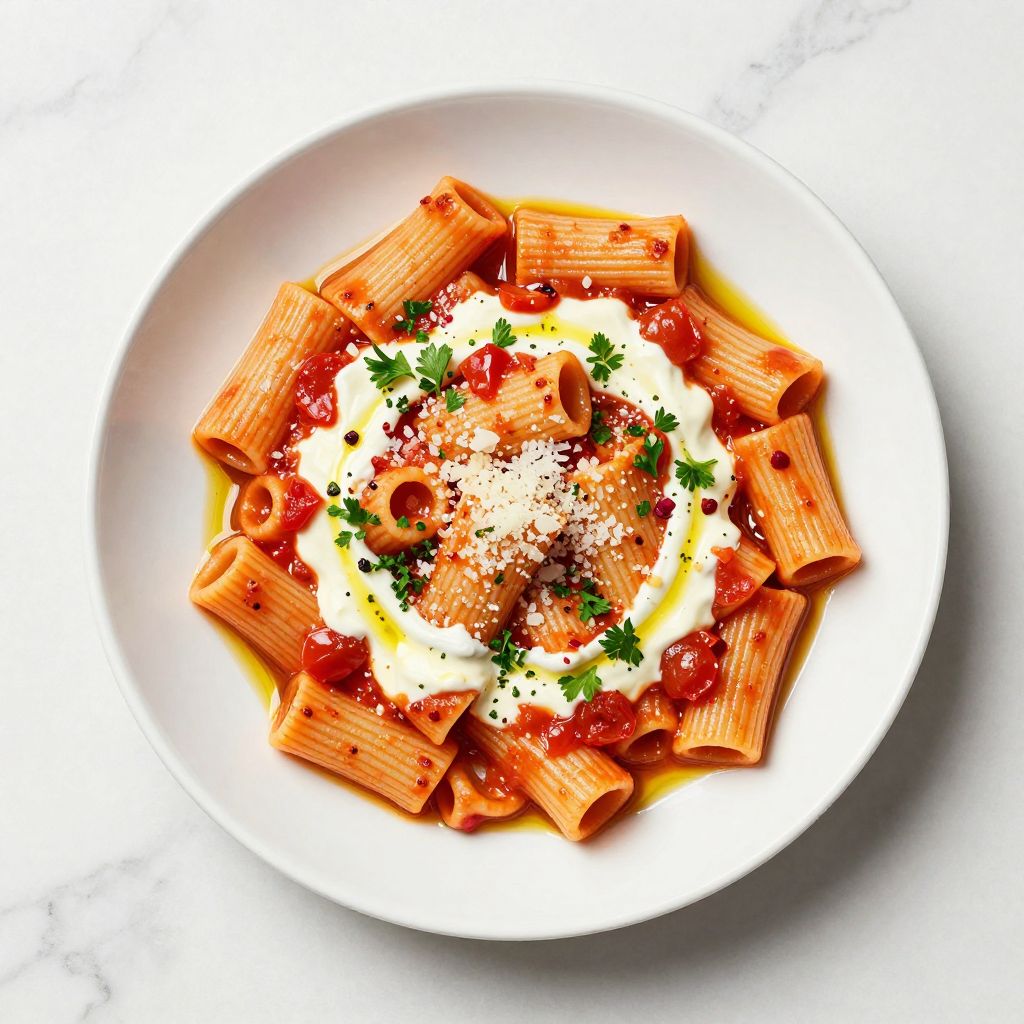
Picture this: you’re at a bustling Roman trattoria, fork twirling rigatoni coated in a fiery red sauce that makes your lips tingle and your eyes water in the best way possible. Carbone Spicy Rigatoni captures that exact moment of culinary bliss and brings it straight to your kitchen.
This dish has become the go-to for anyone craving bold, unapologetic flavor without spending hours in the kitchen. The beauty lies in its simplicity: quality ingredients, proper technique, and heat that builds rather than overwhelms.
What sets this recipe apart is the balance between creamy richness and fiery spice, plus the way the sauce clings to every ridge of the rigatoni. You’ll find yourself making this again within weeks because it’s that satisfying, that impressive, and honestly, that addictive.
Why You’ll Love This Recipe
This recipe delivers restaurant-quality results in under 30 minutes, making it perfect for weeknight dinners or impressive entertaining. The combination of heat, richness, and fresh flavors keeps your palate engaged from first bite to last.
- Ready in 25 minutes from start to finish
- Uses pantry staples and minimal fresh ingredients
- Customizable heat level to match your spice tolerance
- Feeds four to six people with one pot of sauce
- Leftovers taste even better the next day
My Experience Making This Recipe
I first attempted this dish after a friend raved about a bowl she’d had at Carbone in New York City. The description sounded ambitious, so I was skeptical I could replicate it at home.
My first batch was too timid on the heat and lacked depth. I experimented by doubling the red pepper flakes, adding quality butter at the end, and finishing with fresh parsley.
The results were stunning: a silky, spicy sauce that coated each rigatoni tube perfectly. My dinner guests asked for the recipe three times that night, which told me I’d nailed it.
Recipe Overview
- Recipe Name: Carbone Spicy Rigatoni
- Servings: 4 to 6
- Prep Time: 10 minutes
- Cook Time: 15 minutes
- Total Time: 25 minutes
- Course: Main Course
- Cuisine: Italian-American
- Calories per Serving: 485
Equipment You Will Need
- Large pot for pasta water
- Colander for draining pasta
- Large skillet or saucepan
- Wooden spoon for stirring
- Measuring spoons and cups
- Garlic mincer or knife
- Cheese grater
- Tongs for tossing pasta
Ingredients for Carbone Spicy Rigatoni
- 1 pound rigatoni pasta
- 6 tablespoons unsalted butter
- 8 cloves garlic, minced
- 2 tablespoons red pepper flakes
- 1 can (28 ounces) crushed San Marzano tomatoes
- 1/2 cup heavy cream
- 2 teaspoons kosher salt
- 1 teaspoon black pepper
- 1/2 cup freshly grated Pecorino Romano cheese
- 1/4 cup fresh Italian parsley, chopped
- 2 tablespoons extra virgin olive oil
Ingredient Notes and Substitutions
- San Marzano tomatoes bring sweetness and low acidity that commercial varieties lack. If unavailable, use high-quality crushed tomatoes from Italy, though the flavor profile will shift slightly toward brightness.
- Unsalted butter gives you complete control over seasoning and lets the tomatoes shine. Salted butter works but reduce the added salt to one teaspoon.
- Red pepper flakes deliver consistent heat and flavor that fresh chilis can’t match here. For milder heat, reduce to one tablespoon; for fire, go up to three.
- Pecorino Romano adds sharp, salty bite that Parmigiano-Reggiano softens slightly. You can use a blend of both, though the dish loses some edge.
- Heavy cream creates the silky texture that balances spice and acidity. Half and half works but produces a thinner sauce; skip it entirely for a lighter version that stays more tomato-forward.
How to Make Carbone Spicy Rigatoni
Step 1: Salt and Boil Your Water
Fill a large pot with six quarts of water and bring it to a rolling boil over high heat. Add two tablespoons of kosher salt to the water once it boils, stirring to dissolve it completely.
Salted pasta water seasons the rigatoni from the inside out, which builds flavor throughout the dish. Undersalted water means bland pasta that no sauce can fully rescue.
Step 2: Cook the Rigatoni
Add the rigatoni to the boiling water and stir immediately to prevent sticking. Cook according to package directions, usually eight to ten minutes, until the pasta reaches al dente texture.
Al dente pasta holds its shape and texture when tossed with sauce rather than turning mushy. Reserve one cup of pasta water before draining; you’ll need it to adjust sauce consistency later.
Step 3: Melt Butter and Toast Garlic
While the pasta cooks, melt six tablespoons of butter in a large skillet over medium heat. Add the minced garlic and cook for one minute, stirring constantly, until fragrant but not browned.
Raw garlic tastes sharp and unpleasant; a quick toast mellows it and releases its sweet, nutty side. Burned garlic turns bitter and ruins the entire sauce, so watch the heat closely.
Step 4: Add Red Pepper Flakes and Toast
Sprinkle the red pepper flakes into the garlic and butter, stirring constantly for 30 seconds. This toasting step blooms the spice and distributes it evenly throughout the fat, preventing heat from concentrating in one spot.
Skipping this step means you’ll bite into pockets of intense heat followed by mild areas. Toasting creates a unified, layered burn that builds on your palate rather than shocking it.
Step 5: Add Tomatoes and Simmer
Pour the can of crushed San Marzano tomatoes into the skillet, stirring to combine with the butter and spices. Reduce the heat to medium-low and let the sauce simmer gently for five minutes, stirring occasionally.
Simmering time allows the tomato acidity to mellow and flavors to meld together. Five minutes is enough without reducing the sauce too much and concentrating the heat further.
Step 6: Season the Sauce
Taste the sauce and add two teaspoons of kosher salt and one teaspoon of black pepper. Stir well and taste again, adjusting salt and pepper to your preference before adding cream.
Seasoning now prevents having to overdo it later when the cream dilutes the flavors slightly. Trust your palate; you know your tolerance for salt and spice better than any recipe can.
Step 7: Add Heavy Cream and Finish the Sauce
Pour in the heavy cream slowly while stirring constantly to incorporate it smoothly without curdling. Let the sauce simmer for two more minutes, allowing the cream to marry with the tomatoes and spice.
Adding cream too quickly or at too high a temperature can cause it to break and separate. A gentle simmer keeps everything emulsified and silky smooth.
Step 8: Combine Pasta and Sauce
Add the drained rigatoni directly to the skillet with the sauce, tossing constantly with tongs for one to two minutes. If the sauce seems too thick, add pasta water one tablespoon at a time until you reach the desired consistency.
Tossing in the skillet allows the pasta to absorb sauce and flavors rather than sitting separately on a plate. The starch from the pasta water helps the sauce cling to each tube.
Step 9: Finish with Cheese and Parsley
Remove the skillet from heat and add the grated Pecorino Romano cheese and fresh chopped parsley, tossing gently one more time. Drizzle the extra virgin olive oil over the top for a final glossy finish.
Fresh parsley adds brightness and cuts through the richness, while the final olive oil creates visual appeal and adds a fruity note. These finishing touches elevate the dish from good to unforgettable.
Pro Tip: Make sure your pasta water is salty enough to taste like seawater before cooking the rigatoni; this single step prevents bland, underseasoned pasta that no sauce can fully fix.
Tips for the Best Carbone Spicy Rigatoni
- Use San Marzano tomatoes specifically; their low acidity and natural sweetness create a superior sauce that tastes restaurant-quality. Skip the budget cans and invest in a good Italian brand.
- Don’t skip reserving pasta water before draining. This starchy liquid is liquid gold for adjusting sauce consistency and helps everything come together seamlessly.
- Grate your Pecorino Romano fresh rather than using pre-grated cheese; pre-grated versions contain anti-caking agents that prevent smooth melting and proper emulsification.
- Keep the heat at medium-low once the tomatoes go in. High heat can break the cream and cause the sauce to become grainy and separated.
- Serve immediately after combining pasta and sauce. Letting it sit causes the rigatoni to absorb all the liquid and become dense rather than glossy and coated.
- Taste and adjust heat at the very end; red pepper flakes continue releasing flavor as the dish cools, and you might find it’s spicier than you initially thought.
Common Mistakes to Avoid
- Using jarred minced garlic or powdered garlic instead of fresh cloves results in a flat, chemical taste that overshadows everything else. Fresh garlic takes two minutes to mince and makes all the difference.
- Adding cream to a sauce that’s too hot can cause it to curdle and break into separated, grainy bits. Lower the heat before adding cream and stir constantly.
- Overcooking the pasta leaves you with mushy rigatoni that falls apart during tossing and turns into mush in the sauce. Set a timer and check for doneness one minute before the package suggests.
- Using low-quality butter results in a sauce that tastes flat and lacks the rich, creamy mouthfeel that defines this dish. Splurge on good unsalted butter here; it’s worth it.
- Forgetting to reserve pasta water before draining means you can’t adjust sauce consistency if it becomes too thick. This water is your safety net for texture.
Serving Suggestions
This dish shines on its own but pairs beautifully with simple sides that don’t compete with the bold flavors. Think fresh, bright, and minimal to let the rigatoni be the star.
- Crisp arugula salad with lemon vinaigrette cuts through richness and provides textural contrast
- Crusty garlic bread for soaking up every last drop of sauce from the plate
- Roasted broccoli or broccolini adds a mild vegetable element without overwhelming the palate
- A dry white wine like Pinot Grigio or Vermentino complements the spice and acidity perfectly
- Fresh mozzarella on the side offers creamy richness that balances the heat beautifully
Variations to Try
- Add crispy pancetta or guanciale to the butter before cooking garlic for a smoky, salty depth that transforms the dish. The rendered fat adds richness that elevates everything.
- Stir in fresh basil at the very end instead of or alongside parsley for a more herbaceous, fragrant finish. Basil shifts the flavor profile toward brighter, more summery notes.
- Use vodka rigatoni style by adding two tablespoons of vodka to the tomato sauce and letting it simmer for two minutes before adding cream. The vodka amplifies tomato flavor and adds subtle complexity.
- Make it spicy seafood rigatoni by adding peeled shrimp or scallops during the last two minutes of cooking the sauce. Seafood absorbs the spicy, creamy sauce beautifully without overpowering it.
- Swap half the heavy cream for mascarpone for a thicker, more luxurious sauce with subtle sweetness. Whisk the mascarpone into the warm sauce off heat to prevent breaking.
Dietary Adaptations
- Gluten-Free: Use gluten-free rigatoni made from rice, corn, or legumes; the sauce and technique remain identical. Note that legume-based pastas absorb more liquid, so watch consistency carefully.
- Dairy-Free: Replace butter with olive oil and heavy cream with full-fat coconut milk or cashew cream; omit Pecorino and finish with nutritional yeast. The sauce becomes lighter but still delivers flavor and richness.
- Vegan: Use dairy-free butter, coconut milk or oat cream, vegan rigatoni, and skip the cheese entirely or use nutritional yeast for a savory note. The heat and garlic flavors shine through without animal products.
- Low-Carb/Keto: Swap rigatoni for zucchini noodles or shirataki noodles and increase the sauce by half to coat them properly. The sauce itself is already very low-carb.
Storage and Reheating
Refrigerator
Store leftovers in an airtight container for up to three days. The flavors actually intensify as the dish sits, making day-two leftovers often better than the original.
- Let cooked pasta cool to room temperature before sealing to prevent condensation
- Store sauce and pasta together to prevent the pasta from drying out
Freezer
This dish freezes beautifully for up to two months if you skip adding fresh parsley and cheese until reheating. Freeze in individual portions for easy weeknight reheating.
- Cool completely before freezing in freezer-safe containers
- Leave a half-inch of headspace for expansion
- Label with the date so you remember when you made it
Reheating
Thaw frozen portions overnight in the refrigerator, then reheat gently on the stovetop or microwave. Add a splash of pasta water or cream if the sauce has thickened too much during storage.
- Stovetop: Heat in a skillet over medium-low heat for three to five minutes, stirring occasionally
- Microwave: Heat in thirty-second increments, stirring between each, to prevent overheating
- Always add fresh parsley and a grating of Pecorino after reheating for brightness
Nutrition Information
| Nutrient | Amount |
|---|---|
| Calories | 485 |
| Total Fat | 18g |
| Saturated Fat | 11g |
| Carbohydrates | 64g |
| Fiber | 3g |
| Sugar | 7g |
| Protein | 15g |
| Sodium | 720mg |
| Cholesterol | 45mg |
These values are approximate and calculated based on standard USDA nutrition data for the ingredients listed. Individual portions may vary based on how much sauce you use and whether you’ve adjusted seasonings or substituted ingredients.
Frequently Asked Questions
Can I use fresh tomatoes instead of canned?
Fresh tomatoes work, but you’ll need about three pounds of ripe ones, peeled, seeded, and chopped, then simmered for ten minutes to break down. Canned tomatoes deliver more consistent flavor and are actually superior for this dish year-round.
How do I make this less spicy?
Start with one tablespoon of red pepper flakes instead of two, then taste before adding more. You can always add heat, but you can’t take it out once it’s in the sauce.
Can I prepare this ahead of time?
Cook the sauce up to two days in advance and store it separately from the pasta. Cook the rigatoni fresh when you’re.ready to serve, then warm the sauce and combine them together.
Why does my cream sauce look grainy?
This happens when cream is added to sauce that’s too hot or when it’s cooked at too high a temperature after adding. Reduce heat to medium-low before adding cream and stir constantly, keeping the mixture at a gentle simmer rather than a boil.
Can I use Parmigiano-Reggiano instead of Pecorino Romano?
Yes, though the final flavor shifts from sharp and salty toward buttery and mild. A blend of both cheeses gives you the best of both worlds if you have them on hand.
What if I don’t have fresh parsley?
Fresh basil works beautifully as a substitute, as does a combination of chives and fresh tarragon. Skip fresh herbs entirely and the dish still tastes fantastic, though you lose the final brightness.
How many people does this serve?
This recipe generously serves four as a main course or six as part
Carbone Spicy Rigatoni
A fiery, creamy Italian-American pasta dish featuring rigatoni coated in a rich tomato-cream sauce with garlic, butter, and red pepper flakes. This restaurant-quality recipe delivers bold, unapologetic flavor in under 30 minutes.
- Large pot for pasta water
- Colander for draining pasta
- Large skillet or saucepan
- Wooden spoon for stirring
- Measuring spoons and cups
- Garlic mincer or knife
- Cheese grater
- Tongs for tossing pasta
Main
- 1 pound rigatoni pasta
- 6 tablespoons unsalted butter
- 8 cloves garlic (minced)
- 2 tablespoons red pepper flakes
- 1 can (28 ounces crushed San Marzano tomatoes)
- 1/2 cup heavy cream
- 2 teaspoons kosher salt
- 1 teaspoon black pepper
- 1/2 cup freshly grated Pecorino Romano cheese
- 1/4 cup fresh Italian parsley (chopped)
- 2 tablespoons extra virgin olive oil
- 2 tablespoons kosher salt for pasta water
- Fill a large pot with six quarts of water and bring it to a rolling boil over high heat. Add two tablespoons of kosher salt to the water once it boils, stirring to dissolve it completely.
- Add the rigatoni to the boiling water and stir immediately to prevent sticking. Cook according to package directions, usually 8 to 10 minutes, until the pasta reaches al dente texture. Reserve one cup of pasta water before draining.
- While the pasta cooks, melt 6 tablespoons of butter in a large skillet over medium heat. Add the minced garlic and cook for 1 minute, stirring constantly, until fragrant but not browned.
- Sprinkle the red pepper flakes into the garlic and butter, stirring constantly for 30 seconds to toast the spices.
- Pour the can of crushed San Marzano tomatoes into the skillet, stirring to combine with the butter and spices. Reduce the heat to medium-low and let the sauce simmer gently for 5 minutes, stirring occasionally.
- Taste the sauce and add 2 teaspoons of kosher salt and 1 teaspoon of black pepper. Stir well and taste again, adjusting salt and pepper to your preference.
- Pour in the heavy cream slowly while stirring constantly to incorporate it smoothly. Let the sauce simmer for 2 more minutes at medium-low heat.
- Add the drained rigatoni directly to the skillet with the sauce, tossing constantly with tongs for 1 to 2 minutes. If the sauce seems too thick, add reserved pasta water one tablespoon at a time until you reach the desired consistency.
- Remove the skillet from heat and add the grated Pecorino Romano cheese and fresh chopped parsley, tossing gently. Drizzle the extra virgin olive oil over the top for a final glossy finish. Serve immediately.
Make sure your pasta water is salty enough to taste like seawater before cooking the rigatoni. Use San Marzano tomatoes specifically for their low acidity and natural sweetness. For milder heat, reduce red pepper flakes to 1 tablespoon; for more fire, increase to 3 tablespoons. Leftovers can be stored in an airtight container in the refrigerator for up to 3 days or frozen for up to 2 months.