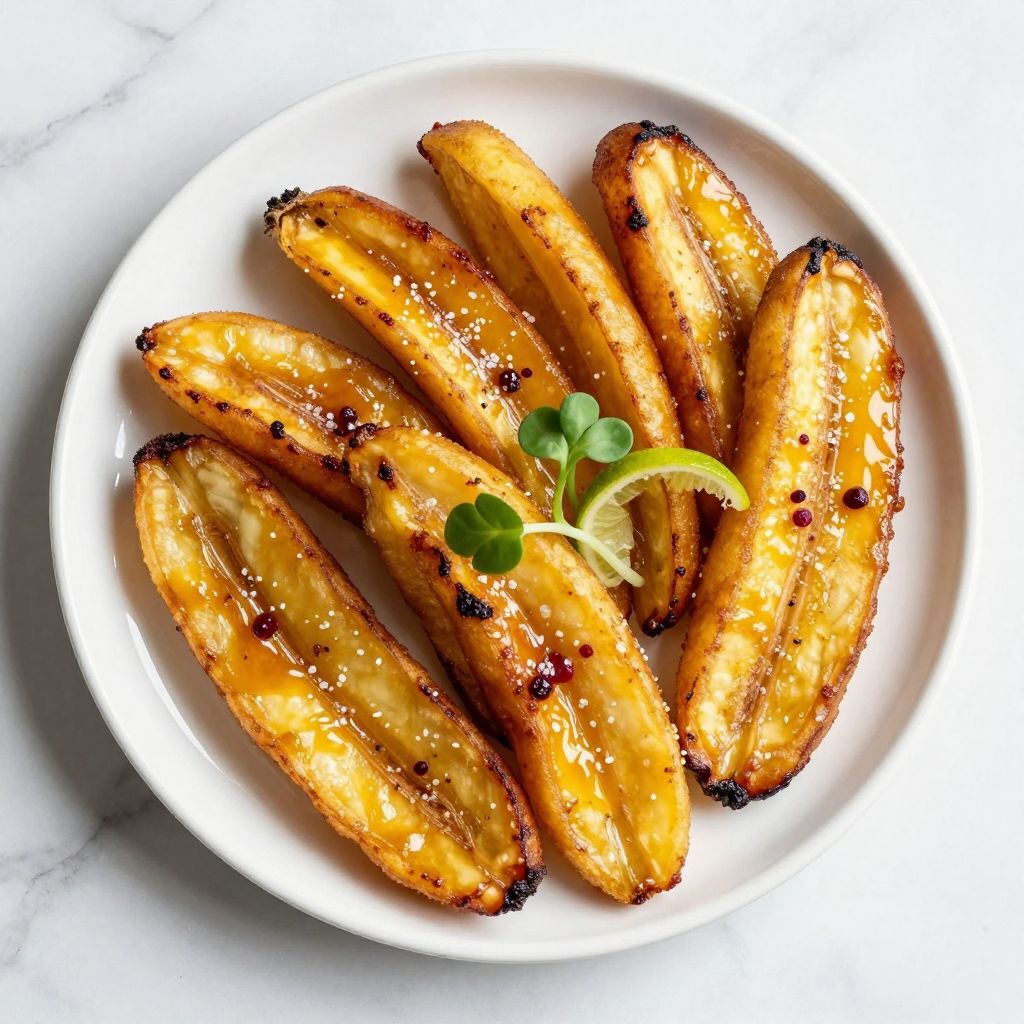
There’s something magical about the sizzle of ripe plantains hitting a hot skillet, filling your kitchen with a caramelized sweetness that instantly transports you somewhere tropical.
Fried Plantains are a beloved staple across Caribbean, Latin American, and African cuisines, and for good reason: they’re crispy on the outside, creamy on the inside, and require just a handful of ingredients and minimal time. Whether you’re serving them as a side dish, snack, or dessert, these golden-brown slices deliver comfort and flavor in every bite.
This recipe walks you through the simple technique to achieve perfect caramelization and that irresistible contrast in texture.
Why You’ll Love This Recipe
Fried plantains are foolproof once you understand the timing, and they transform your dinner table with almost no effort.
- Ready in under 20 minutes from start to finish
- Requires only five basic ingredients and one pan
- Works as a side, snack, appetizer, or light dessert
- Naturally gluten-free and vegan-friendly
- Impresses guests without fussy plating or complicated techniques
My Experience Making This Recipe
The first time I made fried plantains, I misjudged the ripeness and grabbed a yellow one instead of a spotted one. The result was a starchy, less-sweet version that tasted fine but missed that caramelized depth I remembered from Caribbean restaurants.
Once I switched to using very ripe plantains with golden-brown skin and blackened edges, everything changed. The slices caramelized beautifully in the pan, developing a crispy exterior while the inside turned soft and almost custardy.
My family now requests them weekly, and I’ve learned to double the batch because they disappear faster than I can fry them. The smell alone is worth making these again and again.
Recipe Overview
- Recipe Name: Fried Plantains
- Servings: 4 as a side dish
- Prep Time: 5 minutes
- Cook Time: 12 minutes
- Total Time: 17 minutes
- Course: Side Dish or Snack
- Cuisine: Caribbean and Latin American
- Calories per Serving: 145 calories
Equipment You Will Need
- Large shallow plate or cutting board
- Sharp knife
- Large skillet or frying pan
- Wooden spoon or tongs
- Paper towels
- Measuring spoons
Ingredients for Fried Plantains
- 3 ripe plantains (golden-yellow with dark spots on the skin)
- 3 tablespoons vegetable oil or coconut oil
- 1/2 teaspoon sea salt
- 1/4 teaspoon ground cinnamon (optional but recommended)
- Pinch of cayenne pepper (optional for a subtle heat)
Ingredient Notes and Substitutions
- Ripe plantains: You need deeply spotted, almost-black plantains for natural sweetness and soft texture when fried. Green or yellow plantains are starchy and won’t caramelize properly; if you prefer that texture, use them intentionally and expect a savory rather than sweet result.
- Vegetable oil: Use any neutral oil with a high smoke point like canola or avocado oil. Coconut oil adds a subtle tropical flavor but may brown faster, so watch the heat carefully.
- Sea salt: Regular table salt works, but sea salt dissolves more evenly and tastes cleaner. Use 1/4 teaspoon if you prefer less salt.
- Cinnamon: This spice brings warmth and depth without overpowering the plantain’s natural flavor. Skip it entirely if you’re serving these as a pure savory side.
- Cayenne pepper: A pinch adds a gentle warmth that complements the sweetness beautifully. Omit it if you want a completely sweet profile.
How to Make Fried Plantains
Step 1: Select and Prepare the Plantains
Choose plantains with golden-yellow skin heavily speckled with dark brown or black spots. Ripe plantains have skin that gives slightly when you press it, just like a ripe banana, and this ripeness ensures they’ll caramelize and soften properly in the pan.
Rinse them under cool water and pat dry with paper towels. Drying them prevents oil splatter when they hit the hot skillet.
Step 2: Peel the Plantains
Cut off both ends of each plantain with a sharp knife. Unlike bananas, plantain skin is thick and won’t peel away easily, so you’ll need to make shallow lengthwise cuts through the skin without cutting into the flesh.
Make 3 or 4 lengthwise cuts along the plantain, then use your fingers to peel back the skin sections. The skin should come away in strips once you’ve loosened the edges.
Step 3: Slice the Plantains
On a clean cutting board, slice the peeled plantains diagonally into pieces about 1/4 inch thick. Diagonal cuts increase surface area and help them caramelize faster than straight cuts.
Lay the slices flat on paper towels for a moment if they’re wet. Any excess moisture will interfere with the caramelization and create steam instead of a golden crust.
Step 4: Heat the Oil
Place a large skillet over medium-high heat and add the oil. Let it warm for about 2 minutes until it shimmers and moves easily across the pan.
The skillet must be hot enough that the plantain slices sizzle immediately when they touch the oil. If the pan isn’t hot enough, they’ll absorb too much oil and become greasy instead of crispy.
Step 5: Fry the First Batch
Carefully place the plantain slices in the hot oil in a single layer. Don’t overcrowd the pan; work in batches so each slice has direct contact with the heat.
Let them cook undisturbed for 3 to 4 minutes until the bottom turns golden brown and develops a caramelized edge. Resist the urge to move them around; patience here is what creates that beautiful crust.
Step 6: Flip and Cook the Other Side
Using tongs or a wooden spoon, flip each slice carefully and cook the other side for another 3 to 4 minutes. The second side will brown a bit faster than the first since the plantain is already warm inside.
You’re looking for a consistent golden-brown color on both sides, almost like a caramelized finish rather than a deep fry.
Step 7: Drain on Paper Towels
Transfer the cooked plantain slices to a plate lined with paper towels. The paper absorbs excess oil and keeps them from becoming soggy as they cool slightly.
Work quickly with the remaining batches while the oil stays at temperature. Cold oil in the skillet will cool down if you take too long between batches, so don’t hesitate.
Step 8: Season Immediately
While the plantains are still warm, sprinkle them evenly with sea salt, cinnamon, and cayenne pepper if using. Seasoning them while hot helps the flavors adhere and distributes them more evenly than seasoning after they cool.
Toss gently to coat, then taste one and adjust the seasoning if needed. You can always add more salt, but you can’t take it back.
Pro Tip: The key to perfect fried plantains is using plantains that are ripe enough to taste sweet but firm enough to hold their shape. Test ripeness by gently squeezing the plantain near the middle; it should give just slightly under pressure.
Tips for the Best Fried Plantains
- Use coconut oil for a subtle tropical flavor that pairs beautifully with the natural sweetness of ripe plantains. The flavor connection is real, though neutral oils work perfectly fine too.
- Slice plantains on the diagonal rather than straight across to maximize the golden surface area that caramelizes and creates texture contrast.
- Don’t skip the paper towels after frying; they’re the difference between crispy plantains and greasy ones sitting in pools of oil.
- If your plantains start browning too fast before softening inside, lower the heat slightly for the remaining batches. Each skillet and stove is different, so adjust based on what you see.
- Serve fried plantains within 15 minutes of cooking while the exterior is still crispy. They stay decent at room temperature but lose their textural magic if stored in an airtight container.
- Make extra and let them cool completely before freezing; they reheat beautifully in a 350-degree oven for about 5 minutes.
Common Mistakes to Avoid
- Using green or barely-yellow plantains will yield starchy, bland results that lack sweetness and won’t caramelize properly. Save green plantains for savory tostones, which are a completely different dish.
- Crowding the skillet with too many slices at once drops the oil temperature and causes them to steam instead of fry. Work in single-layer batches even if it takes longer.
- Flipping them too early prevents the caramelized crust from forming. Give them at least 3 minutes on each side without poking or moving them around.
- Storing them in sealed containers while still warm traps steam and turns the crispy exterior soft and soggy. Cool them completely on an open plate first.
- Using oil that’s not hot enough creates greasy, heavy plantains instead of the light, caramelized version you’re after. The skillet must shimmer and sizzle when the plantains hit it.
Serving Suggestions
Fried plantains work equally well as a standalone snack, a restaurant-quality side dish, or even a simple dessert. Think beyond the plate and consider what flavors and textures you’re building around them.
- Serve alongside black beans and rice for a complete Caribbean-inspired meal with protein and carbs
- Pair with spicy grilled chicken or fish to balance heat with sweetness
- Top with a dollop of sour cream or crema for a tangy contrast that cuts through richness
- Arrange on a dessert plate with whipped coconut cream and a sprinkle of toasted coconut for an unexpected finish
- Eat plain as a snack or light breakfast item with your morning coffee
Variations to Try
- Savory Plantains: Use yellow (not fully ripe) plantains and skip the cinnamon and cayenne, adding garlic powder and smoked paprika instead for a savory profile that pairs perfectly with beans and rice.
- Cinnamon Sugar Plantains: Toss finished plantains in a mixture of 2 tablespoons sugar and 1 teaspoon cinnamon for a dessert-level sweetness that feels indulgent without being heavy.
- Spicy Plantains: Double the cayenne or add 1/4 teaspoon of red pepper flakes to the seasoning mix for a noticeable heat that builds as you eat.
- Lime Herb Plantains: Finish with fresh lime juice and chopped cilantro for brightness and a Latin American twist that feels refreshing alongside rich entrees.
- Coconut Crusted Plantains: Dredge peeled, sliced plantains in shredded coconut before frying for extra texture and tropical flavor that sticks around long after you finish eating.
Dietary Adaptations
- Gluten-free: This recipe is naturally gluten-free as written with no grain products involved. Verify that any seasonings you use haven’t been cross-contaminated in their facilities.
- Dairy-free: Already dairy-free as written since no butter, cream, or milk appears in the ingredient list. Enjoy without modifications.
- Vegan: The recipe is vegan using vegetable or coconut oil. Be mindful if serving alongside traditional accompaniments; verify those separately.
- Low-carb or keto: Plantains are naturally high in carbs, so this dish doesn’t fit low-carb eating. Consider zucchini fries or eggplant slices as keto-friendly alternatives instead.
Storage and Reheating
Refrigerator
Store cooled fried plantains in an airtight container for up to 3 days. They’ll lose some crispness over time as they absorb moisture from the air, but they’re still perfectly good.
- Keep them in a single layer if possible to prevent sticking and preserve texture
- Don’t store them in sealed containers while warm, as condensation will make them soggy
Freezer
Fried plantains freeze beautifully for up to 2 months when stored properly. Cool them completely first, then layer them between parchment paper in a freezer bag to prevent sticking.
- Thaw at room temperature for 20 minutes before reheating
- No need to thaw fully; you can reheat from frozen, though it takes a few minutes longer
Reheating
The oven is your best friend for bringing back crispness to stored plantains. Skip the microwave, which turns them mushy and defeats the purpose of enjoying that textural contrast.
- Preheat your oven to 350 degrees and arrange plantains on a baking sheet in a single layer
- Bake for 5 to 8 minutes until they’re warm and the exterior re-crisps slightly
- For a skillet reheat, use medium heat with just a teaspoon of oil and cook for 2 minutes per side
Nutrition Information
| Nutrient | Amount |
|---|---|
| Calories | 145 |
| Total Fat | 10g |
| Saturated Fat | 1.5g |
| Carbohydrates | 16g |
| Fiber | 2g |
| Sugar | 8g |
| Protein | 1g |
| Sodium | 280mg |
| Cholesterol | 0mg |
Nutrition values are estimates calculated using standard USDA data for ripe plantains and vegetable oil. Your actual nutrition may vary based on the specific plantains used and exact oil absorption during frying.
Frequently Asked Questions
Can I use green plantains instead of ripe ones?
You can, but the result will be completely different: starchy, savory, and less sweet. Green plantains are actually better suited to a dish called tostones, which are double-fried and flattened; they won’t caramelize like ripe plantains do.
How far ahead can I prepare plantains?
You can peel and slice plantains up to 4 hours ahead if you keep them in a sealed container with a damp paper towel to prevent browning. Frying them fresh gives the best results, but prepped plantains still cook beautifully when you’re ready.
What’s the best oil to use for frying?
Vegetable, canola, and avocado oil all work beautifully with high smoke points and neutral flavors. Coconut oil adds tropical flavor but burns more easily, so monitor the heat carefully if you choose it.
Why are my plantains coming out greasy?
Greasiness usually means the oil wasn’t hot enough when you added them, causing them to absorb oil instead of searing. Ensure your skillet is shimmer-hot and avoid crowding the pan, which drops the temperature.
Can I bake these instead of frying?
You can bake plantain slices at 400 degrees for 15 to 20 minutes if you brush them lightly with oil first. Baking won’t create the same caramelized crust that frying does, but they’ll still be tasty and healthier if you’re avoiding deep-frying.
Final Thoughts
Fried plantains prove that some of the best foods come from the simplest methods and fewest ingredients. Once you nail the technique of proper ripeness and hot oil, you’ll find yourself making them far more often than expected.
Try this recipe this week and taste the difference that ripe plantains and patience make in the skillet. You’ll understand why so many cultures have embraced this humble fruit as a cornerstone of their kitchens.
Fried Plantains
Golden-brown fried plantains with crispy edges and a creamy interior, ready in under 20 minutes. This Caribbean and Latin American staple requires just five ingredients and delivers caramelized sweetness in every bite.
- Large shallow plate or cutting board
- Sharp knife
- Large skillet or frying pan
- Wooden spoon or tongs
- Paper towels
- Measuring spoons
Main
- 3 ripe plantains (golden-yellow with dark spots on the skin)
- 3 tablespoons vegetable oil or coconut oil
- 1/2 teaspoon sea salt
- 1/4 teaspoon ground cinnamon (optional but recommended)
- Pinch of cayenne pepper (optional for a subtle heat)
- Choose plantains with golden-yellow skin heavily speckled with dark brown or black spots. Rinse them under cool water and pat dry with paper towels.
- Cut off both ends of each plantain with a sharp knife. Make 3 or 4 shallow lengthwise cuts through the skin without cutting into the flesh, then use your fingers to peel back the skin sections in strips.
- On a clean cutting board, slice the peeled plantains diagonally into pieces about 1/4 inch thick. Lay the slices flat on paper towels if they’re wet to remove excess moisture.
- Place a large skillet over medium-high heat and add the oil. Let it warm for about 2 minutes until it shimmers and moves easily across the pan.
- Carefully place the plantain slices in the hot oil in a single layer without overcrowding the pan. Let them cook undisturbed for 3 to 4 minutes until the bottom turns golden brown and develops a caramelized edge.
- Using tongs or a wooden spoon, flip each slice carefully and cook the other side for another 3 to 4 minutes until golden brown and caramelized.
- Transfer the cooked plantain slices to a plate lined with paper towels to absorb excess oil. Work in batches with remaining slices if needed.
- While the plantains are still warm, sprinkle them evenly with sea salt, cinnamon, and cayenne pepper if using. Toss gently to coat and adjust seasoning to taste.
Serve fried plantains within 15 minutes of cooking while the exterior is still crispy. Store cooled plantains in an airtight container for up to 3 days in the refrigerator, or freeze for up to 2 months. Reheat in a 350°F oven for 5 to 8 minutes to restore crispness. The key to perfect fried plantains is using plantains that are ripe enough to taste sweet but firm enough to hold their shape.