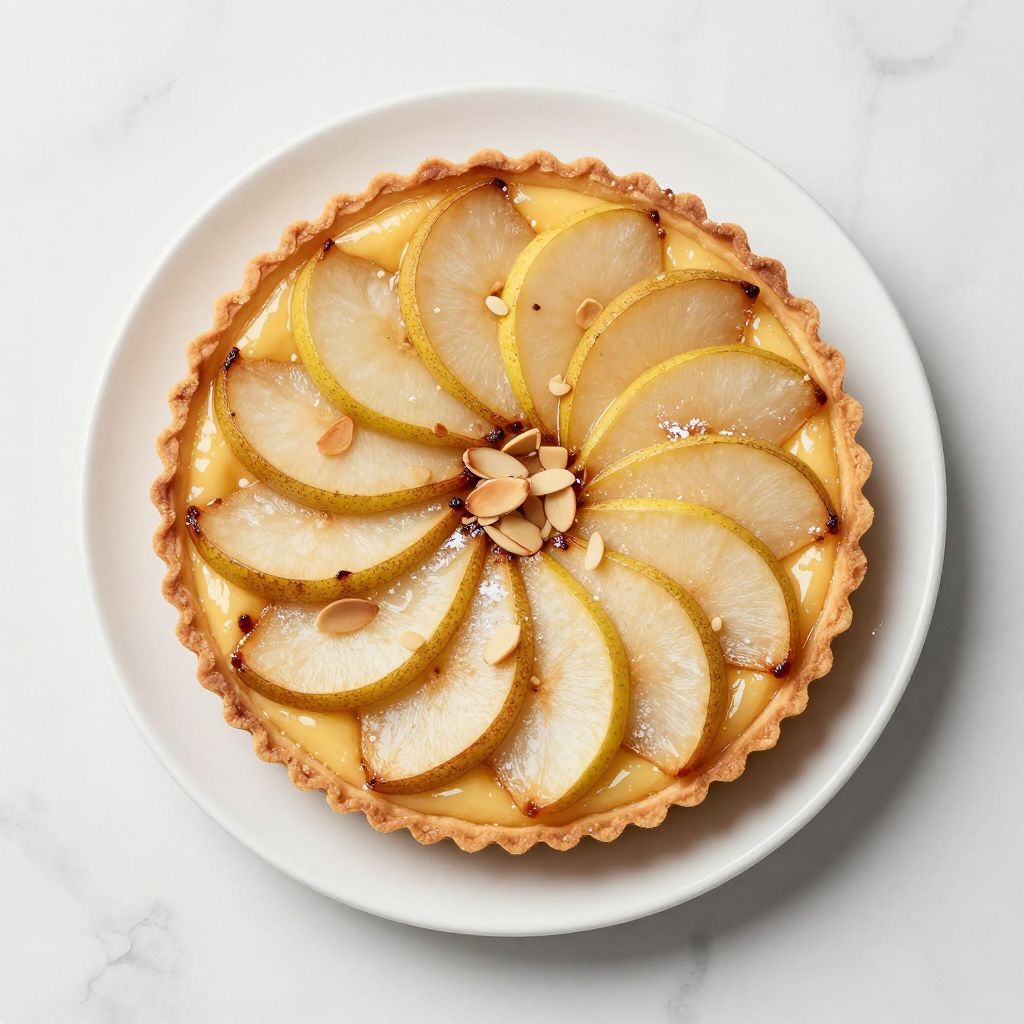
The first time I caught the scent of almond cream baking in the oven, I knew I had stumbled onto something truly special. Frangipane is that magical almond filling you find tucked inside French pastries, fruit tarts, and croissants, and once you learn how to make it, your baking game transforms completely.
This silky, nutty cream takes just minutes to whip together and delivers a rich, marzipan-like flavor that pairs beautifully with stone fruits, berries, and puff pastry. The texture strikes the perfect balance between dense and light, creating a custardy center that holds its shape while staying wonderfully moist.
Best of all, you can make it ahead and keep it in the fridge for whenever inspiration strikes. Let me show you exactly how to master this classic French filling.
Why You’ll Love This Recipe
This frangipane comes together faster than you can preheat your oven, and the results taste like something from a Parisian patisserie. The technique is straightforward enough for beginners but delivers professional-level flavor that will impress anyone who tastes it.
- Ready in under 10 minutes of active work with just six simple ingredients
- Makes enough filling for multiple tarts or a dozen pastries
- Stores beautifully in the fridge for up to a week or freezer for three months
- Incredibly versatile for everything from galettes to stuffed croissants
- That intoxicating almond aroma fills your kitchen as it bakes
My Experience Making This Recipe
I made this frangipane on a Sunday afternoon when I had some overripe pears begging to be used. The entire process felt almost therapeutic, creaming the butter and sugar until pale and fluffy, then watching the mixture transform as I folded in the ground almonds.
The batter looked thick and rich, clinging to my spatula with just the right consistency. When I spread it into my tart shell and arranged those pear slices on top, I could already picture the golden, puffed result.
As it baked, my apartment filled with the most incredible nutty sweetness that had my neighbor texting to ask what I was making. The finished tart had that signature dome, slightly crisp on top with a soft, almost creamy center that made everyone reach for seconds.
Recipe Overview
- Recipe Name: Classic Frangipane
- Servings: Makes about 2 cups (enough for one 9-inch tart or 12 pastries)
- Prep Time: 10 minutes
- Cook Time: 25-30 minutes (when baked in a tart)
- Total Time: 35-40 minutes
- Course: Filling, Component
- Cuisine: French
- Calories per Serving: 180 calories (based on 1/8 of recipe)
Equipment You Will Need
- Stand mixer or hand mixer
- Large mixing bowl
- Rubber spatula
- Measuring cups and spoons
- Food processor (if grinding whole almonds)
- Offset spatula for spreading
Ingredients for Classic Frangipane
- 1/2 cup (115g) unsalted butter, softened to room temperature
- 1/2 cup (100g) granulated sugar
- 2 large eggs, at room temperature
- 1 1/4 cups (125g) almond flour or finely ground almonds
- 2 tablespoons all-purpose flour
- 1 teaspoon vanilla extract
- 1/4 teaspoon almond extract (optional but recommended)
- Pinch of salt
Ingredient Notes and Substitutions
- Unsalted butter: Creates the rich, creamy base and carries the almond flavor beautifully. You can use salted butter but skip the added pinch of salt.
- Almond flour: Gives frangipane its signature nutty taste and tender texture. Hazelnut flour works as a substitute for a nuttier, earthier flavor profile.
- Granulated sugar: Sweetens and helps create structure when creamed with butter. Superfine sugar dissolves more easily if you have it on hand.
- All-purpose flour: Provides just enough structure to prevent the filling from being too dense. Omit for a gluten-free version, though the texture will be slightly more delicate.
- Almond extract: Amplifies the almond flavor without being overwhelming. Skip it if you prefer a milder taste, but the frangipane will be less distinctly almond-forward.
- Eggs: Bind everything together and add moisture for that custardy interior. No good substitute exists here, as they are structural.
How to Make Classic Frangipane
Step 1: Prepare Your Ingredients
Take your butter and eggs out of the refrigerator at least 30 minutes before you start. Room temperature ingredients blend together much more smoothly and create a lighter, fluffier frangipane that bakes more evenly.
Step 2: Cream the Butter and Sugar
Beat the softened butter and sugar together in your mixing bowl on medium-high speed for about 3 minutes until the mixture looks pale, fluffy, and almost doubled in volume. This creaming process incorporates air that helps the frangipane rise and creates that desirable light texture.
Step 3: Add the Eggs
Crack in one egg and beat until completely incorporated, then add the second egg and repeat. Adding eggs one at a time prevents the mixture from curdling and keeps the emulsion stable, which means a smoother final texture.
Step 4: Mix in the Extracts
Pour in the vanilla and almond extracts, then beat for another 30 seconds. The extracts need a moment to distribute evenly throughout the butter mixture so every bite has that aromatic almond character.
Step 5: Fold in the Dry Ingredients
Add the almond flour, all-purpose flour, and salt to the bowl. Use your spatula to fold gently until just combined, scraping down the sides and bottom to catch any pockets of flour.
Overmixing at this stage develops too much gluten and can make your frangipane tough rather than tender. Stop as soon as you no longer see streaks of flour.
Step 6: Check the Consistency
Your finished frangipane should be thick, smooth, and spreadable, similar to very soft peanut butter. If it seems too stiff, you can add a teaspoon of milk or cream to loosen it slightly.
Step 7: Use Immediately or Store
You can use the frangipane right away by spreading it into your prepared tart shell or pastry. Alternatively, transfer it to an airtight container and refrigerate for up to one week or freeze for up to three months.
Step 8: Bake According to Your Recipe
When baking frangipane in a tart, spread it evenly in your pre-baked shell and bake at 350°F (175°C) for 25-30 minutes until golden brown and set in the center. The frangipane should puff up slightly and develop a beautiful golden color on top, with a toothpick inserted in the center coming out with just a few moist crumbs.
Pro Tip: Always bring your frangipane back to room temperature before using it if you have stored it in the fridge. Cold frangipane is nearly impossible to spread smoothly and can tear your pastry dough.
Tips for the Best Classic Frangipane
- Weigh your almond flour if possible, as volume measurements can vary significantly depending on how finely ground it is and how you scoop it.
- Toast your almond flour lightly in a dry pan before mixing for a deeper, more complex nutty flavor that really stands out.
- Add a tablespoon of rum, amaretto, or Grand Marnier to the mixture for an adult twist that complements the almonds beautifully.
- Spread frangipane in an even layer so it bakes uniformly, paying special attention to the edges which can brown faster than the center.
- Press fruit gently into the frangipane rather than placing it on top so the filling can puff up around the fruit as it bakes.
- Let baked frangipane cool completely before slicing, as it continues to set up as it cools and will slice much cleaner.
Common Mistakes to Avoid
- Using cold butter straight from the fridge creates a lumpy mixture that never properly incorporates and results in an uneven texture.
- Overbeating after adding the flour develops too much gluten, making your frangipane dense and cake-like instead of tender and creamy.
- Skipping the almond extract leaves your frangipane tasting oddly flat, missing that signature almond punch people expect.
- Filling your tart shell too generously causes the frangipane to overflow as it puffs during baking, creating a mess in your oven.
- Baking at too high a temperature browns the outside before the center sets, leaving you with a burnt top and raw middle.
Serving Suggestions
Frangipane shines brightest when paired with fresh or poached fruit that provides a tart contrast to its rich sweetness. The almond flavor complements stone fruits particularly well, though berries and pears are equally stunning.
- Arrange thin slices of pear or apple in a spiral pattern on top before baking
- Nestle halved apricots or plums cut-side down into the filling
- Scatter fresh raspberries or blackberries across the surface
- Spread in puff pastry squares and top with sliced peaches for quick individual tarts
- Use as a filling for croissants or Danish pastries
- Serve warm with a dollop of crème fraîche or vanilla ice cream
Variations to Try
- Chocolate Frangipane: Replace 2 tablespoons of almond flour with unsweetened cocoa powder for a rich, nutty-chocolate hybrid that pairs wonderfully with cherries.
- Pistachio Frangipane: Swap the almond flour for pistachio flour and use a drop of rose water instead of almond extract for a delicate, Middle Eastern-inspired twist.
- Orange Frangipane: Add the zest of one orange and replace the almond extract with orange extract for a bright, citrusy version perfect with berries.
- Coffee Frangipane: Mix in 1 tablespoon of espresso powder for a subtle coffee undertone that makes the almond flavor more complex and sophisticated.
- Coconut Frangipane: Replace half the almond flour with finely shredded unsweetened coconut for a tropical variation that works beautifully with mango or pineapple.
Dietary Adaptations
- Gluten-Free: Simply omit the all-purpose flour or replace it with an equal amount of additional almond flour, though the texture will be slightly more delicate and crumbly.
- Dairy-Free: Substitute the butter with an equal amount of solid coconut oil or vegan butter, which works surprisingly well though the flavor will be slightly less rich.
- Vegan: Replace the butter with vegan butter and use aquafaba (chickpea liquid) in place of eggs, using 6 tablespoons of aquafaba for 2 eggs, though the texture will be lighter and less custardy.
- Low-Carb/Keto: Replace the granulated sugar with an equal amount of erythritol or monk fruit sweetener and use only almond flour, which creates a slightly denser but still delicious filling.
Storage and Reheating
Refrigerator
Store unbaked frangipane in an airtight container in the refrigerator where it keeps beautifully for up to one week. Press plastic wrap directly onto the surface before sealing to prevent a skin from forming.
- Let it come to room temperature for 30-45 minutes before using
- Give it a quick stir to restore the creamy consistency
- Baked frangipane tarts keep covered in the fridge for 3-4 days
Freezer
Freeze unbaked frangipane in a freezer-safe container for up to 3 months, which is incredibly handy for last-minute baking projects. Thaw overnight in the refrigerator before bringing to room temperature and using.
- Portion into smaller containers if you often use partial amounts
- Label with the date so you remember when you made it
- Baked tarts can be frozen wrapped tightly for up to 2 months
Reheating
Baked frangipane tastes delicious at room temperature, but you can gently rewarm it if you prefer it warm. A few minutes in a 300°F oven brings back that just-baked texture without drying it out.
- Avoid the microwave, which can make the texture rubbery
- Cover with foil to prevent over-browning during reheating
- Warm only until just heated through, about 8-10 minutes
Nutrition Information
| Nutrient | Amount |
|---|---|
| Calories | 180 |
| Total Fat | 14g |
| Saturated Fat | 5g |
| Carbohydrates | 11g |
| Fiber | 2g |
| Sugar | 8g |
| Protein | 4g |
| Sodium | 45mg |
| Cholesterol | 60mg |
Nutritional values are approximate and based on one-eighth of the total recipe. Actual values may vary depending on specific brands and measurements used.
Frequently Asked Questions
Can I make frangipane without a mixer?
Absolutely, though it requires a bit more elbow grease. Use a wooden spoon or sturdy whisk to cream the butter and sugar vigorously for about 5 minutes until light and fluffy, then proceed with the recipe as written.
Why did my frangipane separate or curdle?
This happens when you add cold eggs to room temperature butter, breaking the emulsion. Always use room temperature eggs, and if it does curdle, beat in a tablespoon of flour to bring it back together.
Can I make frangipane ahead of time?
Yes, and I actually recommend it for stress-free baking. Make it up to a week ahead and store it in the fridge, or freeze it for up to three months for ultimate convenience.
How do I know when baked frangipane is done?
Look for a golden brown top with slight puffing in the center, and insert a toothpick which should come out with just a few moist crumbs. The center should feel set but still slightly soft, as it continues to firm up as it cools.
What is the difference between frangipane and marzipan?
Marzipan is a thick paste made primarily from ground almonds and sugar, while frangipane is a creamy, butter-based filling that includes eggs and flour. Marzipan is moldable and used for decorations or eaten as candy, whereas frangipane must be baked.
Can I use whole almonds instead of almond flour?
Yes, pulse whole blanched almonds in a food processor until finely ground, being careful not to over-process them into almond butter. The texture will be slightly less refined but still delicious.
Why is my frangipane too runny?
Your butter was likely too soft or even melted when you mixed it, or your eggs were too large. Chill the mixture for 20-30 minutes to firm it up, or stir in an extra tablespoon of almond flour to thicken it.
Final Thoughts
Making your own frangipane opens up a world of baking possibilities that will have everyone thinking you trained in a French pastry kitchen. The recipe is forgiving, keeps well, and delivers that professional pastry shop quality that store-bought options simply cannot match.
Once you taste the difference homemade makes, you will find yourself tucking this almond cream into everything from rustic galettes to elegant tarts. Give it a try this weekend and discover why French bakers have cherished this simple filling for centuries.
Classic Frangipane

This silky, nutty almond cream takes just minutes to whip together and delivers a rich, marzipan-like flavor that pairs beautifully with stone fruits, berries, and puff pastry. The texture strikes the perfect balance between dense and light, creating a custardy center that holds its shape while staying wonderfully moist.
- Stand mixer or hand mixer
- Large mixing bowl
- Rubber spatula
- Measuring cups and spoons
- Food processor (if grinding whole almonds)
- Offset spatula for spreading
Main
- 1/2 cup 115g unsalted butter, softened to room temperature
- 1/2 cup 100g granulated sugar
- 2 large eggs (at room temperature)
- 1 1/4 cups 125g almond flour or finely ground almonds
- 2 tablespoons all-purpose flour
- 1 teaspoon vanilla extract
- 1/4 teaspoon almond extract (optional but recommended)
- Pinch of salt
- Take your butter and eggs out of the refrigerator at least 30 minutes before you start. Room temperature ingredients blend together much more smoothly and create a lighter, fluffier frangipane that bakes more evenly.
- Beat the softened butter and sugar together in your mixing bowl on medium-high speed for about 3 minutes until the mixture looks pale, fluffy, and almost doubled in volume.
- Crack in one egg and beat until completely incorporated, then add the second egg and repeat. Adding eggs one at a time prevents the mixture from curdling and keeps the emulsion stable.
- Pour in the vanilla and almond extracts, then beat for another 30 seconds.
- Add the almond flour, all-purpose flour, and salt to the bowl. Use your spatula to fold gently until just combined, scraping down the sides and bottom to catch any pockets of flour. Stop as soon as you no longer see streaks of flour.
- Check that your finished frangipane is thick, smooth, and spreadable, similar to very soft peanut butter. If it seems too stiff, you can add a teaspoon of milk or cream to loosen it slightly.
- You can use the frangipane right away by spreading it into your prepared tart shell or pastry. Alternatively, transfer it to an airtight container and refrigerate for up to one week or freeze for up to three months.
- When baking frangipane in a tart, spread it evenly in your pre-baked shell and bake at 350°F (175°C) for 25-30 minutes until golden brown and set in the center. The frangipane should puff up slightly and develop a beautiful golden color on top, with a toothpick inserted in the center coming out with just a few moist crumbs.
Always bring your frangipane back to room temperature before using it if you have stored it in the fridge. Cold frangipane is nearly impossible to spread smoothly and can tear your pastry dough. Store unbaked frangipane in an airtight container in the refrigerator for up to one week or freeze for up to 3 months. Baked frangipane tarts keep covered in the fridge for 3-4 days.