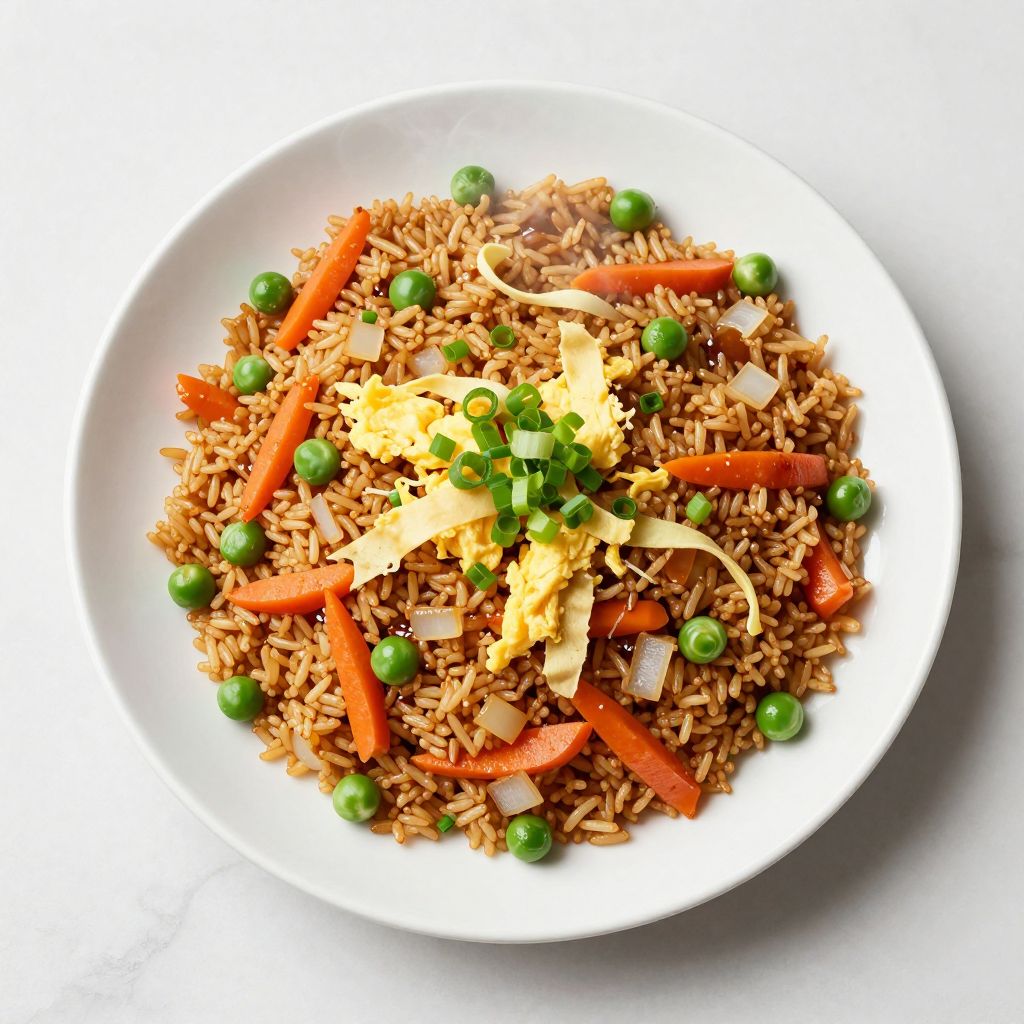
The sound of a spatula hitting a flat-top grill, the theatrical toss of perfectly seasoned rice, and that unmistakable buttery aroma that fills the air at Benihana have a way of making dinner feel like a celebration. Benihana fried rice is more than just a side dish; it’s the showstopper that everyone orders, the one you find yourself dreaming about days later, and the reason you consider asking for a second helping even when you’re already full.
What makes this recipe so irresistible is its simplicity combined with incredibly bold flavor. The buttery richness, the slight char from high heat, and those perfectly scrambled egg ribbons create a harmony that tastes restaurant-fancy but comes together in about 15 minutes.
Ready to bring that hibachi magic to your own kitchen? Let’s get started.
Why You’ll Love This Recipe
This Benihana fried rice recipe delivers authentic hibachi flavor without any specialized equipment or culinary gymnastics. It’s faster than ordering takeout and tastes better than the restaurant version once you nail the technique.
- Comes together in under 20 minutes from start to finish
- Uses simple ingredients you probably already have in your kitchen
- That signature buttery flavor and perfect texture every single time
- Works as a main dish or pairs beautifully with grilled proteins
- Scales up easily for meal prep or feeding a crowd
My Experience Making This Recipe
The first time I made this at home, I was skeptical that a regular stove could replicate that distinctive hibachi char. But once that butter hit the hot pan and the rice started to sizzle and pop, I knew I was onto something good.
The smell alone had my family wandering into the kitchen before I even finished cooking. When I plated it up, that glossy sheen and those beautiful browned bits looked exactly like what you get at the restaurant.
Everyone went back for seconds, and my teenager actually said it was better than the restaurant version because the butter-to-rice ratio was perfect. That’s high praise from someone who orders hibachi every birthday without fail.
Recipe Overview
- Recipe Name: Benihana Fried Rice
- Servings: 4
- Prep Time: 10 minutes
- Cook Time: 8 minutes
- Total Time: 18 minutes
- Course: Side Dish or Main
- Cuisine: Japanese-American Hibachi
- Calories per Serving: 320
Equipment You Will Need
- Large wok or wide skillet (12-inch or larger works best)
- Metal spatula for tossing and stirring
- Medium bowl for beating eggs
- Sharp knife and cutting board
- Measuring spoons and cups
- Rice cooker or medium saucepan with lid
Ingredients for Benihana Fried Rice
- 4 cups cooked white rice, preferably day-old and cold
- 3 tablespoons butter, divided
- 2 large eggs, beaten
- 1/2 cup white or yellow onion, finely diced
- 1/2 cup frozen peas and carrots, thawed
- 3 tablespoons soy sauce
- 1 tablespoon sesame oil
- 1/2 teaspoon garlic powder
- 1/2 teaspoon salt, or to taste
- 1/4 teaspoon black pepper
- 2 green onions, sliced thin for garnish
Ingredient Notes and Substitutions
- Day-old rice: Cold, day-old rice has less moisture and separates better, creating that perfect texture instead of mushy clumps. If using fresh rice, spread it on a baking sheet and refrigerate for at least 2 hours before cooking.
- Butter: This is what gives Benihana fried rice its signature rich flavor that sets it apart from other fried rice styles. You can use olive oil or vegetable oil, but you’ll lose that distinctive buttery taste.
- Soy sauce: Regular soy sauce provides the salty, umami backbone of the dish. Low-sodium soy sauce works too, but you may need to add a pinch more salt at the end.
- Sesame oil: This adds a nutty depth that completes the flavor profile. Vegetable oil can substitute in a pinch, but the dish won’t taste quite as authentic.
- Frozen peas and carrots: The classic vegetable mix that keeps things simple and colorful. Fresh vegetables work fine, just dice them small and cook them a minute longer.
How to Make Benihana Fried Rice
Step 1: Prepare Your Ingredients
Take your cold rice out of the refrigerator and break up any clumps with your hands or a fork. Dice your onion finely and beat your eggs in a small bowl with a pinch of salt.
Having everything ready before you start cooking is critical here because fried rice cooks fast and you won’t have time to prep once the heat is on. This is your mise en place moment, and it makes all the difference.
Step 2: Scramble the Eggs
Heat your wok or skillet over medium-high heat and add 1 tablespoon of butter. Once it melts and starts to foam, pour in the beaten eggs.
Scramble them quickly with your spatula, breaking them into small pieces as they cook. Remove them from the pan once they’re just set but still soft, about 30 seconds total.
Step 3: Cook the Aromatics
Add another tablespoon of butter to the same pan and toss in your diced onion. Stir-fry for about 2 minutes until the onion becomes translucent and starts to soften.
The onion needs to cook long enough to lose its raw bite but not so long that it browns. You want tender pieces that blend into the rice, not crunchy bits.
Step 4: Add the Vegetables
Toss in your thawed peas and carrots and stir them around for about 1 minute. They’re already cooked from being frozen, so you’re just heating them through and letting them pick up some of that butter flavor.
Keep everything moving in the pan to prevent sticking and ensure even heating. The vegetables should look bright and glossy.
Step 5: Fry the Rice
Push the vegetables to the side of the pan and add the remaining tablespoon of butter to the center. Once it melts, add all of your cold rice at once.
Use your spatula to break up the rice and spread it across the pan, pressing it down slightly to create contact with the hot surface. Let it sit undisturbed for about 1 minute to develop some crispy bits on the bottom before stirring.
Step 6: Season Everything
Pour the soy sauce and sesame oil over the rice, then sprinkle in the garlic powder, salt, and black pepper. Stir vigorously to coat every grain of rice with the seasonings.
The rice should turn a beautiful golden-brown color and smell absolutely incredible at this point. Keep stirring and tossing for another 2 minutes to ensure everything is evenly mixed and heated through.
Step 7: Incorporate the Eggs
Add the scrambled eggs back into the pan and break them up into smaller pieces if needed. Fold everything together so the egg pieces are distributed throughout the rice.
Work quickly here so the eggs warm through without overcooking and becoming rubbery. You want tender egg ribbons, not dry scrambled chunks.
Step 8: Finish and Serve
Give everything one final toss, taste for seasoning, and add more soy sauce or salt if needed. Remove from heat immediately to prevent the rice from drying out.
Transfer to a serving platter and garnish with sliced green onions. Serve hot and watch it disappear faster than you can say “hibachi.”
Pro Tip: The secret to restaurant-quality fried rice is cooking over high heat and working in batches if your pan isn’t large enough. Overcrowding the pan traps steam and turns your rice mushy instead of giving it that signature crispy texture.
Tips for the Best Benihana Fried Rice
- Always start with cold rice that’s been refrigerated for at least 4 hours or overnight. Warm or freshly cooked rice has too much moisture and will turn into a sticky mess instead of individual grains.
- Use high heat and don’t be afraid of a little smoke. That char and sizzle is what creates the authentic hibachi flavor you’re looking for.
- Real butter is non-negotiable for authentic Benihana flavor. Margarine or oil substitutes will give you fried rice, but not the buttery richness that makes this version special.
- Keep your ingredients moving constantly once you add the rice. Stirring prevents burning and ensures every grain gets coated with butter and seasonings.
- Taste before serving and adjust the soy sauce to your preference. Different brands have varying sodium levels, so trust your palate over the exact measurement.
- Add cooked protein like shrimp, chicken, or beef to transform this side into a complete meal. Just toss it in during step 7 with the eggs.
Common Mistakes to Avoid
- Using freshly cooked, warm rice creates a gummy, sticky texture because the grains haven’t had time to dry out and firm up in the refrigerator.
- Cooking over medium or low heat produces steamed rice instead of fried rice. You need high heat to get that slight char and separated grains.
- Overcrowding the pan traps steam and prevents proper frying. If you’re doubling the recipe, cook it in two separate batches for the best texture.
- Adding too much soy sauce at once can make the rice soggy and overly salty. Start with less and add more to taste at the end.
- Skipping the step where you let the rice sit undisturbed for a minute means you miss out on those crispy, caramelized bits that add so much flavor.
Serving Suggestions
This fried rice shines as a side dish alongside hibachi-style proteins, but it’s substantial enough to stand alone as a light main course. The buttery, savory flavor pairs beautifully with almost any grilled or stir-fried dish.
- Serve with hibachi steak, shrimp, or chicken for a complete Japanese steakhouse experience at home
- Pair with teriyaki salmon and steamed edamame for a balanced weeknight dinner
- Add a side of yum yum sauce for dipping and extra richness
- Serve alongside vegetable tempura and miso soup for a varied Japanese-inspired meal
- Pack leftovers in bento boxes with fresh vegetables and protein for next-day lunches
Variations to Try
- Shrimp Fried Rice: Toss in 1 cup of cooked, peeled shrimp during step 7 for a protein-packed version. The shrimp adds sweetness and makes this a complete meal.
- Chicken Hibachi Rice: Add 1 cup of diced, cooked chicken breast with the eggs. Season the chicken with a little extra garlic powder for maximum flavor.
- Spicy Version: Stir in 1 to 2 teaspoons of sriracha or a pinch of red pepper flakes with the soy sauce. The heat cuts through the butter and adds another dimension.
- Pineapple Fried Rice: Fold in 1/2 cup of diced fresh pineapple at the end for a sweet-savory twist. The fruit adds brightness and pairs surprisingly well with the butter.
- Mushroom Lover’s Rice: Saute 1 cup of sliced shiitake or button mushrooms with the onions. The umami from the mushrooms intensifies the savory flavors.
Dietary Adaptations
- Gluten-Free: Swap regular soy sauce for tamari or coconut aminos. Check that your other ingredients don’t contain hidden gluten, and you’re good to go with no flavor sacrifice.
- Dairy-Free: Replace butter with refined coconut oil or a neutral vegetable oil. You’ll lose some of that signature richness, but the dish still tastes great.
- Vegan: Use oil instead of butter and skip the eggs entirely, or use a tofu scramble as an egg substitute. Add extra vegetables like bell peppers or broccoli for more substance.
- Low-Carb/Keto: Substitute cauliflower rice for white rice and reduce the peas and carrots. The texture won’t be quite the same, but you’ll capture the flavor profile while slashing the carbs.
Storage and Reheating
Refrigerator
Store cooled fried rice in an airtight container in the refrigerator for up to 4 days. Let it cool completely before sealing to prevent condensation from making it soggy.
- Portion into individual servings for easy grab-and-go meals
- Press a piece of plastic wrap directly on the surface before sealing to prevent drying
Freezer
Freeze portions in freezer-safe containers or bags for up to 3 months. Press out as much air as possible to prevent freezer burn.
- Label containers with the date so you remember when you made it
- Freeze in single-serving portions for easier thawing and reheating
Reheating
The microwave works fine for quick reheating, but the stovetop brings back that fresh-cooked texture best. Add a tiny splash of water or extra butter to refresh the moisture.
- Microwave: Heat on high for 2 to 3 minutes, stirring halfway through
- Stovetop: Fry in a hot pan with a little butter for 3 to 4 minutes, stirring constantly
- Oven: Spread on a baking sheet and heat at 350°F for 10 to 15 minutes, stirring once
Nutrition Information
| Nutrient | Amount |
|---|---|
| Calories | 320 |
| Total Fat | 12g |
| Saturated Fat | 6g |
| Carbohydrates | 44g |
| Fiber | 2g |
| Sugar | 2g |
| Protein | 8g |
| Sodium | 680mg |
| Cholesterol | 110mg |
Nutritional values are approximate and will vary based on specific ingredients and portion sizes used. These calculations are based on standard ingredient databases and should be used as a general guide only.
Frequently Asked Questions
Can I use brown rice instead of white rice?
Absolutely, though the texture will be chewier and less authentic to the Benihana style. Make sure the brown rice is fully cooked and cold before using, and you may need an extra minute of cooking time.
Can I make this ahead of time?
You can cook the rice up to 2 days ahead, but the texture is best when served immediately after cooking. If making ahead, undercook it slightly and reheat in a hot pan with a bit of butter to refresh.
Why is my fried rice mushy?
Mushy rice usually means you used warm or freshly cooked rice with too much moisture, or your pan wasn’t hot enough. Always use day-old, cold rice and cook over high heat to evaporate excess moisture.
What kind of rice works best?
Medium-grain white rice or Japanese-style rice gives the most authentic texture, but long-grain rice like jasmine or basmati works too. Avoid sticky rice varieties that clump together too much.
Can I add other vegetables?
Absolutely, bell peppers, broccoli, zucchini, or mushrooms all work beautifully. Just dice them small and saute them with the onions so they cook through properly.
How do I get that smoky hibachi flavor at home?
High heat is the key, along with using real butter and letting the rice develop some crispy, browned bits on the bottom of the pan. Don’t stir constantly; let it sit and sizzle for those crispy edges.
Final Thoughts
Making Benihana fried rice at home proves that restaurant-quality flavor doesn’t require professional equipment or years of culinary training. With cold rice, high heat, and good butter, you can create that iconic hibachi experience right in your own kitchen.
Give this recipe a try tonight and taste how easily you can recreate one of the most beloved restaurant dishes out there. Your kitchen might not have the theatrics of a hibachi grill, but your taste buds won’t know the difference.
Benihana Fried Rice
Authentic hibachi-style fried rice with signature buttery flavor, perfectly scrambled eggs, and vegetables. This restaurant-quality dish comes together in under 20 minutes and tastes just like the famous Benihana version.
- Large wok or wide skillet (12-inch or larger)
- Metal spatula
- Medium bowl
- Sharp knife and cutting board
- Measuring spoons and cups
Main
- 4 cups cooked white rice (preferably day-old and cold)
- 3 tablespoons butter (divided)
- 2 large eggs (beaten)
- 1/2 cup white or yellow onion (finely diced)
- 1/2 cup frozen peas and carrots (thawed)
- 3 tablespoons soy sauce
- 1 tablespoon sesame oil
- 1/2 teaspoon garlic powder
- 1/2 teaspoon salt (or to taste)
- 1/4 teaspoon black pepper
- 2 green onions (sliced thin for garnish)
- Take cold rice out of the refrigerator and break up any clumps with your hands or a fork. Dice onion finely and beat eggs in a small bowl with a pinch of salt. Have all ingredients ready before cooking.
- Heat wok or skillet over medium-high heat and add 1 tablespoon of butter. Once it melts and starts to foam, pour in the beaten eggs. Scramble quickly with spatula, breaking into small pieces as they cook for about 30 seconds until just set. Remove from pan.
- Add another tablespoon of butter to the same pan and add diced onion. Stir-fry for about 2 minutes until onion becomes translucent and starts to soften.
- Toss in thawed peas and carrots and stir for about 1 minute until heated through and glossy.
- Push vegetables to the side of the pan and add remaining tablespoon of butter to the center. Once melted, add all cold rice at once. Use spatula to break up rice and spread across pan, pressing down slightly. Let sit undisturbed for about 1 minute to develop crispy bits before stirring.
- Pour soy sauce and sesame oil over rice, then sprinkle in garlic powder, salt, and black pepper. Stir vigorously to coat every grain for another 2 minutes until rice turns golden-brown and is evenly mixed.
- Add scrambled eggs back into the pan and break into smaller pieces if needed. Fold everything together so egg pieces are distributed throughout the rice, working quickly so eggs warm through without overcooking.
- Give everything one final toss, taste for seasoning, and add more soy sauce or salt if needed. Remove from heat immediately. Transfer to serving platter and garnish with sliced green onions. Serve hot.
Always use cold, day-old rice for best texture. Cook over high heat for authentic hibachi char. Real butter is essential for the signature Benihana flavor. If doubling the recipe, cook in two batches to avoid overcrowding. Store leftovers in airtight container in refrigerator for up to 4 days or freeze for up to 3 months.