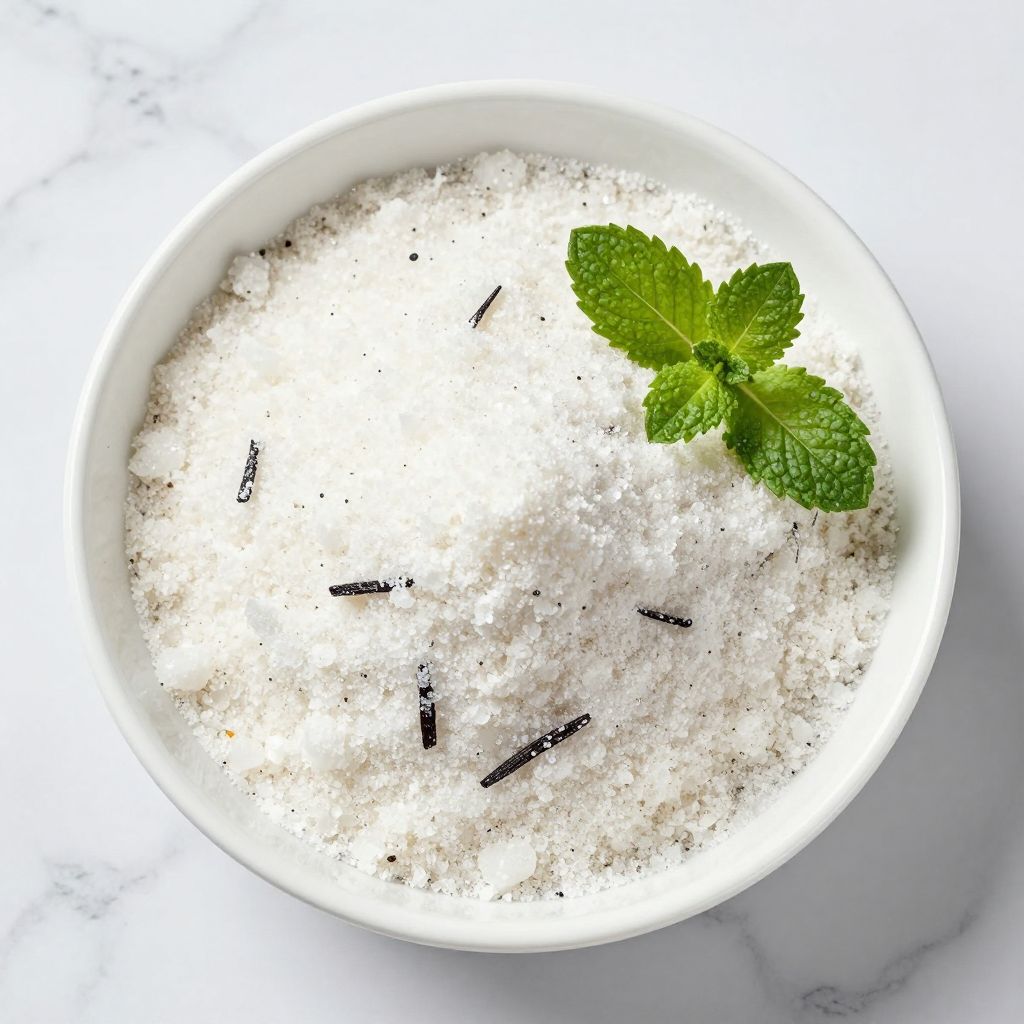
The scent of vanilla mingling with sugar is one of those kitchen luxuries that transforms baking from routine to something almost magical. Vanilla sugar is absurdly simple to make, costs a fraction of store-bought versions, and adds a subtle yet sophisticated sweetness to everything from morning coffee to holiday cookies.
This isn’t just flavored sugar. It’s an ingredient that brings depth and warmth to recipes without shouting for attention.
The best part? You probably already have everything you need, and it requires about two minutes of actual work. Let’s get into it.
Why You’ll Love This Recipe
Making your own vanilla sugar means you control the quality and intensity of flavor. Plus, it’s a clever way to extend the life of those pricey vanilla beans.
- Takes less than 5 minutes of active work and stores for months
- Uses the entire vanilla bean, including pods you’d otherwise toss after scraping
- Costs significantly less than buying pre-made vanilla sugar at specialty stores
- Adds nuanced flavor to baked goods, beverages, and breakfast dishes without extra liquid
- Makes a thoughtful homemade gift that looks impressive with minimal effort
My Experience Making This Recipe
I started making vanilla sugar after feeling guilty about tossing spent vanilla pods. The first batch sat in my pantry for a week, and when I opened the jar, the aroma was intoxicating enough to make me question why I’d ever bought the flavorless grocery store version.
I’ve been keeping a jar going for over two years now, adding new beans and topping up the sugar as I use it. The flavor only gets richer and more complex with time, like a tiny pantry investment that keeps paying dividends.
My family now requests it specifically for sprinkling on buttered toast and stirring into tea. It’s become one of those quiet kitchen staples that elevates ordinary moments without any fuss.
Recipe Overview
- Recipe Name: Vanilla Sugar
- Servings: Makes approximately 2 cups
- Prep Time: 5 minutes
- Curing Time: 1 to 2 weeks
- Total Time: 1 to 2 weeks
- Course: Pantry Staple / Ingredient
- Cuisine: Universal
- Calories per Serving: 16 calories per teaspoon
Equipment You Will Need
- Airtight glass jar (pint or quart size)
- Sharp knife
- Cutting board
- Measuring cup
- Spoon or small spatula for mixing
Ingredients for Vanilla Sugar
- 2 cups granulated sugar (white sugar works best for pure vanilla flavor)
- 2 whole vanilla beans (Madagascar, Tahitian, or Mexican varieties all work beautifully)
Ingredient Notes and Substitutions
- Granulated sugar: White sugar allows the vanilla flavor to shine without competing flavors, and its fine crystals absorb the vanilla oils efficiently. You can substitute cane sugar or organic sugar with identical results, though raw or turbinado sugar will add molasses notes that may overpower delicate vanilla.
- Vanilla beans: Whole beans contain the oils and seeds that infuse the sugar with authentic vanilla flavor over time. Vanilla extract won’t work here since the liquid would clump and potentially spoil the sugar, but you can use spent vanilla pods from other recipes to stretch your investment.
How to Make Vanilla Sugar
Step 1: Prepare the Vanilla Beans
Place your vanilla beans on a cutting board and use a sharp knife to slice each bean lengthwise down the middle. You want to split them open to expose the tiny seeds inside without cutting all the way through.
This step releases the vanilla caviar and allows maximum surface area contact with the sugar. The oils in both the pod and seeds will infuse more effectively when exposed.
Step 2: Cut the Beans Into Smaller Pieces
Slice the split vanilla beans into 2 to 3 inch segments. Smaller pieces distribute more evenly throughout the sugar and create more infusion points.
Don’t worry about being precise here. The goal is simply to break up the beans so they integrate better rather than sitting as two long pods in your jar.
Step 3: Combine Sugar and Vanilla
Pour about half of your sugar into the bottom of your clean, dry jar. Add all the vanilla bean pieces, then cover them completely with the remaining sugar.
Burying the beans in sugar prevents them from drying out on the surface and ensures even flavor distribution. The sugar acts as both a flavor absorber and a preservative.
Step 4: Seal and Shake
Secure the lid tightly on your jar and give it a good shake for about 30 seconds. You want to distribute the vanilla pieces throughout the sugar and start the initial mixing process.
This agitation begins breaking down the vanilla cell walls slightly and encourages the oils to start releasing. It’s oddly satisfying to watch the beans tumble through the white sugar.
Step 5: Store in a Cool, Dark Place
Place your sealed jar in a pantry or cupboard away from direct sunlight and heat sources. The ideal storage temperature is between 60 to 70 degrees Fahrenheit.
Light and heat degrade vanilla compounds and can cause the sugar to clump or develop off flavors. A dark pantry shelf is perfect and keeps everything stable.
Step 6: Shake Daily for the First Week
Give your jar a vigorous shake once a day for the first week. This redistributes the vanilla pieces and prevents them from settling in one spot.
The daily agitation speeds up the infusion process by constantly exposing new sugar crystals to the vanilla oils. Think of it as a tiny daily ritual that builds flavor.
Step 7: Let It Cure
After the first week of daily shaking, let your vanilla sugar sit undisturbed for at least one more week before using. Two weeks total gives you good flavor, but a month creates something truly special.
The longer the cure time, the deeper and more complex the vanilla notes become. Patience really does pay off here, even though it’s tempting to dive in immediately.
Step 8: Use and Replenish
Once your vanilla sugar is ready, start using it in your cooking and baking. As the jar empties, simply add more granulated sugar to refill it without removing the vanilla beans.
Those beans will continue infusing new sugar for six months to a year. When you notice the aroma fading, replace them with fresh beans and start the cycle again.
Pro Tip: Save every vanilla pod after you scrape out the seeds for other recipes. Rinse them, let them dry completely, and toss them into your vanilla sugar jar for bonus flavor at zero extra cost.
Tips for the Best Vanilla Sugar
- Choose plump, moist vanilla beans rather than dried-out ones. Fresh beans have more volatile oils and will infuse more intensely into the sugar.
- Use a glass jar rather than plastic, which can absorb odors and won’t seal as effectively. Glass keeps the vanilla aroma pure and prevents moisture intrusion.
- If your vanilla beans seem dry, this process actually rehydrates them slightly as they absorb trace moisture from the air trapped in the jar. They’ll become more pliable after a week or two.
- Grind small amounts of vanilla sugar in a spice grinder or food processor to create vanilla powdered sugar for dusting cakes and pastries. The vanilla pieces will break down into tiny specks that look intentional and artisanal.
- Label your jar with the date you made it and the type of vanilla bean used. Different vanilla varieties have distinct flavor profiles, and you might want to remember which one you prefer.
- Keep a small shaker jar of vanilla sugar on your counter for daily use and a larger storage jar in the pantry for refilling. This prevents you from constantly opening the main jar and releasing accumulated aroma.
Common Mistakes to Avoid
- Using vanilla extract instead of beans creates a clumpy, wet mess that can harbor bacteria and mold. Extract contains alcohol and water that don’t belong in sugar intended for long storage.
- Storing the jar in a warm spot near the stove or in direct sunlight causes the vanilla compounds to break down and the sugar to potentially caramelize or clump. Cool and dark is the only way to go.
- Removing the vanilla beans too early robs you of months of continued flavor infusion. Those beans keep working long after the initial cure period.
- Using damp or wet vanilla beans introduces moisture that can cause the entire batch to clump or grow mold. Make sure any beans you add are completely dry.
- Skipping the daily shaking during the first week results in uneven flavor distribution, with some sugar tasting intensely of vanilla while other parts remain plain. Consistency requires that initial effort.
Serving Suggestions
Vanilla sugar works anywhere regular sugar does, but it particularly shines in applications where you can taste its nuanced flavor. Think of it as a finishing touch rather than a hidden ingredient.
- Sprinkle over fresh berries or sliced peaches for a simple dessert that tastes far more elegant than the effort suggests
- Stir into coffee, tea, or hot chocolate instead of plain sugar for a subtle vanilla note that doesn’t require syrup
- Use in sugar cookie dough, shortbread, or snickerdoodles where vanilla flavor is central to the recipe
- Rim cocktail glasses with vanilla sugar for drinks like espresso martinis or vanilla old fashioneds
- Mix into whipped cream or mascarpone for a lightly flavored topping that pairs beautifully with fruit desserts
Variations to Try
- Citrus vanilla sugar: Add strips of lemon, orange, or grapefruit zest to the jar along with the vanilla beans for a bright, complex flavor that’s perfect for scones and tea cakes. The citrus oils complement vanilla beautifully without overwhelming it.
- Cinnamon vanilla sugar: Toss in two cinnamon sticks with your vanilla beans to create a warm, spiced sugar ideal for fall baking and topping oatmeal. The combination is classic for a reason.
- Lavender vanilla sugar: Add one tablespoon of dried culinary lavender buds for a floral note that works wonderfully in shortbread and French macarons. Use restraint here since lavender can quickly become soapy if overdone.
- Espresso vanilla sugar: Mix in two tablespoons of finely ground espresso beans for a mocha-flavored sugar that’s incredible in tiramisu and chocolate desserts. The coffee depth enhances the vanilla rather than competing with it.
- Bourbon vanilla sugar: After your sugar has cured for two weeks, add one tablespoon of bourbon and shake well, then let it dry out for three days with the lid slightly loose. You’ll get a sophisticated, boozy note that’s perfect for adult desserts.
Dietary Adaptations
- Gluten-free: Vanilla sugar is naturally gluten-free since both sugar and vanilla beans contain no gluten. Just verify your vanilla beans haven’t been processed in a facility that handles gluten if you have severe celiac disease.
- Dairy-free: This recipe contains no dairy and works perfectly in dairy-free baking and cooking. It’s a safe flavor booster for those with lactose intolerance or milk allergies.
- Vegan: Both granulated sugar and vanilla beans are plant-based, making this completely vegan. Some vegans avoid certain cane sugars processed with bone char, so opt for organic cane sugar or beet sugar if that’s a concern for you.
- Low-carb/Keto: Replace granulated sugar with an erythritol or allulose-based sweetener to create a low-carb vanilla sweetener. The vanilla will still infuse, though the flavor may be slightly less intense since these sweeteners have different crystal structures.
Storage and Reheating
Refrigerator
You don’t need to refrigerate vanilla sugar, and doing so can actually introduce condensation when you bring it back to room temperature. The sugar itself acts as a preservative.
- If you live in an extremely humid climate and notice clumping, refrigeration can help, but make sure the jar is absolutely airtight
- Let refrigerated vanilla sugar come fully to room temperature before opening to prevent moisture from condensing inside the jar
Freezer
Freezing vanilla sugar is unnecessary and impractical. The subfreezing temperature doesn’t preserve the sugar any better than pantry storage, and temperature fluctuations cause condensation issues.
- If you have excess vanilla beans you want to preserve, freeze those separately and add them to sugar as needed
- Frozen sugar can become rock-hard and difficult to measure or use until fully thawed
Pantry Storage
Proper pantry storage is the ideal method for vanilla sugar. An airtight jar in a cool, dark cupboard keeps it fresh and aromatic for at least a year.
- Store away from spices with strong odors like curry powder or cumin, which can transfer flavors through cupboard air
- Check periodically for any signs of moisture or clumping, which indicates a seal problem
- The vanilla beans themselves can stay in the sugar for 6 to 12 months before losing potency
- Top up the sugar as you use it to maintain a continuous supply
Nutrition Information
| Nutrient | Amount |
|---|---|
| Calories | 16 |
| Total Fat | 0g |
| Saturated Fat | 0g |
| Carbohydrates | 4g |
| Fiber | 0g |
| Sugar | 4g |
| Protein | 0g |
| Sodium | 0mg |
| Cholesterol | 0mg |
Nutritional values are based on one teaspoon of vanilla sugar. The vanilla bean pieces themselves contribute negligible calories since you typically won’t consume them directly.
Frequently Asked Questions
Can I use vanilla extract instead of vanilla beans?
No, vanilla extract contains alcohol and water that will make your sugar clump, become sticky, and potentially develop mold. Stick with whole vanilla beans or spent vanilla pods for safe, dry infusion.
How long does vanilla sugar last?
Stored properly in an airtight container away from heat and light, vanilla sugar lasts indefinitely since sugar doesn’t spoil. The vanilla beans themselves will lose potency after 6 to 12 months, so replace them when the aroma fades.
Can I make this ahead for gifts?
Absolutely, and vanilla sugar makes a thoughtful homemade gift that looks far more impressive than the minimal effort required. Make it at least two weeks before gifting so the flavor fully develops, and include a note about how to use and replenish it.
Why is my vanilla sugar clumping?
Clumping happens when moisture gets into the jar, either from humid air, damp vanilla beans, or condensation. Make sure your beans are completely dry before adding them, use an airtight jar, and store in a consistently cool, dry place.
Can I reuse vanilla beans that have been in sugar?
Yes, the beans stay in the sugar continuously and keep infusing as you refill the jar with fresh sugar. You can also remove them after several months, rinse and dry them, and use them in custards or sauces where they’ll still contribute flavor.
What’s the difference between types of vanilla beans?
Madagascar vanilla is creamy and classic, Tahitian vanilla is floral and fruity, and Mexican vanilla is bold and spicy. All work beautifully in vanilla sugar, so choose based on your flavor preference or what’s available at a reasonable price.
Can I speed up the infusion process?
You can grind the vanilla beans with some of the sugar in a food processor to create an instant vanilla sugar with visible specks. It won’t have the same depth as the slow-infused version, but it works in a pinch and looks gorgeous in clear desserts.
Final Thoughts
Vanilla sugar is one of those rare recipes where minimal effort yields maximum impact. Once you have a jar going, you’ll find yourself reaching for it constantly and wondering how you ever baked without it.
Start your batch today, and in two weeks you’ll have a pantry staple that makes every cup of coffee and batch of cookies taste just a bit more special. Your kitchen will smell amazing, and you’ll feel like a genius for such a simple trick.
Vanilla Sugar
Homemade vanilla sugar is absurdly simple to make, costs a fraction of store-bought versions, and adds a subtle yet sophisticated sweetness to everything from morning coffee to holiday cookies. This pantry staple uses whole vanilla beans to infuse granulated sugar with deep, complex vanilla flavor over time.
- Airtight glass jar (pint or quart size)
- Sharp knife
- Cutting board
- Measuring cup
- Spoon or small spatula for mixing
Main
- 2 cups granulated sugar (white sugar works best for pure vanilla flavor)
- 2 whole vanilla beans (Madagascar, Tahitian, or Mexican varieties all work beautifully)
- Place your vanilla beans on a cutting board and use a sharp knife to slice each bean lengthwise down the middle. Split them open to expose the tiny seeds inside without cutting all the way through.
- Slice the split vanilla beans into 2 to 3 inch segments. Smaller pieces distribute more evenly throughout the sugar and create more infusion points.
- Pour about half of your sugar into the bottom of your clean, dry jar. Add all the vanilla bean pieces, then cover them completely with the remaining sugar.
- Secure the lid tightly on your jar and give it a good shake for about 30 seconds to distribute the vanilla pieces throughout the sugar.
- Place your sealed jar in a pantry or cupboard away from direct sunlight and heat sources at 60 to 70 degrees Fahrenheit.
- Give your jar a vigorous shake once a day for the first week to redistribute the vanilla pieces and speed up the infusion process.
- After the first week of daily shaking, let your vanilla sugar sit undisturbed for at least one more week before using. Two weeks total gives you good flavor, but a month creates something truly special.
- Once your vanilla sugar is ready, start using it in your cooking and baking. As the jar empties, simply add more granulated sugar to refill it without removing the vanilla beans. The beans will continue infusing new sugar for 6 months to a year.
Save every vanilla pod after you scrape out the seeds for other recipes. Rinse them, let them dry completely, and toss them into your vanilla sugar jar for bonus flavor at zero extra cost. The vanilla beans can stay in the sugar for 6 to 12 months before losing potency. Store in an airtight jar in a cool, dark cupboard for up to a year.