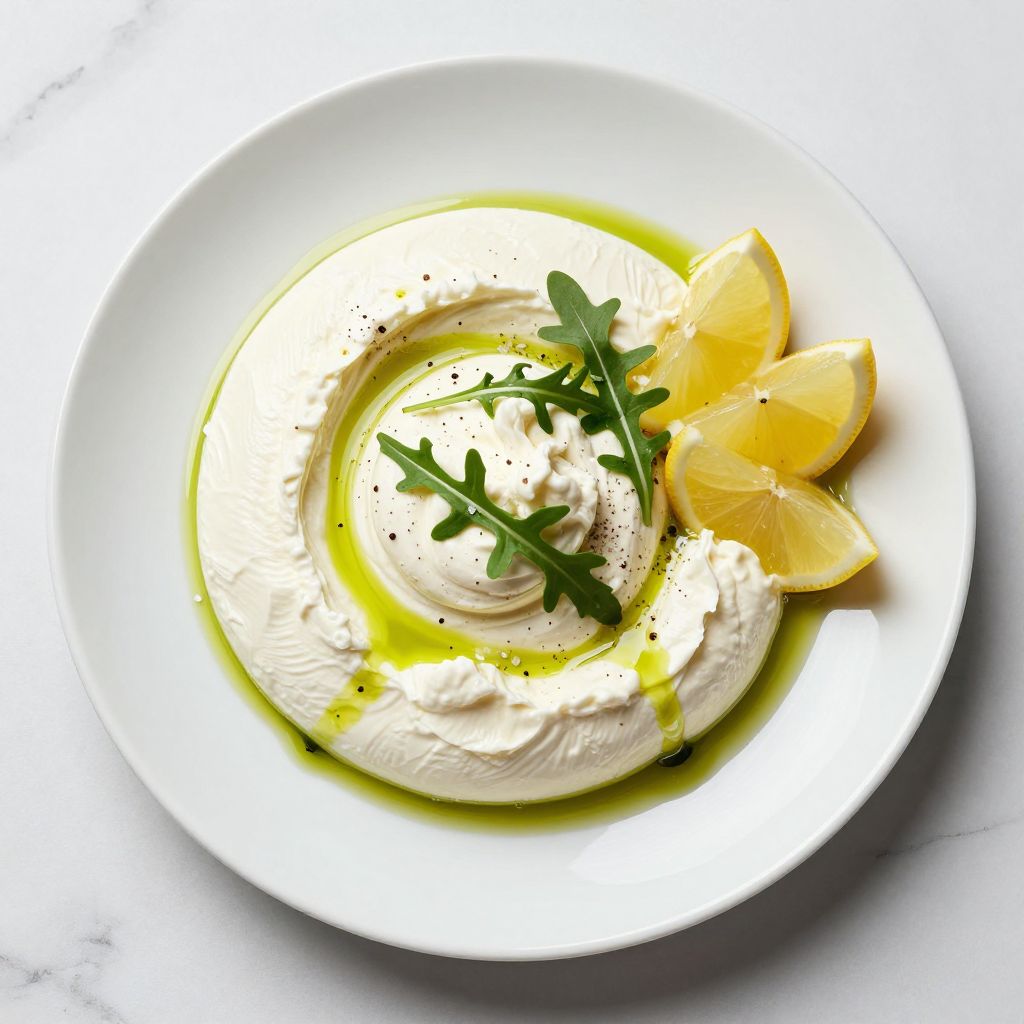
Whipped ricotta transforms ordinary ricotta cheese into a silky, cloud-like spread that elevates everything from toasted bread to roasted vegetables. This simple recipe requires just a few minutes and a handful of ingredients to create an appetizer that looks impressive but demands minimal effort.
Perfect for entertaining or a quick weeknight snack, this versatile spread works beautifully for brunch gatherings or as part of a Mediterranean-inspired meal. Let me show you how to make this foolproof recipe that delivers restaurant-quality results every single time.
Why You’ll Love This Recipe
This whipped ricotta comes together faster than you can set the table and requires almost no cooking skills. The transformation from grainy to silky happens right before your eyes.
- Ready in under 10 minutes with just 5 basic ingredients
- Creates an elegant appetizer that impresses guests without the stress
- Endlessly customizable with sweet or savory toppings
- Makes grainy ricotta completely smooth and luxurious
- Works as a dip, spread, or base for countless dishes
My Experience Making This Recipe
The first time I made whipped ricotta, I couldn’t believe how such a simple technique could completely change the texture of cheese. Watching the ricotta go from lumpy to impossibly smooth in my food processor felt like a small kitchen miracle.
I served it at a dinner party with honey, pistachios, and warm bread, and it disappeared before the main course arrived. Guests kept asking for the recipe, surprised when I told them it was basically just ricotta and a blender.
Now I make it at least twice a month because it solves the perpetual problem of what to serve when people drop by unexpectedly. It always looks intentional and fancy, even when I’m completely winging it.
Recipe Overview
- Recipe Name: Whipped Ricotta
- Servings: 6
- Prep Time: 5 minutes
- Cook Time: 0 minutes
- Total Time: 5 minutes
- Course: Appetizer
- Cuisine: Italian, Mediterranean
- Calories per Serving: 142
Equipment You Will Need
- Food processor or high-powered blender
- Rubber spatula
- Measuring cups and spoons
- Serving bowl or plate
- Spoon for drizzling and serving
Ingredients for Whipped Ricotta
- 16 ounces whole milk ricotta cheese, at room temperature
- 3 tablespoons extra virgin olive oil, plus more for drizzling
- 2 tablespoons heavy cream
- 1/2 teaspoon kosher salt
- 1/4 teaspoon black pepper, freshly ground
- 1 tablespoon fresh lemon juice
Ingredient Notes and Substitutions
- Whole milk ricotta: The fat content creates the silky texture you want, so avoid low-fat versions. You can substitute mascarpone mixed with a bit of sour cream for an even richer version.
- Extra virgin olive oil: This adds richness and helps achieve the whipped consistency while contributing flavor. Neutral oil works but you’ll lose some of the Mediterranean character.
- Heavy cream: This loosens the ricotta and adds luxurious body to the final product. Whole milk or half-and-half can substitute but the texture will be slightly less velvety.
- Lemon juice: Brightens the rich cheese and balances the fat with acidity. White wine vinegar works in a pinch but use a bit less since it’s sharper.
- Kosher salt: Brings out the natural sweetness of the ricotta and enhances all the other flavors. Fine sea salt works but reduce the amount by about a quarter.
How to Make Whipped Ricotta
Step 1: Bring Ricotta to Room Temperature
Remove the ricotta from the refrigerator and let it sit on the counter for 20 to 30 minutes. Cold ricotta won’t whip as smoothly and will require more processing time, which can warm up your food processor and affect the texture.
Step 2: Add Ingredients to Food Processor
Place the ricotta, olive oil, heavy cream, salt, pepper, and lemon juice into the bowl of your food processor. Make sure the ricotta goes in first so it surrounds the blade and processes evenly.
Step 3: Process Until Smooth
Pulse the mixture 3 to 4 times to break up the ricotta, then process continuously for 1 to 2 minutes. The mixture should transform from grainy to completely smooth and airy, similar to the texture of softly whipped cream.
Step 4: Scrape Down the Sides
Stop the processor and use a rubber spatula to scrape down any ricotta stuck to the sides of the bowl. Process for another 30 seconds to make sure everything gets incorporated evenly.
Step 5: Check the Consistency
The whipped ricotta should hold soft peaks when you lift the spatula but still spread easily. If it seems too thick, add another tablespoon of cream or olive oil and pulse to combine.
Step 6: Taste and Adjust Seasoning
Taste the whipped ricotta and add more salt, pepper, or lemon juice if needed. The flavor should be rich but balanced, with enough salt to make the cheese taste alive rather than flat.
Step 7: Transfer to Serving Dish
Spoon the whipped ricotta into a shallow serving bowl or onto a plate. Use the back of your spoon to create swirls and valleys in the surface, which will catch any toppings or olive oil you add.
Step 8: Add Finishing Touches
Drizzle extra virgin olive oil over the top and add a small pinch of flaky sea salt and cracked black pepper. These final touches add visual appeal and little bursts of flavor and texture in each bite.
Pro Tip: Don’t skip bringing the ricotta to room temperature. Cold ricotta requires over-processing to get smooth, which can make the final texture gummy instead of light and airy.
Tips for the Best Whipped Ricotta
- Buy the best quality ricotta you can find since it’s the star of this recipe. Fresh ricotta from an Italian deli or cheese shop will give you noticeably better flavor and texture than mass-produced versions.
- Stop processing as soon as the mixture turns smooth and creamy. Over-whipping can make the ricotta break and become watery or grainy again.
- Add a clove of roasted garlic to the food processor for a savory variation that pairs beautifully with grilled vegetables. The sweetness of roasted garlic complements the tangy ricotta perfectly.
- Make the whipped ricotta up to 2 days ahead and store it covered in the refrigerator. Let it come back to room temperature and give it a quick stir before serving to restore the fluffy texture.
- Use a high-powered food processor or blender for the smoothest results. A regular blender can work but you may need to stop and stir more frequently to get everything processed evenly.
- Warm your serving bread or crackers right before serving so the contrast between warm and cool creates a more interesting eating experience. The heat also helps the whipped ricotta melt slightly into the bread.
Common Mistakes to Avoid
- Using low-fat or part-skim ricotta creates a thin, watery texture that never gets properly creamy no matter how long you process it. The fat content is what makes the magic happen.
- Processing for too long can cause the ricotta to break and separate, leaving you with a watery mess instead of fluffy clouds. Watch the texture carefully and stop as soon as it looks smooth.
- Forgetting to scrape down the sides means some ricotta never gets whipped, leaving lumps in your otherwise smooth spread. Those two seconds with a spatula make all the difference.
- Skipping the acid (lemon juice) results in a one-dimensional, heavy-tasting spread that feels too rich. That brightness cuts through the fat and makes you want to keep eating.
- Not seasoning adequately leaves you with bland cheese that tastes like nothing. Ricotta needs salt to bring out its natural sweetness and make the flavors pop.
Serving Suggestions
Whipped ricotta shines as both an appetizer and a component in larger dishes. The neutral, creamy base welcomes bold toppings and pairs with nearly any flavor profile you can imagine.
- Spread on toasted sourdough or baguette slices with a drizzle of hot honey and crushed red pepper flakes
- Serve alongside roasted vegetables like cherry tomatoes, zucchini, or bell peppers for a light vegetarian meal
- Use as a base for crostini topped with sautéed mushrooms, fresh herbs, and a squeeze of lemon
- Pair with fresh fruit like figs, peaches, or berries and a drizzle of balsamic glaze for a sweet-savory combination
- Spread under grilled or roasted meats as a bed that soaks up all the flavorful juices
Variations to Try
- Herbed Whipped Ricotta: Add 2 tablespoons of fresh herbs like basil, chives, or dill to the food processor for a garden-fresh version. The herbs turn the spread bright green and add aromatic complexity that pairs beautifully with grilled bread.
- Sweet Whipped Ricotta: Replace the salt and pepper with 2 tablespoons of honey or maple syrup and add 1/2 teaspoon of vanilla extract. This version works perfectly with pancakes, waffles, or fresh berries for breakfast or dessert.
- Spicy Whipped Ricotta: Stir in 1 teaspoon of calabrian chili paste or red pepper flakes for a kick that wakes up your taste buds. The heat plays nicely against the cooling richness of the cheese.
- Lemon Zest Whipped Ricotta: Add the zest of one lemon along with the juice for extra citrus punch that brightens every bite. The zest adds aromatic oils that make the whole dish smell incredible.
- Truffle Whipped Ricotta: Replace 1 tablespoon of the olive oil with truffle oil for an luxurious, earthy variation. Just a little truffle oil goes a long way and turns this simple recipe into something restaurant-worthy.
Dietary Adaptations
- Gluten-free: This recipe is naturally gluten-free, but make sure your serving vehicle (bread, crackers) is also gluten-free if needed. Rice crackers or gluten-free sourdough work beautifully.
- Dairy-free: Replace ricotta with blended cashews soaked overnight, and use coconut cream instead of heavy cream. The texture won’t be identical but you’ll get a similar creamy, spreadable consistency.
- Vegetarian: This recipe is already vegetarian, but check that your ricotta uses vegetarian rennet if that matters to you. Most commercial ricotta brands are vegetarian-friendly.
- Low-carb/Keto: The recipe itself is already low in carbs and keto-friendly. Serve it with vegetable sticks, pork rinds, or low-carb crackers instead of bread to keep it keto-compliant.
Storage and Reheating
Refrigerator
Store whipped ricotta in an airtight container in the refrigerator for up to 4 days. The texture will firm up when cold but returns to its creamy state at room temperature.
- Press plastic wrap directly onto the surface before sealing to prevent a skin from forming
- Let it sit out for 20 minutes before serving to restore the fluffy texture
- Give it a quick stir with a spoon if it looks separated after storage
Freezer
Freezing is not recommended for whipped ricotta. The texture becomes grainy and watery when thawed, and no amount of re-whipping will fix it.
- The dairy proteins break down during freezing and won’t reconstitute properly
- If you must freeze it, use it in cooked dishes like lasagna rather than as a spread
Reheating
Whipped ricotta is served at room temperature or cold, so reheating isn’t necessary. If you want to serve it slightly warm, let it sit out naturally rather than microwaving it.
- Place the container on the counter 30 to 40 minutes before serving
- Never microwave as it will cause the mixture to separate and become oily
- Stir gently before serving to restore the creamy consistency
Nutrition Information
| Nutrient | Amount |
|---|---|
| Calories | 142 |
| Total Fat | 11g |
| Saturated Fat | 4g |
| Carbohydrates | 4g |
| Fiber | 0g |
| Sugar | 2g |
| Protein | 7g |
| Sodium | 245mg |
| Cholesterol | 25mg |
Nutritional values are estimates based on standard ingredient measurements and may vary based on specific brands and quantities used. These values do not include any toppings or serving accompaniments.
Frequently Asked Questions
Can I make whipped ricotta without a food processor?
You can use a high-powered blender or even a hand mixer, though the texture won’t be quite as smooth and airy. A hand mixer requires more time and stopping to scrape down the bowl, but it can work in a pinch if you’re patient.
Why is my whipped ricotta watery?
You either over-processed the mixture causing it to break, or your ricotta had too much liquid to begin with. Drain excess liquid from the ricotta before processing, and stop as soon as the mixture looks smooth and creamy.
Can I make whipped ricotta ahead of time?
Absolutely, and it actually gets better after sitting for a few hours as the flavors meld together. Make it up to 2 days in advance, store it covered in the fridge, and bring it to room temperature before serving.
What’s the best way to serve whipped ricotta?
Spread it on a shallow plate or bowl, create swirls with the back of a spoon, and top with olive oil, flaky salt, and your choice of toppings. The swirls and valleys catch the olive oil and toppings, making each bite more interesting.
Can I use part-skim ricotta?
You can, but the results will be noticeably less creamy and rich. Part-skim ricotta has less fat, which means it won’t whip up as smoothly and the final texture will be thinner and less luxurious.
How do I fix grainy whipped ricotta?
Add another tablespoon of cream or olive oil and process for 30 more seconds. If it’s still grainy, your ricotta quality may be the issue, and sometimes certain brands just won’t get completely smooth no matter what you do.
Final Thoughts
Whipped ricotta proves that the simplest recipes often deliver the most impressive results. With just a few minutes of effort, you can create something that looks and tastes like it came from an upscale restaurant.
This recipe has become my secret weapon for entertaining because it always gets compliments but never stresses me out. Give it a try and watch how quickly it becomes one of your go-to appetizers too.
Whipped Ricotta

Whipped ricotta transforms ordinary ricotta cheese into a silky, cloud-like spread that elevates everything from toasted bread to roasted vegetables. This simple recipe requires just a few minutes and a handful of ingredients to create an appetizer that looks impressive but demands minimal effort.
- Food processor or high-powered blender
- Rubber spatula
- Measuring cups and spoons
- Serving bowl or plate
- Spoon for drizzling and serving
Main
- 16 ounces whole milk ricotta cheese (at room temperature)
- 3 tablespoons extra virgin olive oil (plus more for drizzling)
- 2 tablespoons heavy cream
- 1/2 teaspoon kosher salt
- 1/4 teaspoon black pepper (freshly ground)
- 1 tablespoon fresh lemon juice
- Remove the ricotta from the refrigerator and let it sit on the counter for 20 to 30 minutes to bring it to room temperature.
- Place the ricotta, olive oil, heavy cream, salt, pepper, and lemon juice into the bowl of your food processor, making sure the ricotta goes in first.
- Pulse the mixture 3 to 4 times to break up the ricotta, then process continuously for 1 to 2 minutes until the mixture transforms from grainy to completely smooth and airy.
- Stop the processor and use a rubber spatula to scrape down any ricotta stuck to the sides of the bowl. Process for another 30 seconds to make sure everything gets incorporated evenly.
- Check the consistency – the whipped ricotta should hold soft peaks when you lift the spatula but still spread easily. If it seems too thick, add another tablespoon of cream or olive oil and pulse to combine.
- Taste the whipped ricotta and add more salt, pepper, or lemon juice if needed.
- Spoon the whipped ricotta into a shallow serving bowl or onto a plate. Use the back of your spoon to create swirls and valleys in the surface.
- Drizzle extra virgin olive oil over the top and add a small pinch of flaky sea salt and cracked black pepper before serving.
Store whipped ricotta in an airtight container in the refrigerator for up to 4 days. Press plastic wrap directly onto the surface before sealing to prevent a skin from forming. Let it sit out for 20 minutes before serving to restore the fluffy texture. Freezing is not recommended as the texture becomes grainy and watery when thawed.