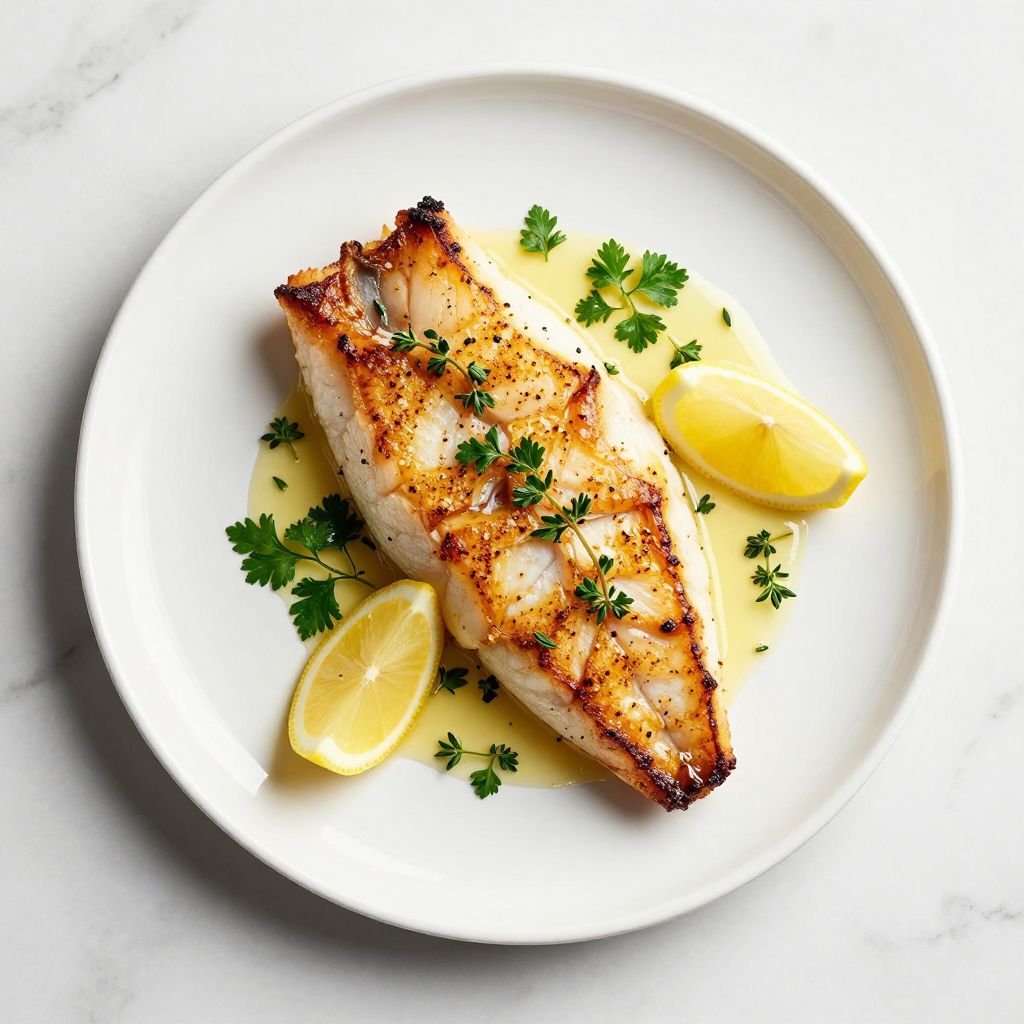
Monkfish recipe delivers a restaurant-quality seafood dish right in your own kitchen, transforming this firm, meaty fish into a golden, flavorful main course perfect for weeknight dinners or special occasions. Often called “poor man’s lobster” for its sweet, succulent texture, monkfish pairs beautifully with butter, garlic, and fresh herbs.
This recipe walks you through every step to ensure perfectly cooked fish with a gorgeous caramelized exterior. You’ll learn the tricks professionals use to avoid rubbery texture and maximize flavor.
Why You’ll Love This Recipe
This monkfish preparation delivers impressive results without complicated techniques or hard-to-find ingredients. The cooking method is straightforward, yet the outcome tastes like something from a high-end seafood restaurant.
- Ready in under 30 minutes from start to finish
- Firm texture holds up beautifully during cooking, perfect for beginners
- Mild flavor works with countless seasonings and sauces
- High in protein and low in calories for a health-conscious meal
- Impressive presentation that looks far more difficult than it actually is
My Experience Making This Recipe
The first time I cooked monkfish, I was nervous about overcooking this somewhat pricey fish. I kept the heat at medium-high and watched carefully as the fillets developed a beautiful golden crust within just three minutes per side.
The aroma of butter and garlic filled my kitchen, and when I sliced into the finished fish, it was perfectly opaque with a tender, almost lobster-like bite. My dinner guests genuinely asked if I had ordered takeout from our favorite seafood spot.
I’ve made this recipe at least a dozen times since then, experimenting with different herb combinations. Each time, the fish comes out tender and flavorful, never rubbery or bland like some seafood can become.
Recipe Overview
- Recipe Name: Pan-Seared Monkfish with Garlic Butter
- Servings: 4
- Prep Time: 10 minutes
- Cook Time: 15 minutes
- Total Time: 25 minutes
- Course: Main Course
- Cuisine: Mediterranean
- Calories per Serving: 285
Equipment You Will Need
- Large heavy-bottomed skillet or cast iron pan
- Sharp fillet knife
- Paper towels
- Tongs or fish spatula
- Cutting board
- Small bowl for seasoning
- Meat thermometer (optional but helpful)
Ingredients for Monkfish Recipe
- 1.5 pounds monkfish fillets, membrane removed, cut into 4 portions
- 3 tablespoons olive oil
- 4 tablespoons unsalted butter, divided
- 4 cloves garlic, minced
- 1 teaspoon sea salt
- 1/2 teaspoon black pepper, freshly ground
- 1/2 teaspoon smoked paprika
- 2 tablespoons fresh parsley, chopped
- 1 tablespoon fresh thyme leaves
- 2 tablespoons fresh lemon juice
- Lemon wedges for serving
Ingredient Notes and Substitutions
- Monkfish: This firm white fish has a sweet, mild flavor and meaty texture. You can substitute halibut, cod, or sea bass, though cooking times may vary slightly.
- Olive oil: Provides a high smoke point for searing without burning. Avocado oil or grapeseed oil work equally well for the initial sear.
- Unsalted butter: Adds richness and helps create a glossy pan sauce. Salted butter can be used if you reduce the added salt by half.
- Smoked paprika: Contributes a subtle smoky depth without overpowering the delicate fish. Regular paprika or a pinch of cayenne can replace it.
- Fresh herbs: Bright parsley and earthy thyme complement the seafood beautifully. Dried herbs work in a pinch, but use one-third the amount listed.
How to Make Monkfish Recipe
Step 1: Prepare the Monkfish
Remove the monkfish from the refrigerator 15 minutes before cooking to bring it closer to room temperature. Pat each fillet completely dry with paper towels, removing all surface moisture.
Drying the fish thoroughly prevents steaming and allows proper browning, which creates those delicious caramelized flavors. Any remaining moisture will cause the fish to stick to the pan.
Step 2: Season the Fish
Combine the salt, black pepper, and smoked paprika in a small bowl. Sprinkle the seasoning mixture evenly over both sides of each monkfish portion.
Press the seasonings gently into the flesh so they adhere during cooking. This creates a flavorful crust rather than seasoning that falls off in the pan.
Step 3: Heat the Pan
Place your skillet over medium-high heat and add the olive oil. Allow the oil to heat for 2 to 3 minutes until it shimmers and moves easily across the pan surface.
A properly heated pan is critical for achieving a golden crust without the fish sticking. You can test readiness by flicking a tiny drop of water into the oil; it should sizzle immediately.
Step 4: Sear the First Side
Carefully place the monkfish portions in the hot pan, laying them away from you to avoid oil splatter. Leave space between each piece to maintain proper heat distribution.
Let the fish cook undisturbed for 3 to 4 minutes without moving or flipping. This patience allows a proper crust to form, and the fish will naturally release from the pan when ready.
Step 5: Flip and Continue Cooking
Use a fish spatula or tongs to gently flip each portion to the second side. The first side should show a golden-brown crust.
Cook for an additional 3 to 4 minutes until the internal temperature reaches 145 degrees Fahrenheit. Monkfish should feel firm to the touch but still have a slight spring.
Step 6: Add Butter and Garlic
Reduce the heat to medium and add 2 tablespoons of butter along with the minced garlic to the pan. Tilt the pan slightly and use a spoon to baste the melting butter over the fish continuously.
This basting technique infuses the fish with buttery, garlicky flavor while keeping it moist. The garlic should become fragrant but not brown, which takes about 1 minute.
Step 7: Add Fresh Herbs
Sprinkle the fresh parsley and thyme over the fish and continue basting for another 30 seconds. Add the remaining 2 tablespoons of butter and let it melt into the sauce.
The herbs will release their aromatic oils into the butter, creating a simple yet elegant pan sauce. The butter should foam and turn slightly golden but not brown.
Step 8: Finish with Lemon
Remove the pan from heat and drizzle the fresh lemon juice over the fish. Give the pan a gentle shake to combine the lemon with the butter sauce.
Transfer the monkfish to serving plates and spoon the garlic herb butter from the pan over each portion. The acid from the lemon brightens all the flavors and cuts through the richness of the butter.
Pro Tip: Never skip removing the thin, grayish membrane from monkfish before cooking. This tough layer shrinks dramatically when heated, causing the fish to curl and cook unevenly, and it has an unpleasant, rubbery texture even when fully cooked.
Tips for the Best Monkfish Recipe
- Buy the freshest monkfish possible from a reputable fishmonger. It should smell clean and ocean-like, never fishy or ammonia-like, and the flesh should be firm and slightly translucent.
- Cut portions to uniform thickness so they cook at the same rate. Thinner tail pieces cook faster than thicker center cuts, so you may need to remove them earlier.
- Resist the urge to move the fish around while it sears. Constant flipping prevents proper browning and can cause the delicate flesh to break apart.
- Watch your garlic closely once added to the hot pan. Burned garlic turns bitter quickly and will ruin the sauce, so reduce heat if it starts browning too fast.
- Use a meat thermometer if you’re uncertain about doneness. Monkfish is perfectly cooked at 145 degrees Fahrenheit; anything beyond that becomes tough and dry.
- Let the finished fish rest for 2 minutes before serving. This brief rest allows the juices to redistribute throughout the meat for better texture.
Common Mistakes to Avoid
- Cooking the fish straight from the refrigerator leads to uneven cooking where the exterior overcooks before the center warms through. Always allow seafood to temper slightly at room temperature.
- Using too low of a heat setting prevents proper caramelization and causes the fish to steam rather than sear. You need medium-high heat for that restaurant-quality crust.
- Overcrowding the pan drops the temperature dramatically and creates steam, resulting in gray, boiled-looking fish instead of golden perfection. Cook in batches if necessary.
- Overcooking is the number one issue with monkfish, turning its lovely tender texture into something resembling rubber bands. Pull it from heat when it just turns opaque.
- Skipping the basting step means missing out on infusing maximum flavor into the fish. Those 60 seconds of spooning butter over the fillets make a tremendous difference.
Serving Suggestions
This elegant monkfish pairs beautifully with light, fresh sides that complement rather than compete with its delicate flavor. Consider both texture and flavor balance when choosing accompaniments.
- Serve over creamy mashed potatoes or cauliflower puree to soak up the garlic butter sauce
- Pair with roasted asparagus, green beans, or broccolini for a fresh, crisp contrast
- Add a simple arugula salad dressed with lemon vinaigrette for peppery brightness
- Serve alongside risotto or orzo pasta tossed with olive oil and herbs
- Include crusty bread for mopping up every last drop of the buttery pan sauce
Variations to Try
- Mediterranean style with sun-dried tomatoes, capers, and kalamata olives added to the pan sauce for briny, tangy notes that complement the sweet fish perfectly.
- Asian-inspired version using sesame oil, ginger, soy sauce, and scallions instead of the butter and herbs for a completely different but equally delicious flavor profile.
- Spicy kick by adding red pepper flakes or fresh sliced chili peppers to the garlic butter for those who enjoy heat with their seafood.
- White wine sauce by deglazing the pan with 1/2 cup dry white wine before adding the butter, creating a more sophisticated restaurant-style pan sauce.
- Herb-crusted preparation by coating the seasoned fish in a mixture of panko breadcrumbs and chopped herbs before searing for added texture and visual appeal.
Dietary Adaptations
- Gluten-free: This recipe is naturally gluten-free as written, making it safe for those with celiac disease or gluten sensitivity without any modifications needed.
- Dairy-free: Replace the butter with additional olive oil or use ghee if you tolerate clarified butter, though you’ll lose some of the rich, creamy sauce texture.
- Keto/Low-carb: This recipe is already keto-friendly with only 2 grams of carbohydrates per serving, making it perfect for low-carb diets when paired with non-starchy vegetables.
- Paleo: Use ghee instead of regular butter and this recipe fits perfectly within paleo guidelines, providing excellent lean protein with healthy fats.
Storage and Reheating
Refrigerator
Store leftover monkfish in an airtight container in the refrigerator for up to 2 days. Pour any remaining pan sauce over the fish before sealing to keep it moist.
- Let the fish cool to room temperature before refrigerating
- Place parchment paper between stacked pieces to prevent sticking
- Keep away from strong-smelling foods that might transfer odors
Freezer
Freezing cooked monkfish is not recommended as the texture becomes mushy and unpleasant upon thawing. If you must freeze it, use within 1 month and expect textural changes.
- Wrap individual portions tightly in plastic wrap, then aluminum foil
- Label with the date and contents clearly
- Thaw overnight in the refrigerator, never at room temperature
Reheating
Reheat gently to avoid turning the fish rubbery and dry. Low, slow heat works better than high temperatures for maintaining texture.
- Oven method: Reheat at 275 degrees Fahrenheit for 10 to 12 minutes covered with foil
- Stovetop method: Warm in a covered skillet over low heat with a splash of butter or broth
- Avoid microwaving if possible, as it creates tough, rubbery spots in the fish
Nutrition Information
| Nutrient | Amount |
|---|---|
| Calories | 285 |
| Total Fat | 19g |
| Saturated Fat | 8g |
| Carbohydrates | 2g |
| Fiber | 0g |
| Sugar | 0g |
| Protein | 27g |
| Sodium | 685mg |
| Cholesterol | 95mg |
Nutritional values are approximate and may vary based on specific ingredients used and portion sizes. Calculations are based on standard ingredient databases and should be used as a general guide only.
Frequently Asked Questions
Can I use frozen monkfish for this recipe?
Yes, but thaw it completely in the refrigerator overnight and pat it extra dry before cooking. Frozen fish releases more moisture during cooking, so proper drying becomes even more important for achieving a good sear.
How do I know when monkfish is fully cooked?
The flesh should turn opaque white throughout and feel firm but springy to the touch, reaching an internal temperature of 145 degrees Fahrenheit. Undercooked monkfish appears translucent, while overcooked fish becomes tough and rubbery.
Can I make this recipe ahead of time?
Monkfish is best served immediately after cooking for optimal texture and flavor. You can prep the ingredients and have everything ready to go, but the actual cooking should happen right before serving.
Why is my monkfish rubbery?
Rubbery texture usually means the fish was overcooked or the membrane wasn’t completely removed before cooking. Cook just until opaque and always remove that thin gray membrane entirely.
What does monkfish taste like?
Monkfish has a mild, slightly sweet flavor often compared to lobster, with a firm, meaty texture that holds up well to various cooking methods. It’s less “fishy” than many other seafood options, making it appealing to those who prefer subtle flavors.
Can I grill monkfish instead of pan-searing it?
Absolutely, monkfish grills beautifully due to its firm texture. Brush with oil, season well, and grill over medium-high heat for 4 to 5 minutes per side, basting with the garlic butter during the last minute.
Final Thoughts
This monkfish recipe proves that restaurant-quality seafood dishes are completely achievable at home with the right technique and attention to detail. The combination of a perfect sear, aromatic garlic butter, and fresh herbs transforms this underrated fish into something truly special.
Give this recipe a try the next time you spot fresh monkfish at your local market. You’ll be rewarded with a meal that tastes expensive and impressive but comes together in less time than it takes to order takeout.
Pan-Seared Monkfish with Garlic Butter
Restaurant-quality pan-seared monkfish with a golden caramelized exterior, finished with aromatic garlic butter and fresh herbs. This firm, meaty fish delivers sweet, succulent flavor often compared to lobster, ready in under 30 minutes.
- Large heavy-bottomed skillet or cast iron pan
- Sharp fillet knife
- Paper towels
- Tongs or fish spatula
- Cutting board
- Small bowl for seasoning
- Meat thermometer (optional)
Main
- 1.5 pounds monkfish fillets (membrane removed, cut into 4 portions)
- 3 tablespoons olive oil
- 4 tablespoons unsalted butter (divided)
- 4 cloves garlic (minced)
- 1 teaspoon sea salt
- 1/2 teaspoon black pepper (freshly ground)
- 1/2 teaspoon smoked paprika
- 2 tablespoons fresh parsley (chopped)
- 1 tablespoon fresh thyme leaves
- 2 tablespoons fresh lemon juice
- Lemon wedges for serving
- Remove the monkfish from the refrigerator 15 minutes before cooking to bring it closer to room temperature. Pat each fillet completely dry with paper towels, removing all surface moisture.
- Combine the salt, black pepper, and smoked paprika in a small bowl. Sprinkle the seasoning mixture evenly over both sides of each monkfish portion. Press the seasonings gently into the flesh so they adhere during cooking.
- Place your skillet over medium-high heat and add the olive oil. Allow the oil to heat for 2 to 3 minutes until it shimmers and moves easily across the pan surface.
- Carefully place the monkfish portions in the hot pan, laying them away from you to avoid oil splatter. Leave space between each piece. Let the fish cook undisturbed for 3 to 4 minutes without moving or flipping.
- Use a fish spatula or tongs to gently flip each portion to the second side. Cook for an additional 3 to 4 minutes until the internal temperature reaches 145 degrees Fahrenheit. The fish should feel firm to the touch but still have a slight spring.
- Reduce the heat to medium and add 2 tablespoons of butter along with the minced garlic to the pan. Tilt the pan slightly and use a spoon to baste the melting butter over the fish continuously for about 1 minute until the garlic becomes fragrant.
- Sprinkle the fresh parsley and thyme over the fish and continue basting for another 30 seconds. Add the remaining 2 tablespoons of butter and let it melt into the sauce.
- Remove the pan from heat and drizzle the fresh lemon juice over the fish. Give the pan a gentle shake to combine the lemon with the butter sauce. Transfer the monkfish to serving plates and spoon the garlic herb butter from the pan over each portion. Serve with lemon wedges.
Never skip removing the thin, grayish membrane from monkfish before cooking as it shrinks dramatically when heated and has an unpleasant, rubbery texture. Monkfish is best served immediately after cooking for optimal texture and flavor. Store leftovers in an airtight container in the refrigerator for up to 2 days. Reheat gently at 275°F for 10-12 minutes covered with foil.