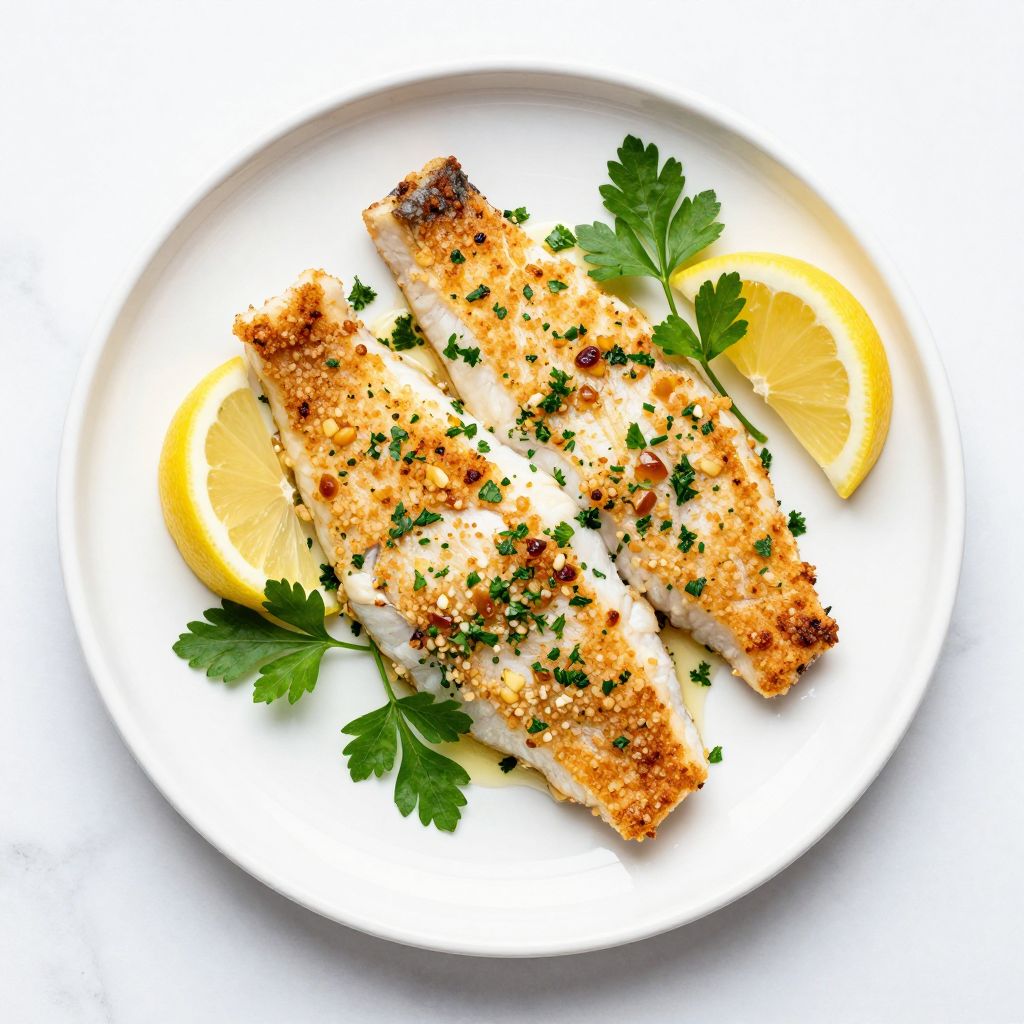
Baked haddock transforms this mild white fish into a restaurant-quality dinner that takes less than 30 minutes from prep to plate. This recipe uses simple pantry ingredients like butter, lemon, and herbs to create a flaky, flavorful main course that works perfectly for busy weeknights or elegant entertaining.
I’ll walk you through exactly how to bake haddock so it stays moist and tender, never dry or rubbery. You’ll learn the temperature tricks and timing secrets that guarantee perfect results every single time.
Why You’ll Love This Recipe
This baked haddock delivers impressive flavor with minimal effort, making it one of those recipes you’ll return to again and again. The technique is foolproof, and the results taste like you spent hours in the kitchen.
- Ready in under 30 minutes with just 10 minutes of active prep time
- Uses only 7 ingredients, most of which you probably have right now
- Naturally low-calorie and high-protein, fitting into nearly any eating plan
- The buttery, garlicky topping creates an irresistible golden crust
- No fishy smell or taste, making it perfect for seafood skeptics
My Experience Making This Recipe
I made this baked haddock recipe on a particularly hectic Tuesday when I needed something fast but didn’t want to sacrifice quality. The fillets went from fridge to table in 25 minutes, and my family couldn’t believe how tender and flavorful they turned out.
The kitchen smelled amazing while the fish baked, filling the house with the scent of garlic and butter without any unpleasant fishy odor. The topping crisped up beautifully while the fish stayed incredibly moist underneath.
My husband, who usually drowns fish in tartar sauce, ate his portion plain and asked for seconds. That’s when I knew this recipe was a keeper worth sharing.
Recipe Overview
- Recipe Name: Baked Haddock
- Servings: 4
- Prep Time: 10 minutes
- Cook Time: 15 minutes
- Total Time: 25 minutes
- Course: Main Course
- Cuisine: American
- Calories per Serving: 215
Equipment You Will Need
- 9×13-inch baking dish or similar oven-safe dish
- Small microwave-safe bowl for melting butter
- Garlic press or sharp knife for mincing
- Measuring spoons and cups
- Pastry brush or spoon for spreading topping
- Instant-read thermometer (optional but helpful)
- Paper towels for patting fish dry
Ingredients for Baked Haddock
- 4 haddock fillets (about 6 ounces each, fresh or thawed)
- 4 tablespoons unsalted butter, melted
- 3 cloves garlic, minced
- 1/2 cup panko breadcrumbs
- 2 tablespoons fresh lemon juice (about 1 lemon)
- 2 tablespoons fresh parsley, chopped
- 1/2 teaspoon salt
- 1/4 teaspoon black pepper
- Lemon wedges for serving
Ingredient Notes and Substitutions
- Haddock: This mild, flaky white fish holds up beautifully to baking without falling apart. Substitute with cod, halibut, or tilapia if haddock isn’t available, though cooking time may vary slightly.
- Panko breadcrumbs: These Japanese-style breadcrumbs create a lighter, crispier texture than regular breadcrumbs. Regular breadcrumbs work in a pinch but won’t be quite as crunchy.
- Fresh parsley: Fresh herbs add brightness and color to the finished dish. Dried parsley can substitute using 1 tablespoon, but the flavor won’t be as vibrant.
- Unsalted butter: Butter adds richness and helps the breadcrumb topping brown evenly. Olive oil works as a substitute but changes the flavor profile significantly.
- Fresh lemon juice: Freshly squeezed lemon cuts through the richness and complements the fish perfectly. Bottled lemon juice tastes flat and artificial by comparison.
How to Make Baked Haddock
Step 1: Prepare Your Oven and Baking Dish
Preheat your oven to 400°F and lightly grease your baking dish with butter or cooking spray. Starting with a properly heated oven means the fish will cook evenly from the moment it goes in, preventing that rubbery texture that happens when fish cooks too slowly.
Step 2: Prepare the Haddock Fillets
Pat the haddock fillets completely dry with paper towels and arrange them in your prepared baking dish, leaving a little space between each piece. Removing surface moisture is critical because wet fish steams instead of bakes, preventing that beautiful golden top from forming.
Step 3: Make the Butter Mixture
Melt the butter in a small microwave-safe bowl for about 30 seconds, then stir in the minced garlic and lemon juice. This mixture serves as both the base for your topping and a flavor infusion that soaks into the fish as it bakes.
Step 4: Brush the Fillets
Use a pastry brush to coat the top of each fillet with about half of the butter mixture, making sure to distribute the garlic evenly. This creates a moisture barrier that keeps the fish tender while adding flavor directly to the surface.
Step 5: Prepare the Breadcrumb Topping
Combine the panko breadcrumbs, chopped parsley, salt, and pepper in a small bowl, then stir in the remaining butter mixture until the crumbs are evenly coated. The butter-coated crumbs will toast beautifully in the oven, creating a crunchy contrast to the tender fish below.
Step 6: Add the Topping
Spoon the breadcrumb mixture evenly over each fillet, pressing down gently with the back of the spoon to help it adhere. A generous, even layer ensures every bite has that satisfying crunch.
Step 7: Bake the Haddock
Place the baking dish in the preheated oven and bake for 12 to 15 minutes, until the fish flakes easily with a fork and reaches an internal temperature of 145°F. Haddock cooks quickly, so check at the 12-minute mark to avoid overcooking, which turns the fish dry and tough.
Step 8: Rest and Serve
Remove the dish from the oven and let the fish rest for 2 minutes before serving with fresh lemon wedges on the side. This brief resting period allows the juices to redistribute throughout the fillet, making each bite more flavorful and moist.
Pro Tip: The fish is perfectly done when it just begins to flake apart with gentle pressure from a fork and turns opaque throughout. Overcooked haddock becomes dry and chalky, so pull it from the oven the moment it reaches doneness rather than waiting for it to brown more.
Tips for the Best Baked Haddock
- Choose fillets that are similar in thickness so they cook at the same rate. Thin spots overcook while thick areas stay underdone if there’s too much variation.
- Don’t skip patting the fish dry, as this single step makes the difference between soggy and crispy toppings. Water is the enemy of browning.
- Watch the fish closely after the 10-minute mark, especially if your fillets are on the thinner side. A minute or two can mean the difference between perfect and overdone.
- Let your butter cool slightly before adding the lemon juice to prevent it from splattering. Warm butter mixes more smoothly anyway.
- Use fresh haddock when possible, but if using frozen, thaw it completely in the refrigerator overnight and drain any excess liquid. Ice crystals add unwanted moisture that prevents proper cooking.
- Position your oven rack in the center position for the most even heat distribution. Too close to the top element browns the crumbs before the fish cooks through.
Common Mistakes to Avoid
- Baking at too low a temperature results in fish that steams rather than bakes, creating a mushy texture instead of tender flakes. The 400°F temperature is perfect for haddock.
- Overcrowding the baking dish prevents proper heat circulation around each fillet. Leave at least half an inch between pieces for the best results.
- Using wet or damp fish creates steam that makes the breadcrumb topping soggy and prevents browning. Always pat thoroughly dry.
- Opening the oven door repeatedly releases heat and extends cooking time, increasing the risk of drying out the fish. Check only once near the end of the suggested cooking time.
- Forgetting to check for doneness at the thickest part of the fillet can mean overcooked edges and undercooked centers. Always test the thickest portion.
Serving Suggestions
This baked haddock pairs beautifully with light, fresh sides that complement rather than compete with its delicate flavor. Think vegetables and starches that soak up the buttery juices from the fish.
- Roasted asparagus or green beans with a squeeze of lemon
- Garlic mashed potatoes or buttery herb rice pilaf
- A crisp Caesar salad or mixed greens with a light vinaigrette
- Steamed broccoli or roasted Brussels sprouts for a veggie-forward plate
- Crusty bread to soak up every drop of the garlic butter from the pan
Variations to Try
- Lemon Herb: Add 1 teaspoon of fresh thyme and the zest of one lemon to the breadcrumb mixture for a brighter, more herbaceous flavor profile.
- Parmesan Crusted: Mix 1/4 cup of grated Parmesan cheese into the panko topping for a savory, umami-rich crust that browns beautifully.
- Cajun Spiced: Replace the salt and pepper with 1 tablespoon of Cajun seasoning for a spicy kick that transforms this into a Southern-style dish.
- Italian Style: Swap parsley for fresh basil and add 1/2 teaspoon of dried oregano plus a pinch of red pepper flakes for Mediterranean flair.
- Asian Inspired: Replace the butter with sesame oil, skip the breadcrumbs, and add ginger and soy sauce for an entirely different flavor direction.
Dietary Adaptations
- Gluten-Free: Use certified gluten-free breadcrumbs or crushed gluten-free crackers in place of panko. The texture will be slightly different but still delicious.
- Dairy-Free: Replace the butter with olive oil or a dairy-free butter substitute. The flavor shifts slightly but remains rich and satisfying.
- Low-Carb/Keto: Skip the breadcrumbs entirely and top with a mixture of melted butter, garlic, parmesan, and chopped almonds for a crunchy, low-carb crust. This cuts the carbs significantly while maintaining texture.
- Paleo: Use almond flour or crushed pork rinds instead of panko and clarified butter (ghee) in place of regular butter. This keeps the recipe compliant while delivering great taste.
Storage and Reheating
Refrigerator
Store leftover baked haddock in an airtight container in the refrigerator for up to 2 days. The breadcrumb topping will soften during storage, but the fish remains safe to eat.
- Let the fish cool to room temperature before refrigerating
- Place parchment paper between stacked fillets to prevent sticking
- Consume within 48 hours for the best quality and food safety
Freezer
Freezing baked haddock isn’t ideal because the texture becomes mushy and the breadcrumb topping gets soggy when thawed. If you must freeze it, wrap each fillet individually in plastic wrap, then place in a freezer bag for up to 1 month.
- Thaw overnight in the refrigerator, never at room temperature
- Expect a softer texture and less crispy topping after freezing
- Use thawed fish in fish tacos or chowder where texture matters less
Reheating
Reheat baked haddock gently to avoid drying it out or making it rubbery. The oven method works better than the microwave for preserving texture.
- Oven method: Reheat at 275°F for 10 to 12 minutes until warmed through
- Microwave method: Heat on 50% power in 30-second intervals, though this softens the topping
- Add a teaspoon of butter or a splash of broth before reheating to restore moisture
Nutrition Information
| Nutrient | Amount |
|---|---|
| Calories | 215 |
| Total Fat | 10g |
| Saturated Fat | 6g |
| Carbohydrates | 8g |
| Fiber | 1g |
| Sugar | 1g |
| Protein | 26g |
| Sodium | 420mg |
| Cholesterol | 95mg |
Nutritional values are approximate and will vary based on specific ingredients used and portion sizes. This information is provided as a general guideline only.
Frequently Asked Questions
Can I use frozen haddock fillets for this recipe?
Yes, but you must thaw them completely in the refrigerator overnight and pat them extremely dry before baking. Frozen fillets contain extra moisture that creates steam and prevents the topping from crisping properly.
How can I tell when the haddock is fully cooked?
The fish is done when it reaches an internal temperature of 145°F and flakes easily when pressed gently with a fork. The flesh should be opaque throughout with no translucent or glassy areas remaining.
Can I prepare this recipe ahead of time?
You can prepare the breadcrumb topping and store it separately in the refrigerator for up to 24 hours, but don’t assemble the dish until you’re ready to bake. Assembling too early makes the fish watery and the topping soggy.
Why did my breadcrumb topping burn before the fish cooked through?
Your oven temperature was likely too high or your rack was positioned too close to the heating element. Stick to 400°F and place the rack in the center position for even cooking.
Can I make this recipe without breadcrumbs?
Absolutely, just brush the fillets generously with the garlic butter mixture and bake as directed. You’ll get a simpler preparation that’s still flavorful, just without the crispy topping texture.
What’s the best way to remove pin bones from haddock?
Run your fingers along the center of the fillet to locate any small bones, then use clean tweezers or needle-nose pliers to pull them out in the direction they’re pointing. Most store-bought haddock fillets come already deboned, but it’s worth checking.
Can I double this recipe for a larger crowd?
Yes, just use multiple baking dishes or a larger pan to ensure the fillets aren’t crowded. Cooking time remains the same as long as the fillets are similar in size and thickness.
Final Thoughts
This baked haddock recipe proves that simple ingredients and straightforward techniques create the most satisfying meals. You don’t need fancy skills or exotic ingredients to put an impressive, delicious dinner on the table.
Give this recipe a try the next time you’re craving seafood but short on time. The combination of tender, flaky fish and that golden, garlicky topping will make this a regular rotation in your weekly meal plan.
Baked Haddock

Baked haddock transforms this mild white fish into a restaurant-quality dinner that takes less than 30 minutes from prep to plate. This recipe uses simple pantry ingredients like butter, lemon, and herbs to create a flaky, flavorful main course with a golden, garlicky breadcrumb topping.
- 9×13-inch baking dish or similar oven-safe dish
- Small microwave-safe bowl for melting butter
- Garlic press or sharp knife for mincing
- Measuring spoons and cups
- Pastry brush or spoon for spreading topping
- Instant-read thermometer (optional but helpful)
- Paper towels for patting fish dry
Main
- 4 haddock fillets (about 6 ounces each, fresh or thawed)
- 4 tablespoons unsalted butter (melted)
- 3 cloves garlic (minced)
- 1/2 cup panko breadcrumbs
- 2 tablespoons fresh lemon juice (about 1 lemon)
- 2 tablespoons fresh parsley (chopped)
- 1/2 teaspoon salt
- 1/4 teaspoon black pepper
- Lemon wedges for serving
- Preheat your oven to 400°F and lightly grease your baking dish with butter or cooking spray.
- Pat the haddock fillets completely dry with paper towels and arrange them in your prepared baking dish, leaving a little space between each piece.
- Melt the butter in a small microwave-safe bowl for about 30 seconds, then stir in the minced garlic and lemon juice.
- Use a pastry brush to coat the top of each fillet with about half of the butter mixture, making sure to distribute the garlic evenly.
- Combine the panko breadcrumbs, chopped parsley, salt, and pepper in a small bowl, then stir in the remaining butter mixture until the crumbs are evenly coated.
- Spoon the breadcrumb mixture evenly over each fillet, pressing down gently with the back of the spoon to help it adhere.
- Place the baking dish in the preheated oven and bake for 12 to 15 minutes, until the fish flakes easily with a fork and reaches an internal temperature of 145°F.
- Remove the dish from the oven and let the fish rest for 2 minutes before serving with fresh lemon wedges on the side.
Choose fillets that are similar in thickness so they cook at the same rate. Don’t skip patting the fish dry, as this makes the difference between soggy and crispy toppings. Watch the fish closely after the 10-minute mark, especially if your fillets are on the thinner side. The fish is perfectly done when it just begins to flake apart with gentle pressure from a fork and turns opaque throughout.