Sugar cookie frosting transforms simple cookies into showstopping treats, and this foolproof recipe delivers creamy, pipeable perfection every time. With just butter, powdered sugar, vanilla, and milk, you can create a frosting that spreads smoothly, pipes beautifully, and tastes absolutely divine.
Whether you’re decorating holiday cookies or preparing treats for a birthday party, this recipe gives you bakery-quality results at home. Let’s walk through everything you need to know to make the best sugar cookie frosting you’ve ever tasted.
Why You’ll Love This Recipe
This sugar cookie frosting hits all the marks for flavor, texture, and ease of preparation. It’s the kind of recipe you’ll return to again and again because it simply works.
- Smooth and creamy texture that spreads effortlessly and holds piped shapes perfectly
- Sweet vanilla flavor that complements cookies without overwhelming them
- Easy to customize with colors and flavors for any occasion
- Requires only five basic ingredients you probably already have
- Sets firm enough to stack cookies but stays soft enough to bite through easily
My Experience Making This Recipe
I’ve made this frosting at least two dozen times, and it has never let me down. The first time I used it for Christmas cookies, my family couldn’t stop commenting on how much better it tasted than store-bought frosting.
The smell while mixing it is heavenly, with butter and vanilla creating an intoxicating aroma that fills the kitchen. I love how the frosting starts out fluffy and white, then transforms into whatever color I need with just a few drops of food coloring.
My niece once told me these were “the prettiest cookies ever,” which made all the stirring worthwhile. The frosting crusts slightly on the outside while staying soft inside, creating that perfect bakery-style finish.
Recipe Overview
- Recipe Name: Sugar Cookie Frosting
- Servings: Frosts approximately 24 cookies
- Prep Time: 10 minutes
- Cook Time: 0 minutes
- Total Time: 10 minutes
- Course: Dessert, Decoration
- Cuisine: American
- Calories per Serving: Approximately 95 calories per tablespoon
Equipment You Will Need
- Stand mixer or handheld electric mixer
- Large mixing bowl
- Rubber spatula
- Measuring cups and spoons
- Piping bags and tips (optional, for decorating)
- Offset spatula or butter knife (for spreading)
- Sifter or fine-mesh strainer (recommended for lump-free frosting)
Ingredients for Sugar Cookie Frosting
- 1/2 cup unsalted butter, softened to room temperature
- 3 cups powdered sugar, sifted
- 1 teaspoon vanilla extract
- 2 to 3 tablespoons whole milk or heavy cream
- Pinch of salt
- Food coloring (optional, for tinting)
Ingredient Notes and Substitutions
- Unsalted butter: Creates a rich, creamy base and allows you to control the salt level. Salted butter works in a pinch, but skip the additional pinch of salt.
- Powdered sugar: Provides sweetness and structure while dissolving smoothly without grittiness. Granulated sugar won’t work as it won’t dissolve properly.
- Vanilla extract: Adds warm, sweet flavor that complements the sugar perfectly. Almond extract offers a different flavor profile if you prefer.
- Milk or cream: Thins the frosting to your desired consistency and adds smoothness. Water works but produces less creamy results.
- Salt: Balances the sweetness and brings out the vanilla flavor. Omit if using salted butter.
How to Make Sugar Cookie Frosting
Step 1: Prepare Your Butter
Let your butter sit at room temperature for about 30 minutes until it’s soft enough to leave an indent when pressed but not greasy or melted. Room temperature butter incorporates air much better than cold butter, creating a lighter, fluffier frosting.
Cut the butter into chunks to help it cream more quickly and evenly. This step matters more than you might think because properly softened butter is the foundation of smooth frosting.
Step 2: Cream the Butter
Place the softened butter in your mixing bowl and beat it on medium speed for about 2 minutes until it becomes pale and fluffy. This process incorporates air into the butter, which creates the light, whipped texture you want in the finished frosting.
Scrape down the sides of the bowl with your rubber spatula to ensure all the butter gets evenly whipped. You should see the butter lighten in color and increase slightly in volume.
Step 3: Add the Powdered Sugar Gradually
Add the sifted powdered sugar one cup at a time, mixing on low speed after each addition to prevent a sugar cloud explosion in your kitchen. Sifting removes lumps and results in silky-smooth frosting without any gritty bits.
After adding all the sugar, the mixture will look dry and crumbly, but don’t worry. The milk will bring everything together in the next step.
Step 4: Add Vanilla and Salt
Pour in the vanilla extract and add the pinch of salt, then mix on low speed until combined. The vanilla provides essential flavor depth, while the salt prevents the frosting from tasting one-dimensionally sweet.
You’ll start to see the mixture come together slightly at this point. The vanilla also adds a tiny bit of moisture that begins the transformation from crumbly to creamy.
Step 5: Incorporate the Milk
Add 2 tablespoons of milk and beat on medium speed for about 2 minutes until the frosting becomes light and fluffy. The frosting should look smooth and hold soft peaks when you lift the beaters.
If the frosting seems too thick for spreading or piping, add the additional tablespoon of milk one teaspoon at a time until you reach your desired consistency. Too much liquid will make the frosting runny, so add conservatively.
Step 6: Whip to Perfection
Increase the mixer speed to medium-high and beat for another 2 to 3 minutes until the frosting is noticeably lighter in color and texture. This extra whipping time incorporates more air, making the frosting fluffier and easier to spread.
The frosting should be smooth, creamy, and hold its shape when piped. If you’re seeing any lumps, beat a bit longer or push the frosting through a fine-mesh strainer.
Step 7: Adjust Consistency
Test the frosting consistency by spreading a small amount on a cookie or the back of a spoon. For spreading, you want it slightly softer; for piping detailed designs, you want it stiffer.
Add more powdered sugar a tablespoon at a time to thicken, or more milk a teaspoon at a time to thin. Getting the consistency right makes decorating so much easier and more enjoyable.
Step 8: Add Color If Desired
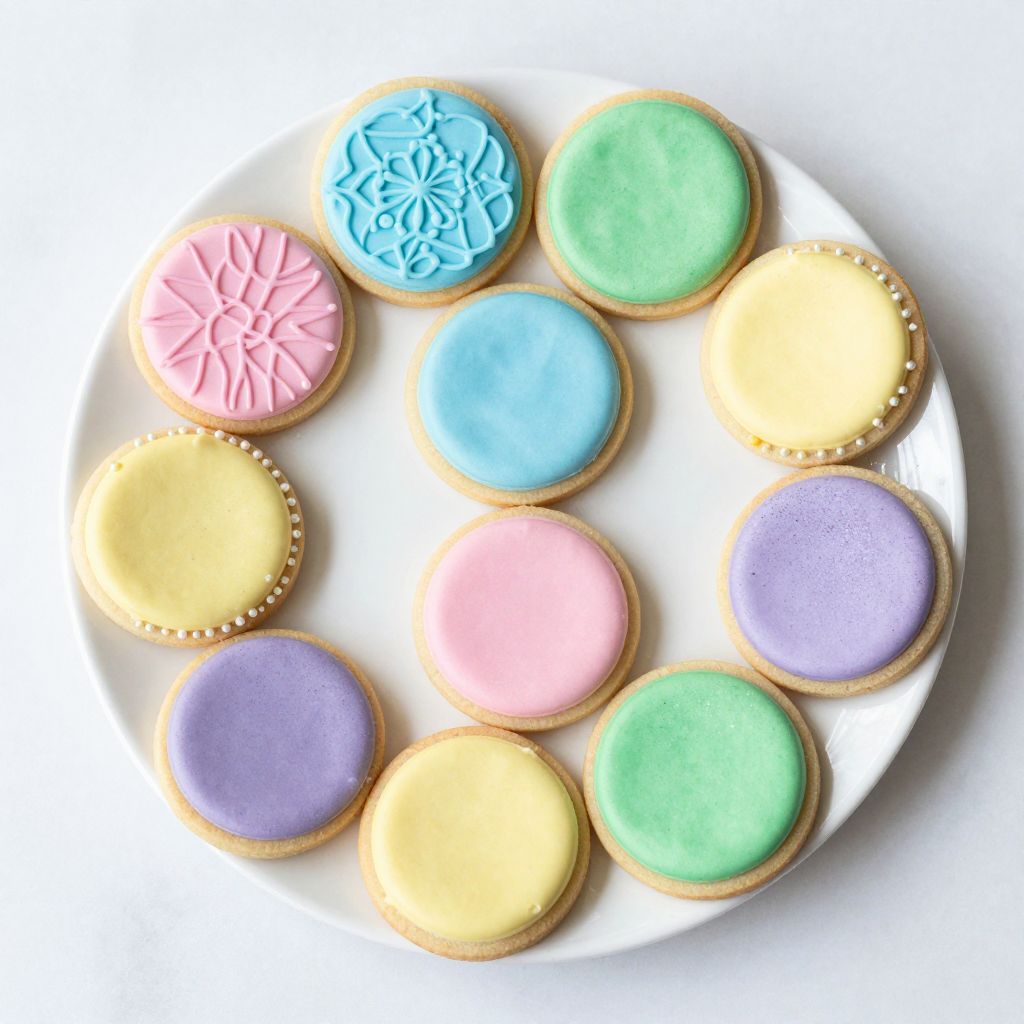
If you’re tinting the frosting, add gel food coloring one drop at a time, mixing thoroughly between additions until you achieve your desired shade. Gel colors work better than liquid because they don’t thin the frosting.
Remember that colors often deepen slightly as the frosting sits, so go a shade lighter than your target. You can always add more color, but you can’t take it away.
Pro Tip: Make your frosting the day before and store it covered in the refrigerator, then bring it to room temperature and re-whip it for 2 minutes before using. This resting period allows the flavors to meld and actually improves the texture.
Tips for the Best Sugar Cookie Frosting
- Always sift your powdered sugar to eliminate lumps that will ruin the smooth texture you’re working hard to create.
- Use clear vanilla extract instead of regular if you want pure white frosting, as regular vanilla adds a slight cream color.
- Keep a bowl of warm water nearby to dip your spreading knife or offset spatula in between cookies for smoother application.
- Don’t rush the butter creaming step because properly whipped butter creates frosting that’s easier to work with and prettier on the cookies.
- If the frosting becomes too soft while decorating, pop it in the refrigerator for 10 minutes to firm up again.
- Apply frosting to completely cooled cookies only, or the heat will melt the butter and cause the frosting to slide right off.
Common Mistakes to Avoid
- Using melted or too-soft butter creates greasy, soupy frosting that won’t hold its shape or pipe cleanly.
- Adding all the milk at once can make the frosting too thin, and it’s much harder to thicken frosting than to thin it.
- Skipping the sifting step leaves lumps in your frosting that look unprofessional and feel gritty when eaten.
- Not beating the frosting long enough results in dense, heavy texture instead of the light, fluffy consistency that makes this frosting special.
- Frosting warm cookies causes the butter to melt and creates a mess instead of the clean, pretty finish you want.
Serving Suggestions
This frosting pairs beautifully with any sugar cookie, but it also works wonderfully on other baked goods. The sweet vanilla flavor complements without competing.
- Classic cut-out sugar cookies for holidays like Christmas, Valentine’s Day, or Easter
- Simple round sugar cookies for everyday treats or lunch boxes
- Shortbread cookies when you want something a bit more buttery and sophisticated
- Graham crackers for a quick snack that kids absolutely love
- Vanilla cupcakes when you want a lighter frosting option than traditional buttercream
Variations to Try
- Almond frosting: Replace the vanilla extract with almond extract for a nutty, sweet flavor that tastes like wedding cake frosting.
- Lemon frosting: Add 1 tablespoon of fresh lemon juice and 1 teaspoon of lemon zest for a bright, citrusy twist that cuts through the sweetness.
- Peppermint frosting: Add 1/2 teaspoon of peppermint extract for a festive winter flavor that pairs perfectly with chocolate cookies.
- Cream cheese variation: Replace 2 tablespoons of butter with softened cream cheese for a tangier frosting with more depth.
- Chocolate frosting: Add 1/3 cup of cocoa powder with the powdered sugar and increase the milk to 4 tablespoons for rich chocolate flavor.
Dietary Adaptations
- Gluten-free: This frosting is naturally gluten-free, so no substitutions needed. Just make sure your cookies are gluten-free too.
- Dairy-free: Use vegan butter and non-dairy milk like almond or oat milk, though the flavor will be slightly less rich and creamy.
- Vegan: Substitute vegan butter and plant-based milk for a completely vegan frosting that still pipes and spreads beautifully.
- Low-carb/keto: Replace powdered sugar with powdered erythritol sweetener, though the texture will be slightly less smooth and the taste more cooling.
Storage and Reheating
Refrigerator
Store leftover frosting in an airtight container in the refrigerator for up to two weeks. Press plastic wrap directly onto the surface before sealing to prevent a crust from forming.
- Let it come to room temperature for 30 minutes before using
- Re-whip for 1 to 2 minutes to restore the fluffy texture
- Add a teaspoon of milk if it seems too stiff after refrigeration
Freezer
Freeze the frosting in an airtight container for up to three months. This is perfect for making large batches ahead of busy holiday seasons.
- Thaw overnight in the refrigerator before bringing to room temperature
- Re-whip thoroughly to restore texture and incorporate any separated liquid
- Check consistency and adjust with milk or powdered sugar as needed
Reheating
You don’t reheat this frosting, but you do need to bring it to proper temperature and texture. Cold frosting straight from the fridge is too stiff to work with.
- Leave at room temperature for 30 to 45 minutes
- Beat with a mixer for 2 minutes to restore fluffiness
- Never microwave, as this will melt the butter and ruin the texture
Nutrition Information
| Nutrient | Amount |
|---|---|
| Calories | 95 |
| Total Fat | 4g |
| Saturated Fat | 2.5g |
| Carbohydrates | 15g |
| Fiber | 0g |
| Sugar | 14g |
| Protein | 0g |
| Sodium | 25mg |
| Cholesterol | 10mg |
Nutritional values are approximate and based on one tablespoon of frosting. Actual values may vary depending on specific ingredients and portion sizes used.
Frequently Asked Questions
Can I make this frosting without a mixer?
Yes, but it requires significant arm strength and patience to achieve the same fluffy texture. Use a wooden spoon and beat vigorously for at least 10 minutes, making sure the butter is very soft before starting.
How far in advance can I make this frosting?
You can make it up to two weeks ahead if refrigerated or three months ahead if frozen. Just remember to bring it to room temperature and re-whip before using for the best texture.
Why is my frosting too runny?
You likely added too much milk or your butter was too warm and melty. Add more powdered sugar a tablespoon at a time, or refrigerate for 15 minutes to firm up the butter.
How do I get the frosting smooth without lumps?
Always sift your powdered sugar before adding it to the butter, and beat the frosting for the full recommended time. If lumps persist, push the frosting through a fine-mesh strainer.
Can I use this frosting for piping detailed designs?
Absolutely, just use less milk to create a stiffer consistency that holds sharp edges and fine details. The frosting should hold a stiff peak when you lift the beaters straight up.
Will this frosting harden completely?
It will form a light crust on the outside after a few hours, making cookies stackable, but it stays soft inside. It never hardens completely like royal icing does.
Final Thoughts
This sugar cookie frosting recipe delivers consistent, beautiful results every single time you make it. The simple ingredient list and straightforward method mean you can whip up a batch whenever the cookie-decorating mood strikes.
Give this recipe a try for your next batch of sugar cookies, and I think you’ll find it becomes your go-to frosting. The compliments you’ll receive are just the icing on the cookie, so to speak.
Sugar Cookie Frosting
Ingredients
Equipment
Method
- Let your butter sit at room temperature for about 30 minutes until it's soft enough to leave an indent when pressed but not greasy or melted. Cut the butter into chunks.
- Place the softened butter in your mixing bowl and beat it on medium speed for about 2 minutes until it becomes pale and fluffy. Scrape down the sides of the bowl with your rubber spatula.
- Add the sifted powdered sugar one cup at a time, mixing on low speed after each addition to prevent a sugar cloud. After adding all the sugar, the mixture will look dry and crumbly.
- Pour in the vanilla extract and add the pinch of salt, then mix on low speed until combined.
- Add 2 tablespoons of milk and beat on medium speed for about 2 minutes until the frosting becomes light and fluffy. If the frosting seems too thick, add the additional tablespoon of milk one teaspoon at a time until you reach your desired consistency.
- Increase the mixer speed to medium-high and beat for another 2 to 3 minutes until the frosting is noticeably lighter in color and texture.
- Test the frosting consistency by spreading a small amount on a cookie or the back of a spoon. Add more powdered sugar a tablespoon at a time to thicken, or more milk a teaspoon at a time to thin.
- If you're tinting the frosting, add gel food coloring one drop at a time, mixing thoroughly between additions until you achieve your desired shade.
- Use immediately to frost completely cooled cookies, or store covered in the refrigerator for up to two weeks.