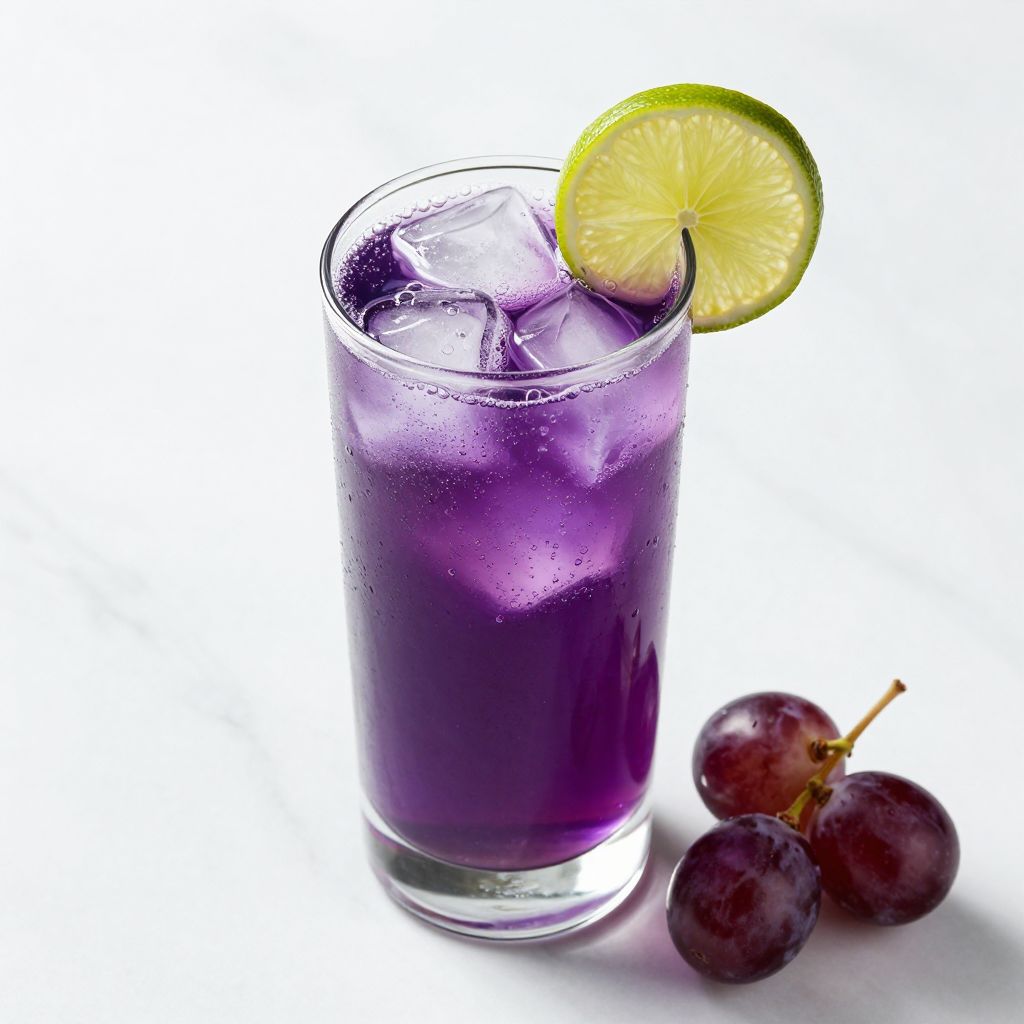
Transfusion drink recipe delivers the perfect balance of grape sweetness, ginger spice, and vodka bite that makes it the unofficial king of the golf course cocktail. This refreshing highball takes about two minutes to make and tastes like you spent far longer on it.
Whether you’re hosting a backyard tournament watch party or just need something cold after mowing the lawn, this drink earns its spot in your rotation. Let me show you exactly how to nail it every time.
What Makes This Recipe Worth Your Time
Most cocktails require a shopping list and a bartending degree, but the transfusion proves that simple ingredients mixed right can beat anything fancy. This is the drink that converts people who think they don’t like vodka cocktails.
- Four ingredients and zero complicated techniques mean you can make a round for friends in under five minutes
- Perfectly balanced sweet, tart, and spicy notes that refresh without overwhelming your palate
- Budget friendly at roughly two dollars per drink using quality ingredients from any grocery store
- Crowd pleasing flavor profile that works for vodka lovers and skeptics alike
- Endlessly adaptable to your personal taste with simple ratio adjustments
A Little Background on This Dish
The transfusion emerged from American golf club culture sometime in the mid-twentieth century, though nobody can pin down exactly who invented it or where. Country clubs across the South and Midwest all claim some version of the origin story, which tells you how beloved this drink became in those circles.
The name likely comes from the drink’s reputation as a hangover cure or a way to revive yourself after a rough back nine. Grape juice mixed with ginger ale was already a popular non-alcoholic refresher, and adding vodka turned it into the perfect nineteenth hole reward.
My Experience With This Recipe
I first encountered this drink at a charity golf scramble about fifteen years ago, and I’ll admit I was skeptical when someone handed me a purple cocktail. One sip changed my mind completely, and I spent the rest of the afternoon pestering the beverage cart attendant for the recipe.
My early attempts at home were disasters because I kept using the wrong grape juice and drowning everything in cheap ginger ale. The drink tasted like cough syrup mixed with flat soda until I figured out the ratio and switched to proper ginger beer for that spicy kick.
The first time I got it right, my wife actually stopped mid-conversation and asked what I was drinking because the smell of fresh lime and ginger caught her attention from across the kitchen. That batch disappeared faster than any cocktail I’ve ever made at home.
Before You Start: Key Things to Know
This recipe suits absolute beginners and experienced home bartenders equally well. The only challenge is getting the ratios right for your personal taste and resisting the urge to skip the fresh lime.
- Difficulty level: Beginner friendly with no special skills required
- Active time vs passive time: Two minutes of active mixing with no waiting required
- Most important equipment: A proper jigger for accurate measurements makes the difference between balanced and sloppy
- Step requiring most attention: Building the drink in the right order ensures proper mixing without dilution
Recipe at a Glance
- Recipe Name: Transfusion Drink
- Yield: 1 cocktail
- Prep Time: 2 minutes
- Cook Time: 0 minutes
- Total Time: 2 minutes
- Difficulty: Beginner
- Course: Cocktail
- Cuisine: American
- Calories per Serving: 180
How to Source the Best Ingredients
The transfusion lives or dies by ingredient quality, and since there are only four components, each one matters enormously. Cheap substitutions show up immediately in the final glass.
- Vodka: Choose a clean, neutral vodka without harsh alcohol burn; mid-shelf brands like Tito’s or Ketel One work perfectly
- Grape juice: Look for 100% Concord grape juice with no added sugar; Welch’s is the classic choice and widely available
- Ginger beer: Select a ginger beer (not ginger ale) with real ginger and visible spice; Fever Tree or Bundaberg deliver excellent heat
- Lime: Buy firm, heavy limes with glossy skin and no soft spots; they should feel dense for their size
Ingredients for Transfusion Drink
- 2 ounces vodka
- 3 ounces Concord grape juice
- 3 ounces ginger beer
- 1/2 ounce fresh lime juice (about half a lime)
- Ice cubes for serving
- Lime wedge for garnish
- Fresh grapes for garnish (optional)
Smart Substitutions and Swaps
- Vodka provides the alcoholic base and neutral spirit canvas for other flavors. Substitute gin for a more botanical version, or use non-alcoholic spirit for a mocktail with minimal flavor change.
- Concord grape juice delivers the signature sweetness and purple color. White grape juice creates a lighter drink, though you lose the classic appearance and some depth.
- Ginger beer adds carbonation and spicy bite that balances the sweetness. Ginger ale works in a pinch but produces a much milder, less complex drink.
- Fresh lime juice cuts through sweetness and brightens every other flavor. Bottled lime juice functions adequately, but fresh produces noticeably better results.
- Ice cubes chill and slightly dilute the drink to proper sipping strength. Use larger cubes if you drink slowly to minimize watering down.
Tools and Equipment You Will Need
Gather everything before you start mixing so the drink comes together quickly while the ginger beer still has full carbonation. Having your tools ready prevents that sad, flat cocktail nobody wants.
- Jigger or measuring shot glass (ensures consistent ratios every time)
- Highball glass or Collins glass (the tall shape showcases the color and holds proper ice)
- Citrus juicer or reamer (extracts maximum juice with minimum effort)
- Bar spoon or long handled spoon (reaches the bottom for gentle stirring)
- Sharp knife for cutting garnish
- Cutting board
How to Make Transfusion Drink
Read through all the steps before you begin and make sure your lime is juiced and your ginger beer is cold. The key to a perfect transfusion is building it in the right order and working quickly once you open that carbonated bottle.
Step 1: Chill Your Glass
Place your highball glass in the freezer for at least five minutes, or fill it with ice water and let it sit while you prep. A cold glass keeps your drink colder longer and prevents immediate ice melt.
This step matters because warm glass raises the drink temperature instantly, causing faster dilution and flat ginger beer. You want every sip as refreshing as the first.
Your glass is ready when it feels cold to the touch and shows light condensation on the outside.
Step 2: Juice Your Lime
Cut a fresh lime in half and juice one half into a small bowl or directly into your jigger. You need half an ounce, which is roughly one tablespoon or the yield from half a medium lime.
Fresh lime juice contains oils and brightness that bottled juice loses during processing. Those volatile compounds make the difference between a good transfusion and a great one.
The juice should look slightly cloudy with tiny pulp particles visible.
Step 3: Empty and Fill Your Glass with Ice
Dump out the ice water from your chilled glass and immediately fill it with fresh ice cubes to about three quarters full. Use standard ice cubes rather than crushed ice for slower dilution.
Fresh ice prevents any water from the chilling process from diluting your carefully measured ingredients. The ice quantity affects how cold the drink stays and how quickly flavors meld.
The ice should reach just below where the drink will end up after all ingredients are added.
Step 4: Add the Vodka
Measure exactly two ounces of vodka using your jigger and pour it directly over the ice. Let it settle for a moment before adding other ingredients.
Adding vodka first allows the alcohol to begin chilling immediately and creates a base layer that mixes evenly with subsequent additions. Pouring over ice also slightly dilutes and softens the spirit’s edge.
You should see the vodka pool at the bottom of the glass beneath the ice.
Step 5: Add the Grape Juice
Measure three ounces of Concord grape juice and pour it slowly over the ice and vodka. Watch the purple color sink and begin mixing with the clear spirit.
Grape juice provides the signature sweetness and color that defines a transfusion. The sugar content balances the alcohol burn and works with the lime acid to create a rounded flavor profile.
The liquid should turn a deep purple as the grape juice incorporates with the vodka.
Step 6: Add the Fresh Lime Juice
Pour your measured half ounce of fresh lime juice into the glass. The citrus will begin cutting through the grape sweetness immediately.
Lime juice serves as the acid component that brightens flavors and prevents the drink from tasting cloying. Without it, the transfusion becomes a one-note sweet beverage.
You may notice slight separation as the acidic lime interacts with the grape juice.
Step 7: Open the Ginger Beer
Open your ginger beer bottle or can right before you need it, never in advance. Cold ginger beer straight from the refrigerator gives you maximum carbonation.
Carbonation begins escaping the moment you break the seal, so timing matters for that lively effervescence. Flat ginger beer produces a dull, lifeless cocktail.
You should hear a satisfying hiss and see active bubbles when you open a properly carbonated bottle.
Step 8: Add the Ginger Beer
Measure three ounces of ginger beer and pour it gently down the inside of the glass, not directly onto the ice. This preserves more carbonation than pouring from height.
The ginger beer adds both carbonation and spicy heat that gives the transfusion its refreshing character. Pouring gently prevents the bubbles from dissipating on impact.
Watch for active bubbling and notice how the drink lightens slightly in color as the ginger beer incorporates.
Step 9: Stir Gently
Insert your bar spoon to the bottom of the glass and give three to four gentle stirs, lifting slightly as you go. You want to integrate the layers without destroying the carbonation.
Stirring ensures every sip contains the same balanced flavor rather than tasting vodka at the bottom and grape juice at the top. Aggressive stirring releases too much carbonation.
The drink should appear uniformly purple with active bubbles still rising throughout.
Step 10: Cut and Add Garnish
Cut a fresh lime wedge from your remaining lime half, making a small notch in the flesh so it sits on the glass rim. Place it on the edge of your glass.
Garnish adds visual appeal and gives the drinker a final burst of lime aroma with every sip. The wedge also allows adjustment if someone wants more citrus.
Your garnish should sit securely without falling into the drink.
Step 11: Optional Grape Garnish
Thread two or three fresh grapes onto a cocktail pick and rest it across the top of the glass. This adds elegance for special occasions.
Grape garnish reinforces the drink’s identity and gives guests something to snack on after finishing. It’s purely aesthetic but makes the presentation memorable.
The grapes should be firm and match the purple color of the drink.
Step 12: Serve Immediately
Hand the drink to your guest or take your first sip within thirty seconds of finishing. Transfusions are best enjoyed fresh when the carbonation peaks and the temperature hits its coldest point.
Every minute of delay means more dilution and less fizz. This cocktail rewards immediate consumption over lingering conversation.
The first sip should hit your palate with cold, fizzy, sweet, sour, and spicy notes in rapid succession.
Pro Tip: Make a batch version by multiplying all ingredients except the ginger beer, mixing them in a pitcher, and adding individual portions of ginger beer to each glass at serving time to preserve maximum carbonation.
The Science Behind the Technique
The transfusion achieves perfect balance through the interplay of sweet, sour, and spicy compounds hitting different taste receptors simultaneously. Grape juice delivers fructose that your tongue perceives as sweetness, while lime juice provides citric acid that activates sour receptors and makes the sweetness feel lighter.
Ginger beer contains gingerol, the compound responsible for ginger’s characteristic heat, which triggers mild pain receptors and creates a refreshing sensation similar to menthol. This spicy element cuts through both the sugar and alcohol, making the drink feel cleaner and more thirst-quenching than the sum of its parts.
Chef Note: The carbonation in ginger beer also physically lifts aromatic compounds toward your nose, intensifying flavor perception with every sip.
Tips for Getting It Right Every Time
- Measure precisely rather than eyeballing, because the ratio of sweet to sour to spicy makes or breaks this drink.
- Use real ginger beer instead of ginger ale for authentic spicy heat that balances the grape sweetness properly.
- Juice limes fresh right before mixing, as the volatile compounds that make lime juice special dissipate within hours.
- Keep everything cold including the grape juice, vodka, and glass to minimize ice dilution.
- Build in order with spirits first and carbonation last to maintain fizz throughout the drink.
- Stir gently with a lifting motion rather than aggressive circular stirring to preserve bubbles.
Mistakes That Will Ruin Your Dish
- Using ginger ale instead of ginger beer produces a cloyingly sweet drink without the spicy kick that defines a proper transfusion.
- Skipping the fresh lime results in a one-dimensional sugary cocktail that tastes like spiked grape soda.
- Letting ginger beer go flat before adding it creates a dull, lifeless drink that loses its refreshing character entirely.
- Over-stirring aggressively destroys the carbonation and leaves you with a still, boring beverage.
- Using grape drink instead of juice adds artificial flavors and excessive sugar that throw off the entire balance.
Make Ahead and Meal Prep Tips
Transfusions work beautifully for entertaining when you prep the base mixture in advance. The key is adding carbonation at the last moment so each drink has full fizz.
- Vodka and grape juice base can be mixed together up to 24 hours ahead and stored covered in the refrigerator.
- Fresh lime juice holds its brightness for about 4 hours refrigerated; juice it the morning of your event for best results.
- Garnishes can be cut and stored in an airtight container up to 8 hours before serving.
- Batch mixing works for everything except the ginger beer, which must be added to individual glasses at serving time.
What to Serve With Transfusion Drink
The transfusion works best as a warm weather cocktail alongside casual outdoor food or as a refreshing drink with light appetizers. It pairs naturally with anything you’d serve at a backyard gathering or watching golf on television.
- Grilled chicken wings complement the drink’s sweetness while the lime cuts through any char or smoke.
- Cheese and crackers provide a neutral backdrop that lets the cocktail flavors shine.
- Fresh fruit platter echoes the grape notes and keeps the entire spread feeling light and refreshing.
- Pulled pork sliders pair well because the ginger spice matches barbecue seasonings beautifully.
- Mixed nuts offer salty contrast that makes you reach for another sip.
Drink Pairings
If someone in your group doesn’t want a transfusion, suggest a crisp lager or a light white wine that matches the cocktail’s refreshing character. You want drinks that share the same easy drinking quality.
- Wine: Moscato or Riesling with their fruity sweetness echo the grape notes without competing
- Beer: Light pilsner or wheat beer with citrus notes complements the cocktail’s refreshing profile
- Non-alcoholic: Sparkling grape juice with lime and ginger beer creates a perfect mocktail version
- Hot drink: Save the hot beverages for another occasion; this cocktail belongs to warm weather exclusively
Flavour Variations Worth Trying
- Spicy Transfusion: Add two dashes of hot sauce or muddle a thin jalapeño slice into the glass before building. The heat amplifies the ginger and adds complexity.
- White Grape Transfusion: Swap Concord grape juice for white grape juice for a lighter colored, slightly less sweet version. Perfect when you want something more subtle.
- Bourbon Transfusion: Replace vodka with bourbon for a richer, more complex cocktail with caramel undertones. The grape and whiskey combination works surprisingly well.
- Frozen Transfusion: Blend all ingredients with a cup of ice for a slushy version perfect for extremely hot days. Reduce the ginger beer slightly to maintain flavor concentration.
- Sparkling Wine Transfusion: Substitute champagne or prosecco for the vodka and reduce the ginger beer. This creates an elegant brunch cocktail.
How to Adapt This Recipe for Your Diet
- Gluten-free: This recipe is naturally gluten-free when using certified gluten-free vodka and ginger beer. Most grape juices are also gluten-free, but check labels if highly sensitive.
- Dairy-free: The transfusion contains no dairy whatsoever, making it suitable for any dairy-free diet without modification.
- Vegan: All standard ingredients are plant-based and vegan-friendly. No animal products appear in a traditional transfusion.
- Low-carb or keto: Substitute grape-flavored water enhancer and diet ginger beer for a drastically reduced sugar version. Flavor suffers somewhat, but the drink remains recognizable.
- High-protein: Cocktails aren’t protein sources, but pairing with protein-rich snacks makes this work within a high-protein diet framework.
How to Store and Reheat
In the Refrigerator
Transfusions don’t store well once mixed because the carbonation dissipates within minutes. If you must save a premixed base, store it without the ginger beer in a sealed container for up to 24 hours.
- Cover tightly to prevent oxidation of the lime juice
- Add fresh ginger beer when ready to serve and expect slightly muted flavors
In the Freezer
The alcohol content prevents proper freezing, but you can freeze the grape juice and lime mixture in ice cube trays for a concentrated base. These cubes last up to one month.
- Pop frozen cubes into a glass and add vodka and ginger beer for a self-chilling drink
- Label clearly so nobody mistakes them for regular ice cubes
Reheating
Cocktails are served cold and never reheated. If a transfusion gets warm, it’s best to start fresh rather than attempting to revive it.
- Adding ice: Fresh ice can chill a slightly warm drink but adds dilution
- Refrigeration: Chilling a flat transfusion restores temperature but not carbonation
- Starting over: The two-minute prep time makes a new drink faster than salvaging an old one
Cost Breakdown
Making transfusions at home costs a fraction of bar prices, and you can make dozens of drinks from a single shopping trip. The investment in a good bottle of vodka pays off across many cocktails.
| Ingredient | Estimated Cost |
|---|---|
| Vodka (2 oz) | $1.00 |
| Grape juice (3 oz) | $0.30 |
| Ginger beer (3 oz) | $0.60 |
| Fresh lime (1/2) | $0.25 |
| Garnish | $0.10 |
| Total Per Serving | $2.25 |
Nutrition Information
| Nutrient | Amount |
|---|---|
| Calories | 180 |
| Total Fat | 0g |
| Saturated Fat | 0g |
| Trans Fat | 0g |
| Cholesterol | 0mg |
| Sodium | 10mg |
| Total Carbohydrates | 22g |
| Dietary Fiber | 0g |
| Total Sugars | 20g |
| Added Sugars | 8g |
| Protein | 0g |
| Vitamin D | 0mcg |
| Calcium | 10mg |
| Iron | 0.3mg |
| Potassium | 120mg |
Nutritional values are estimates based on standard ingredients and may vary depending on specific brands and exact measurements used.
Frequently Asked Questions
Can I use ginger ale instead of ginger beer?
You can, but the drink loses its characteristic spicy bite and becomes much sweeter. Ginger beer provides the authentic flavor profile that makes a transfusion special.
Can I make transfusions ahead of time for a party?
Mix the vodka, grape juice, and lime juice in a pitcher up to 24 hours ahead, then add ginger beer to individual glasses at serving time. This preserves the carbonation that makes the drink refreshing.
How long does a mixed transfusion stay good?
Once fully mixed, drink it within 15 minutes for best results. After that, the carbonation fades and the ice dilutes the flavors beyond their intended balance.
Why does my transfusion taste too sweet?
The most common cause is using ginger ale instead of ginger beer, or skipping the fresh lime juice. Both problems remove the tart and spicy elements that balance the grape sweetness.
Can I double or triple this recipe easily?
Multiply everything proportionally, but mix in a pitcher and add ginger beer to individual servings. The ratio scales perfectly for batch cocktails.
What’s the difference between a transfusion and a grape crush?
A transfusion uses ginger beer for spicy effervescence, while a grape crush typically uses lemon-lime soda. The ginger element defines the transfusion’s unique character.
Can I make this as a frozen drink?
Blend all ingredients with one cup of ice and reduce the ginger beer by half to compensate for the ice volume. The slushy version works great for hot summer days.
My Final Word
The transfusion earned its reputation as the perfect golf course cocktail for good reason: it’s refreshing, balanced, and takes almost no effort to make well. That combination of grape sweetness, ginger heat, and lime brightness hits differently than any other highball I know.
I’ve tested this ratio dozens of times over the years, adjusting small details until it worked consistently every single time. Give it a try exactly as written first, then make it your own once you understand how the flavors interact.
Let me know how yours turns out in the comments, and tag us on social media if you serve these at your next backyard gathering. I’d love to see your versions and hear about any tweaks that worked for your taste.
Transfusion Drink
The classic golf course cocktail featuring the perfect balance of grape sweetness, ginger spice, and vodka bite. This refreshing highball takes just two minutes to make and delivers sweet, tart, and spicy notes that refresh without overwhelming your palate.
- Jigger or measuring shot glass
- Highball glass or Collins glass
- Citrus juicer or reamer
- Bar spoon or long handled spoon
- Sharp knife
- Cutting board
Main
- 2 ounces vodka
- 3 ounces Concord grape juice
- 3 ounces ginger beer
- 1/2 ounce fresh lime juice (about half a lime)
- Ice cubes for serving
- Lime wedge for garnish
- Fresh grapes for garnish (optional)
- Place your highball glass in the freezer for at least five minutes, or fill it with ice water and let it sit while you prep.
- Cut a fresh lime in half and juice one half to get 1/2 ounce (about 1 tablespoon) of fresh lime juice.
- Empty the ice water from your chilled glass and immediately fill it with fresh ice cubes to about three quarters full.
- Measure exactly 2 ounces of vodka using your jigger and pour it directly over the ice.
- Measure 3 ounces of Concord grape juice and pour it slowly over the ice and vodka.
- Pour your measured 1/2 ounce of fresh lime juice into the glass.
- Open your cold ginger beer right before adding it to preserve maximum carbonation.
- Measure 3 ounces of ginger beer and pour it gently down the inside of the glass, not directly onto the ice.
- Insert your bar spoon to the bottom of the glass and give 3-4 gentle stirs, lifting slightly as you go to integrate the layers without destroying the carbonation.
- Cut a fresh lime wedge, make a small notch in the flesh, and place it on the rim of the glass. Optionally, thread 2-3 fresh grapes onto a cocktail pick and rest across the top.
- Serve immediately within 30 seconds of finishing for maximum carbonation and coldest temperature.
For batch preparation, mix the vodka, grape juice, and lime juice in a pitcher up to 24 hours ahead, then add ginger beer to individual glasses at serving time. Use real ginger beer instead of ginger ale for authentic spicy heat. The drink is best enjoyed within 15 minutes of mixing before carbonation fades.