
Picture this: a rich, velvety sauce that transforms every dish it touches into a culinary masterpiece. That’s the magic of espagnole sauce, a classic French sauce that serves as a base for many other sauces and dishes. It has a deep, complex flavor that’s perfect for enhancing meats and vegetables alike. Plus, it’s surprisingly versatile, allowing you to create countless variations and pairings. Ready to dive into making this culinary staple? Let’s gather our ingredients and get started!
Why You’ll Love This Recipe
This sauce is a game changer for your cooking repertoire. It adds depth and richness to a variety of dishes.
- Deep, complex flavor that enhances dishes.
- Versatile base for many sauces.
- Perfect for both home cooking and special occasions.
- Simple ingredients that pack a punch.
- Great for meal prepping and freezing.
My Experience Making This Recipe
The first time I made espagnole sauce, I was amazed at how a few simple ingredients transformed into something so luxurious. As it simmered on the stove, the aroma filled my kitchen, making me feel like a professional chef.
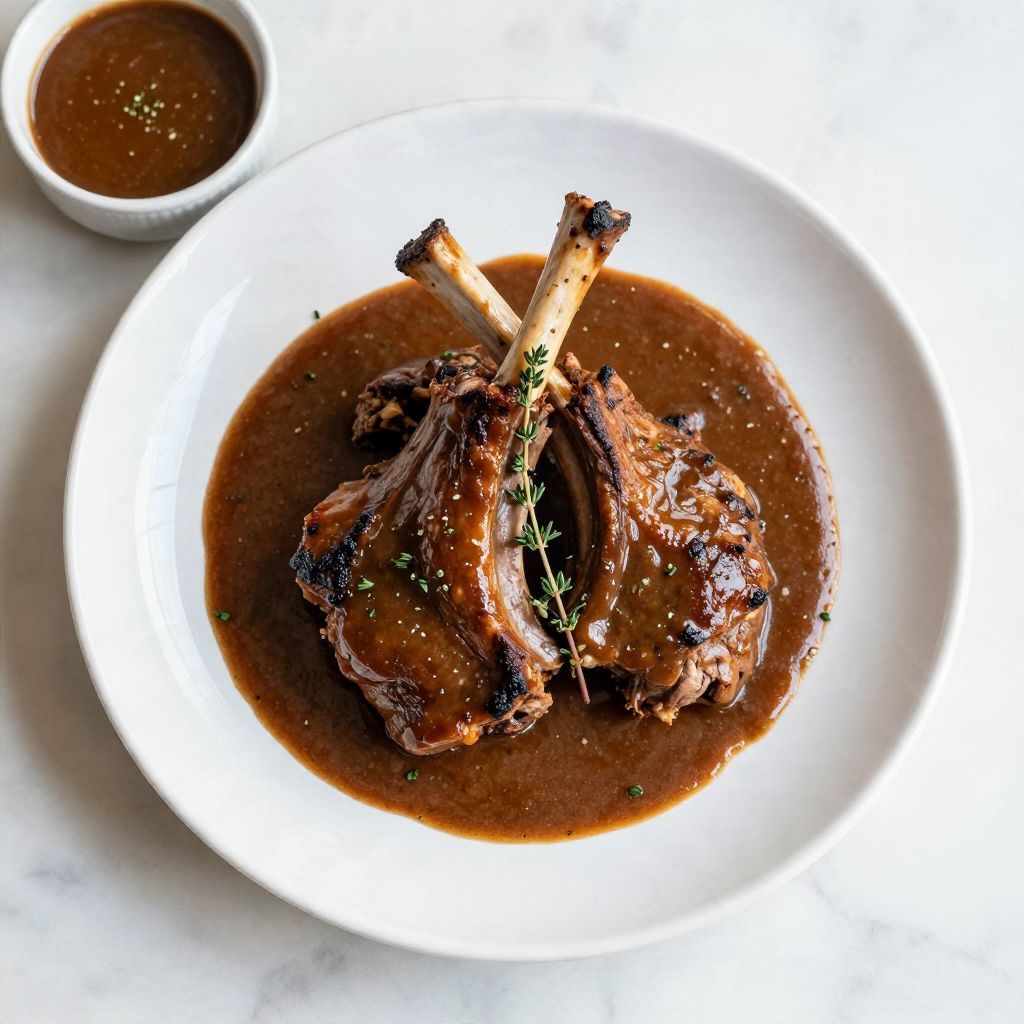
When I served it over roasted lamb, my friends couldn’t stop raving about the flavor. It was an unforgettable moment that made me realize the power of a well-made sauce.
Recipe Overview
- Recipe Name: Espagnole Sauce
- Servings: 4
- Prep Time: 15 minutes
- Cook Time: 1 hour
- Total Time: 1 hour 15 minutes
- Course: Sauce
- Cuisine: French
- Calories per Serving: 100
Equipment You Will Need
- Heavy-bottomed saucepan
- Wooden spoon or whisk
- Strainer or cheesecloth
- Measuring cups and spoons
- Cutting board and knife
Ingredients for Espagnole Sauce
- 2 tablespoons olive oil
- 1/4 cup finely chopped onion
- 1/4 cup finely chopped carrot
- 1/4 cup finely chopped celery
- 2 tablespoons tomato paste
- 1/4 cup all-purpose flour
- 4 cups beef stock
- 1 bay leaf
- 1 teaspoon thyme
- Salt and pepper to taste
Ingredient Notes and Substitutions
- Olive oil: Adds richness and flavor; you can use butter as a substitute for a creamier texture.
- Onion, carrot, and celery: These mirepoix ingredients create a flavor base; leeks or shallots can be used instead.
- Tomato paste: Provides depth; you can use crushed tomatoes in a pinch.
- Beef stock: The foundation of the sauce; vegetable stock works for a lighter version.
How to Make Espagnole Sauce
Step 1: Heat the Oil
In a heavy-bottomed saucepan, heat the olive oil over medium heat. This step helps to develop the flavors right from the start.
Step 2: Sauté the Vegetables
Add the chopped onion, carrot, and celery to the pot. Sauté until they become tender and fragrant, about 5 to 7 minutes.
Step 3: Add Tomato Paste
Stir in the tomato paste and cook for another 2 minutes. This intensifies the sauce’s flavor by caramelizing the sugars in the paste.
Step 4: Make the Roux
Sprinkle the flour over the vegetable mixture and stir constantly for about 2 minutes. This creates a roux that thickens the sauce later.
Step 5: Incorporate the Stock
Slowly whisk in the beef stock, making sure there are no lumps. This ensures a smooth, velvety sauce.
Step 6: Add Herbs and Seasoning
Add the bay leaf and thyme, then season with salt and pepper. These herbs will infuse the sauce with aromatic flavors.
Step 7: Simmer the Sauce
Bring the sauce to a gentle simmer and reduce the heat to low. Let it cook uncovered for about 45 minutes, allowing the flavors to meld.
Step 8: Strain the Sauce
Once it has thickened, strain the sauce through a fine sieve or cheesecloth. This step removes any solids, giving you a smooth finish.
Pro Tip: Don’t rush the simmering process; letting the sauce cook slowly builds incredible flavor.
Tips for the Best Espagnole Sauce
- Use fresh herbs for a more vibrant flavor.
- Adjust the seasoning gradually; taste as you go.
- For a deeper color, let the roux cook longer before adding stock.
- Store leftovers in an airtight container for a rich addition to future meals.
- Try making a larger batch to freeze for later use.
Common Mistakes to Avoid
- Not cooking the roux long enough can lead to a raw flour taste.
- Rushing the simmering process will result in muted flavors.
- Over-seasoning early can make the sauce too salty; adjust at the end.
- Skimming the fat off the stock before adding can reduce richness.
Serving Suggestions
This sauce pairs beautifully with meats and vegetables. Here are a few ideas to try.
- Serve over roasted beef or lamb.
- Drizzle on grilled vegetables for added depth.
- Use it as a base for a rich braise.
- Combine with red wine for a luxurious sauce.
Variations to Try
- Swap beef stock for chicken stock for a lighter sauce.
- Add red wine for a richer flavor profile.
- Incorporate mushrooms for an earthy twist.
- Use fresh herbs like rosemary for a different aromatic touch.
Dietary Adaptations
- Gluten-free: Use cornstarch instead of flour for thickening.
- Dairy-free: This recipe is naturally dairy-free.
- Vegan/Vegetarian: Substitute with vegetable stock and skip the meat.
- Low-carb/Keto: Use a low-carb thickener instead of flour.
Storage and Reheating
Refrigerator
Store the sauce in an airtight container in the fridge for up to 4 days.
- Cool the sauce completely before refrigerating.
- Reheat gently on the stove over low heat.
Freezer
You can freeze espanol sauce for up to 3 months.
- Portion it into freezer-safe bags or containers.
- Label with the date for easy tracking.
Reheating
Thaw the sauce overnight in the fridge before reheating.
- Reheat gently on the stovetop, stirring frequently.
- Add a splash of stock if it’s too thick after freezing.
Nutrition Information
| Nutrient | Amount |
|---|---|
| Calories | 100 |
| Total Fat | 5g |
| Saturated Fat | 1g |
| Carbohydrates | 10g |
| Fiber | 2g |
| Sugar | 2g |
| Protein | 3g |
| Sodium | 200mg |
| Cholesterol | 0mg |
This nutritional information is estimated and may vary based on ingredients used.
Frequently Asked Questions
Can I substitute the beef stock?
Yes, vegetable stock can be used for a lighter version of the sauce.
Can I make this sauce ahead of time?
Absolutely! It can be made and stored in the refrigerator or freezer.
What if my sauce is too thick?
Add a little stock or water to loosen it to your desired consistency.
How can I prevent lumps in my sauce?
Whisk vigorously when adding the stock to incorporate it smoothly.
Can I add wine to this sauce?
Yes, adding red wine can enhance the flavor dramatically.
Final Thoughts
Making your own espagnole sauce is a rewarding experience that elevates any meal. Give it a try, and you might just find yourself making it a staple in your kitchen.
For more delicious sauces, check out my Mornay Sauce Recipe or my Pomodoro Sauce Recipe. Happy cooking!
Espagnole Sauce
Ingredients
Equipment
Method
- In a heavy-bottomed saucepan, heat the olive oil over medium heat.
- Add the chopped onion, carrot, and celery to the pot. Sauté until tender, about 5 to 7 minutes.
- Stir in the tomato paste and cook for another 2 minutes.
- Sprinkle the flour over the vegetable mixture and stir constantly for about 2 minutes.
- Slowly whisk in the beef stock, ensuring no lumps remain.
- Add the bay leaf and thyme, then season with salt and pepper.
- Bring the sauce to a gentle simmer and reduce heat to low. Cook uncovered for about 45 minutes.
- Once thickened, strain the sauce through a fine sieve or cheesecloth.