
Picture this: a golden, crispy layer on top, revealing velvety potato goodness underneath. The potato pave is a stunning dish that elevates humble potatoes into a show-stopping side, perfect for dinner parties or cozy family meals.
This recipe is special because it combines elegant presentation with comforting flavors. Its rich texture and buttery taste will have everyone reaching for seconds, and it’s surprisingly simple to make, allowing you to impress your guests without the stress.
Why You’ll Love This Recipe
This dish is a delightful fusion of comfort and sophistication.
- Decadent layers of creamy potatoes.
- Golden and crisp exterior for a delightful contrast.
- Easy to prepare in advance for stress-free entertaining.
- Versatile enough to accompany any main course.
- Perfect for using up leftover potatoes.
My Experience Making This Recipe
When I first attempted this potato pave, I was skeptical about achieving that perfect balance of crispy and creamy. But as I sliced into the finished product, the layers revealed themselves beautifully, and the aroma filled my kitchen.
My family raved about it, and I was thrilled to serve something that felt so gourmet yet was straightforward to make. I can confidently say it’s become a staple in our household since then.
Recipe Overview
- Recipe Name: Potato Pave
- Servings: 6
- Prep Time: 20 minutes
- Cook Time: 1 hour
- Total Time: 1 hour 20 minutes
- Course: Side Dish
- Cuisine: French
- Calories per Serving: 250
Equipment You Will Need
- 9×9-inch baking dish or similar
- Sharp knife or mandoline
- Mixing bowl
- Oven mitts
- Aluminum foil
Ingredients for Potato Pave
- 2 pounds Yukon Gold potatoes, peeled and thinly sliced
- 1 cup heavy cream
- 1 cup whole milk
- 4 tablespoons unsalted butter, melted
- 1 teaspoon salt
- 1 teaspoon black pepper
- 1 teaspoon fresh thyme, chopped (optional)
Ingredient Notes and Substitutions
- Yukon Gold potatoes: They add a wonderful creaminess. Substitute with Russet potatoes for a drier texture.
- Heavy cream: It provides richness to the dish. Use half-and-half for a lighter option.
- Whole milk: It balances the creaminess. Almond milk can work as a dairy-free alternative.
- Unsalted butter: It enhances flavor without added salt. Coconut oil can be used for a dairy-free version.
- Fresh thyme: It adds a nice herbal touch. Dried thyme can be substituted if fresh isn’t available.
How to Make Potato Pave
Step 1: Preheat the Oven
Start by preheating your oven to 375°F (190°C). This ensures even cooking and helps achieve that golden crust.
Step 2: Prepare the Baking Dish
Grease your baking dish with butter to prevent sticking. This step is crucial for an easy release of the baked potatoes.
Step 3: Mix the Cream and Milk
In a mixing bowl, combine the heavy cream, milk, melted butter, salt, pepper, and thyme. This mixture will coat the potatoes, adding moisture and flavor.
Step 4: Layer the Potatoes
Begin layering half of the potato slices in the bottom of the dish. Overlapping them slightly creates a beautiful, cohesive layer.
Step 5: Add the Cream Mixture
Pour half of the cream mixture over the first layer of potatoes. This helps to infuse flavor and moisture throughout the layers.
Step 6: Repeat the Layers
Add the remaining potato slices on top, followed by the rest of the cream mixture. This layering technique ensures every bite is rich and satisfying.
Step 7: Cover and Bake
Cover the dish with aluminum foil and bake for 45 minutes. This step allows the potatoes to cook through without browning too quickly.
Step 8: Uncover and Brown
Remove the foil and bake for an additional 15 minutes or until the top is golden brown and crispy. This final step gives you that delicious contrast in textures.
Pro Tip: Let the potato pave rest for 10 minutes before slicing; it helps the layers hold together better.
Tips for the Best Potato Pave
- Slice your potatoes thinly for even cooking. A mandoline works wonders here.
- Let the cream mixture sit for a few minutes to enhance the flavors.
- Don’t rush the resting time; it makes a difference in presentation.
- Feel free to experiment with different herbs like rosemary or sage.
- Serve with a sprinkle of fresh herbs on top for a pop of color.
Common Mistakes to Avoid
- Using thick potato slices can lead to uneven cooking. Thin slices ensure even texture.
- Skipping the resting time may cause the dish to fall apart when served. Give it time to set.
- Not greasing the pan properly can result in sticking. A well-greased dish is key.
- Using low-fat dairy won’t give the same rich flavor. Aim for full-fat options for the best results.
Serving Suggestions
This potato pave pairs beautifully with various main dishes and salads.
- Grilled chicken or steak for a hearty meal.
- A fresh green salad for a lighter option.
- Baked fish for a delicate flavor contrast.
- Roasted vegetables to add a colorful side.
- Rich sauces like béchamel or mushroom sauce for extra flavor.
Variations to Try
- Add cheese like Gruyère or Parmesan for a cheesy twist.
- Incorporate sautéed onions or garlic for added depth.
- Mix in cooked bacon for a smoky flavor boost.
- Use sweet potatoes for a sweeter, more colorful version.
- Incorporate seasonal veggies like spinach or leeks for added nutrition.
Dietary Adaptations
- Gluten-free: This recipe is naturally gluten-free; no adjustments needed.
- Dairy-free: Substitute cream and milk with coconut or almond milk.
- Vegan: Use plant-based butter and dairy alternatives for a vegan version.
- Low-carb/keto: Replace potatoes with cauliflower for a low-carb alternative.
Storage and Reheating
Refrigerator
Store leftovers in an airtight container for up to 3 days.
- Cool the pave completely before refrigerating.
- Reheat in the oven for best texture.
Freezer
This dish can be frozen for up to a month.
- Wrap tightly in foil or plastic wrap before freezing.
- Thaw in the fridge overnight before reheating.
Reheating
Reheat in a 350°F (175°C) oven until warmed through.
- Cover with foil to prevent excessive browning.
- Remove foil during the last few minutes for a crispy top.
Nutrition Information
| Nutrient | Amount |
|---|---|
| Calories | 250 |
| Total Fat | 15g |
| Saturated Fat | 9g |
| Carbohydrates | 25g |
| Fiber | 2g |
| Sugar | 1g |
| Protein | 4g |
| Sodium | 300mg |
| Cholesterol | 40mg |
This nutritional information is an estimate and can vary based on ingredient brands and preparation methods.
Frequently Asked Questions
Can I make potato pave ahead of time?
Yes, you can prepare it a day in advance and bake it before serving. Just reheat it in the oven.
What if my potatoes turn brown while slicing?
To prevent browning, soak them in cold water while you slice. This keeps them fresh and vibrant.
Can I use a different type of potato?
Absolutely! While Yukon Gold is ideal, other varieties like Russet can work too. Just keep in mind the texture may vary.
How do I know when it’s cooked through?
The potatoes should be tender when pierced with a fork, and the top should be golden brown. A knife should slide through easily.
Is it possible to make this dish gluten-free?
Yes, this recipe is already gluten-free since it does not contain any flour or gluten-based ingredients. Enjoy without worry!
Final Thoughts
The potato pave is a wonderful addition to any meal, combining elegance with comfort. I encourage you to try this recipe and experience the joy it brings to your table.
Feeling inspired? Check out other delicious recipes like loaded mashed potatoes or Irish potatoes for more culinary adventures!
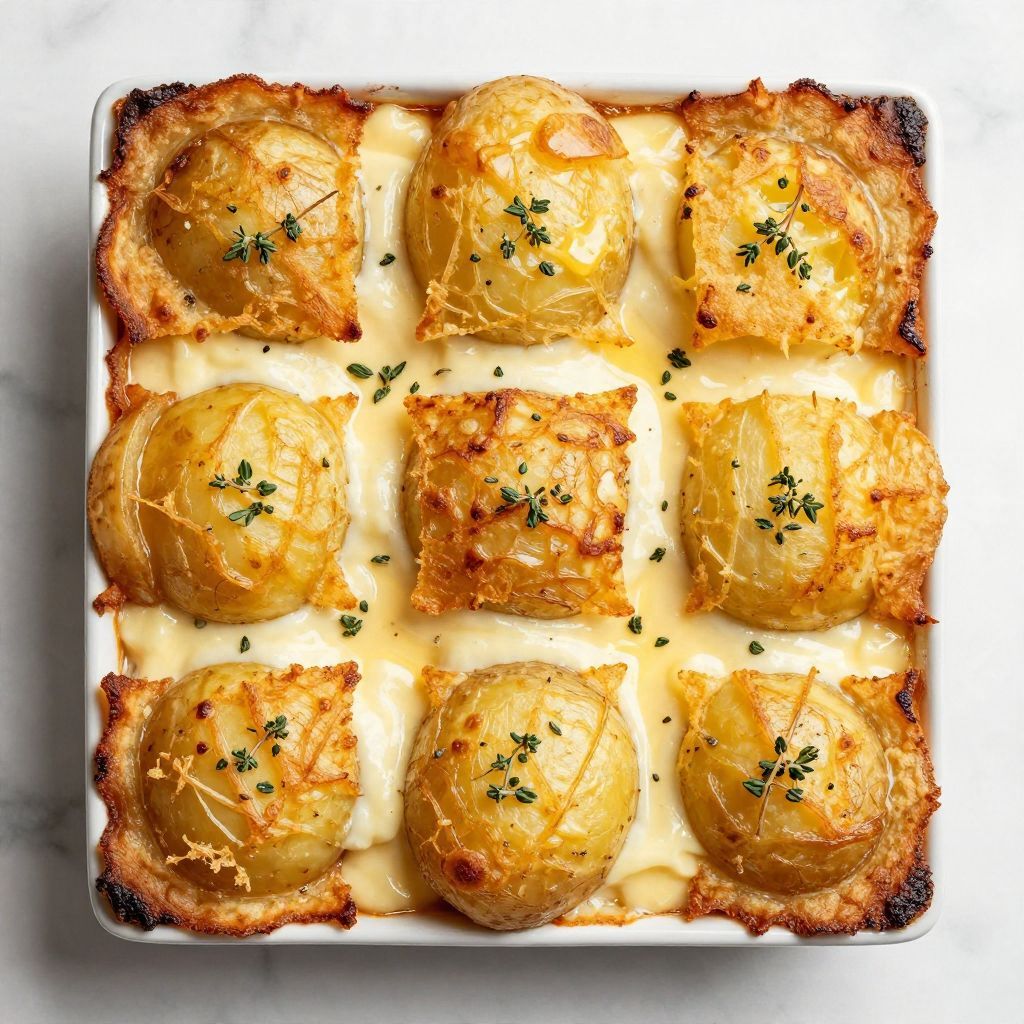
Potato Pave
Ingredients
Equipment
Method
- Preheat the oven to 375°F (190°C).
- Grease your baking dish with butter.
- In a mixing bowl, combine the heavy cream, milk, melted butter, salt, pepper, and thyme.
- Layer half of the potato slices in the bottom of the dish.
- Pour half of the cream mixture over the first layer of potatoes.
- Add the remaining potato slices on top, followed by the rest of the cream mixture.
- Cover the dish with aluminum foil and bake for 45 minutes.
- Remove the foil and bake for an additional 15 minutes until the top is golden brown and crispy.
- Let the potato pave rest for 10 minutes before slicing.