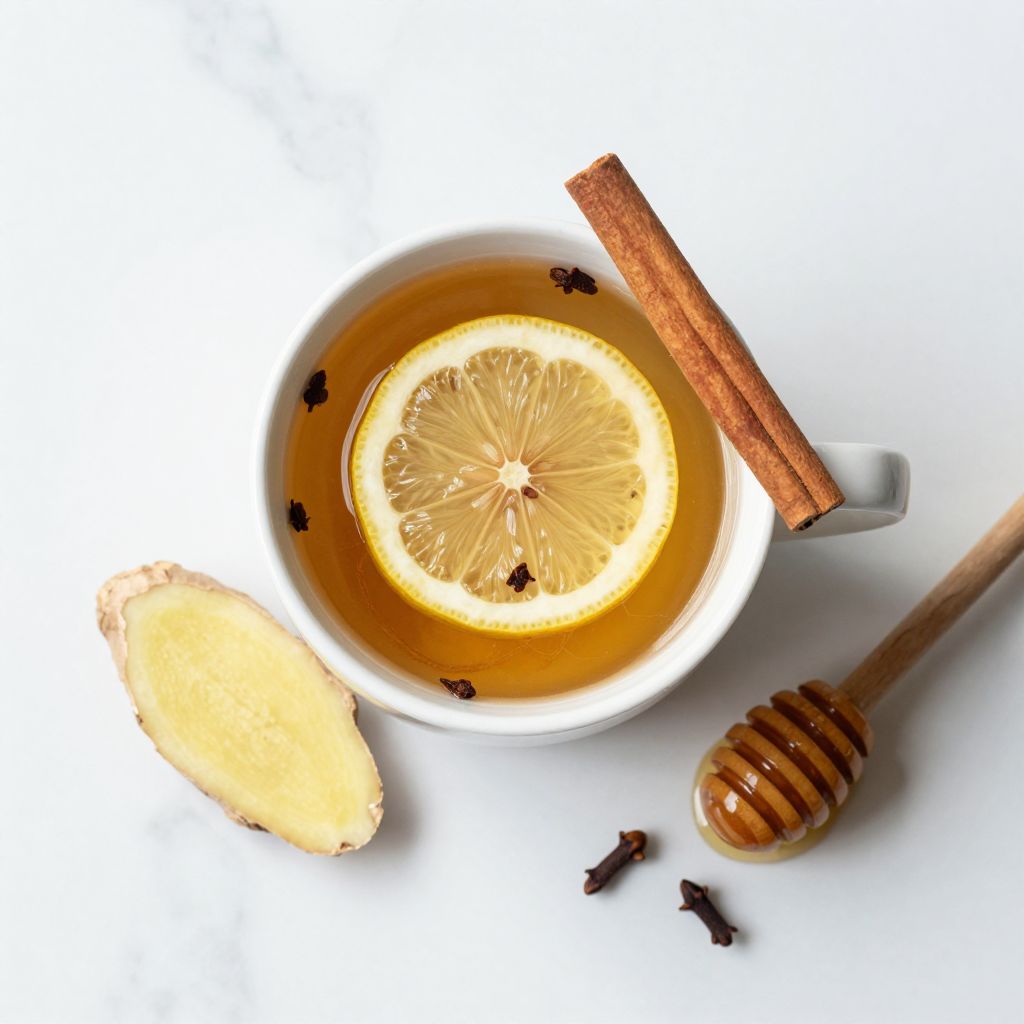
There’s something about the aroma of cloves steeping in hot water that instantly transports you to a cozy afternoon, wrapped in a blanket with nowhere to be. Clove tea is one of those simple pleasures that tastes like comfort and feels like a warm hug from the inside out.
This recipe delivers far more than just a hot drink. Cloves bring a bold, slightly sweet spice that wakes up your palate, while the soothing warmth of the brew helps ease digestion and calm your mind.
What makes this tea special is how quickly you can prepare it with ingredients you likely have on hand, and how versatile it becomes once you master the basics. Whether you’re fighting off a cold, looking for an afternoon pick-me-up, or simply craving something aromatic and real, this clove tea will become a regular in your rotation.
Why You’ll Love This Recipe
Clove tea hits all the right notes: it’s fast to make, naturally caffeine-free, and packed with warmth and flavor that lingers long after your last sip.
- Ready in under 10 minutes with minimal prep work
- Uses whole spices for deeper, more complex flavor than tea bags
- Naturally caffeine-free, so you can enjoy it any time of day
- Supports digestion and soothes inflammation with cloves’ natural compounds
- Endlessly customizable with honey, citrus, ginger, or cinnamon
My Experience Making This Recipe
I first made clove tea on a rainy October evening when I ran out of regular tea bags and found a small jar of whole cloves in my spice cabinet. I wasn’t sure what to expect, but the moment the steam rose from my mug, I knew I’d stumbled onto something special.
The first sip was bold and slightly peppery, with a sweetness that emerged as the tea cooled slightly. My partner walked into the kitchen, caught the scent, and asked for a cup before I’d even finished mine.
Since then, I’ve made this tea dozens of times, experimenting with ratios and additions. I’ve learned that a little patience with the steeping time makes all the difference, and that fresh cloves truly taste better than stale ones.
Recipe Overview
- Recipe Name: Clove Tea
- Servings: 2 cups
- Prep Time: 2 minutes
- Cook Time: 8 minutes
- Total Time: 10 minutes
- Course: Beverage
- Cuisine: Global
- Calories per Serving: 5
Equipment You Will Need
- Kettle or small saucepan
- Measuring spoon
- Strainer or infuser
- Two mugs or teacups
- Spoon for stirring
- Small cutting board (optional, for crushing cloves)
Ingredients for Clove Tea
- Whole cloves: 8 to 10 pieces per cup
- Water: 2 cups, filtered or fresh
- Honey: 1 to 2 teaspoons per cup, or to taste
- Fresh lemon juice: 1/2 teaspoon per cup (optional but recommended)
- Cinnamon stick: 1 piece, broken in half (optional)
- Fresh ginger: 1/4 inch slice, peeled (optional)
Ingredient Notes and Substitutions
- Whole cloves: These deliver richer flavor than ground cloves and create a more refined tea. If you only have ground cloves, use 1/4 teaspoon per cup, though you’ll miss the traditional steeping experience and may need to strain through cheesecloth.
- Honey: Honey complements cloves beautifully and adds natural sweetness without harshness. Substitute with maple syrup or coconut sugar for different flavor notes, though honey’s floral qualities work best.
- Fresh lemon juice: Lemon brightens the spice and adds vitamin C for immune support. Lime juice or fresh orange juice work well too, with lime adding sharper brightness and orange adding mild sweetness.
- Cinnamon stick: This adds warmth and pairs naturally with cloves for a chai-like depth. A pinch of ground cinnamon works in a pinch, but whole sticks deliver cleaner flavor without sediment.
- Filtered water: Clean water lets the clove flavor shine without competing tastes. Tap water works fine if filtered water isn’t available, though some minerals may slightly mute the spice.
How to Make Clove Tea
Step 1: Gather and Inspect Your Cloves
Pull out your whole cloves and give them a quick look. Fresh cloves should smell strong and aromatic, not musty or faint, which signals they’ve lost potency sitting in your spice cabinet too long.
Step 2: Measure the Cloves
Measure 8 to 10 whole cloves per cup of tea you plan to make, using a measuring spoon for accuracy. More cloves intensify the flavor, so adjust based on how bold you like your tea.
Step 3: Fill Your Kettle with Water
Pour 2 cups of fresh, filtered water into your kettle and set it to boil. Using filtered water prevents any competing mineral tastes that might dull the cloves’ bright spice.
Step 4: Optional – Lightly Crush the Cloves
If you want faster flavor release, gently crush each clove with the side of a knife or in a mortar and pestle. This cracks the outer shell and exposes more surface area, though whole cloves work perfectly fine and look more elegant in the cup.
Step 5: Prepare Your Strainer and Mugs
Place your strainer or infuser over one or both mugs, depending on whether you’re making one or two servings. Having everything ready speeds up the process once your water boils.
Step 6: Pour Hot Water Over the Cloves
Once the water reaches a full boil, carefully pour it into your strainer containing the cloves. The hot water will immediately begin extracting the oils and flavors from the cloves, turning the liquid a pale golden color.
Step 7: Steep for 5 to 8 Minutes
Let the cloves steep undisturbed for 5 to 8 minutes, depending on how strong you want your tea. Five minutes gives you a gentler tea, while 8 minutes creates a bolder, more assertive clove flavor that coats your mouth pleasantly.
Step 8: Strain into Your Serving Mugs
Carefully strain the clove-infused water into your mugs, removing all the whole cloves. This prevents over-steeping if you’re not drinking right away and ensures a clean, clear tea in your cup.
Step 9: Add Honey and Lemon
Stir in 1 to 2 teaspoons of honey per mug, depending on your sweetness preference, along with a few drops of fresh lemon juice if using. The honey rounds out the spice’s sharp edges, while lemon brightens everything and adds a subtle tartness.
Step 10: Taste and Adjust
Take a careful sip once the tea cools slightly, usually after about 1 minute. Add more honey or lemon now if you’d like, since adjusting at the end is always easier than trying to fix it mid-steep.
Pro Tip: Fresh, fragrant cloves make an enormous difference in flavor, so replace your spice jar if the cloves smell dull or musty instead of sharp and spicy.
Tips for the Best Clove Tea
- Use whole cloves rather than ground for cleaner flavor and a more enjoyable drinking experience. Ground cloves can create sediment that settles at the bottom of your cup, which some people find unpleasant.
- Check your cloves’ age before brewing and replace them if they’ve been in your cabinet for over a year. Whole spices gradually lose potency, and old cloves will produce a weak, underwhelming tea.
- Steep your cloves in boiling water, not just hot water, to properly extract their oils and compounds. Water that’s cooled below boiling temperature will brew a noticeably thinner, less flavorful tea.
- Pair clove tea with a small snack like toast, cookies, or fruit to enhance the experience and prevent the boldness from overwhelming your stomach on an empty belly.
- Make a larger batch by doubling or tripling the recipe and storing it in the refrigerator to reheat throughout the day. Fresh clove tea is better than day-old, but reheated batches still taste pleasant and spiced.
Common Mistakes to Avoid
- Steeping for too long can make clove tea bitter and overly intense. Anything beyond 10分钟 will push the flavor past pleasant spice into harsh territory.
- Using ground cloves instead of whole cloves creates sediment that clouds your tea and changes the texture. This also makes it harder to strain cleanly without particles ending up in your cup.
- Adding honey before the tea cools slightly can destroy some of honey’s beneficial enzymes and make it taste slightly burnt. Wait about one minute after pouring before stirring in your sweetener.
- Forgetting to strain the cloves completely leaves them sitting in your mug, continuing to brew and making the tea progressively more bitter. Remove them promptly once your steeping time ends.
- Using water that’s not quite boiling reduces the efficiency of flavor extraction and results in a wimpy, underwhelming cup. Cloves need proper heat to release their full aromatic potential.
Serving Suggestions
Clove tea shines on its own, but it also pairs beautifully with a small selection of foods and other drinks. Serve it as an afternoon treat, an after-dinner digestive, or a soothing option during colder months.
- Pair with ginger cookies or spiced shortbread cookies for a complementary spice combination
- Serve alongside fresh fruit like sliced apples or pears for a light, refreshing contrast
- Offer with a small piece of dark chocolate for a simple, elegant pairing that highlights both flavors
- Combine with a warm scone topped with honey and butter for a cozy afternoon tea experience
- Serve cold over ice with a splash of apple cider for a seasonal twist on the traditional warm version
Variations to Try
- Chai-Inspired Clove Tea: Add 1/4 teaspoon of black tea, a cinnamon stick, and a slice of fresh ginger to create a more complex, warming blend. This variation becomes creamier and more indulgent if you add a splash of milk.
- Apple Clove Tea: Replace half the water with fresh apple cider and add 2 to 3 cloves per cup for a naturally sweeter version. The apple’s mild sweetness balances the cloves’ spice beautifully without extra honey.
- Orange Clove Tea: Brew as normal but add a strip of fresh orange zest and use fresh orange juice instead of lemon. This creates a brighter, more citrusy tea with less tartness than lemon brings.
- Cardamom Clove Tea: Crush 2 to 3 cardamom pods and brew them alongside your cloves for added warmth and floral notes. This pair traditionally work together in Middle Eastern and Indian beverages.
- Vanilla Clove Tea: Add 1/4 teaspoon of pure vanilla extract after steeping for a smooth, slightly sweet dimension that softens the cloves’ sharpness. This variation feels more dessert-like and works well with a splash of cream.
Dietary Adaptations
- Gluten-Free: Clove tea is naturally gluten-free as long as you use pure cloves and avoid any additives or pre-made blends with fillers. Check all add-ins like honey and spices for certification if you have celiac disease.
- Dairy-Free: The basic recipe contains no dairy, but if adding milk or cream for richness, substitute with oat milk, almond milk, or coconut milk. Coconut milk creates the creamiest, most luxurious mouthfeel.
- Vegan: Use maple syrup or coconut sugar instead of honey to keep this recipe completely plant-based. The flavor shift is subtle, and maple actually pairs nicely with cloves’ spice.
- Low-Carb/Keto: Skip the honey entirely or use stevia or erythritol as your sweetener to keep carbohydrate content minimal. The tea is already very low in calories and carbs without any sweetening.
Storage and Reheating
Refrigerator
Store leftover clove tea in a glass container in the refrigerator for up to 3 days. The flavor will remain pleasant, though it won’t taste quite as bright as freshly brewed tea.
- Keep the tea in a sealed, glass container to prevent it from absorbing fridge odors
- Strain out all cloves before storing to prevent over-steeping
- Let the tea cool to room temperature before refrigerating to prevent condensation buildup
Freezer
Clove tea doesn’t freeze particularly well because the texture changes slightly, but you can freeze it in ice cube trays for up to 2 months. These cubes work best for making iced clove tea rather than hot tea.
- Pour strained tea into ice cube trays and freeze solid
- Transfer frozen cubes to a freezer bag for easier storage and thawing
- Thaw cubes at room temperature or reheat gently on the stovetop
Reheating
Gently reheat refrigerated clove tea on the stovetop over medium heat until steaming, stirring occasionally to ensure even warming. Avoid using the microwave, which can create hot spots that taste burnt.
- Pour tea into a small saucepan and heat for 2 to 3 minutes
- Taste and adjust sweetness after reheating, as some flavors may shift slightly
- Don’t let the tea come to a rolling boil, as this can make it taste slightly harsh
Nutrition Information
| Nutrient | Amount |
|---|---|
| Calories | 5 |
| Total Fat | 0g |
| Saturated Fat | 0g |
| Carbohydrates | 1g |
| Fiber | 0g |
| Sugar | 0g |
| Protein | 0g |
| Sodium | 2mg |
| Cholesterol | 0mg |
This nutritional information reflects the basic tea recipe without honey or optional add-ins. Adding honey, milk, or other ingredients will increase the calorie and carbohydrate content accordingly.
Frequently Asked Questions
Can I use ground cloves instead of whole cloves?
Ground cloves work but produce sediment that clouds your tea and creates a grittier texture. Use 1/4 teaspoon of ground cloves per cup and strain through a fine mesh or cheesecloth, though the experience won’t be quite as clean as using whole cloves.
How long can I make clove tea ahead of time?
Brew it no more than a few hours before serving for the best flavor, or store it in the refrigerator for up to 3 days. Reheating loses some aromatic qualities, so freshly brewed tea always tastes noticeably better.
What does clove tea taste like?
Clove tea tastes warm, spicy, and slightly sweet with a peppery finish that lingers on your tongue. The flavor is bold but smooth, especially once you add honey or lemon to balance the spice.
Is clove tea safe to drink every day?
Yes, clove tea is safe for most people to drink daily, though it’s best to limit consumption to 1 to 2 cups per day. If you’re pregnant, nursing, or taking blood thinners, consult your doctor before making this a regular habit, as cloves can interact with certain medications.
How do I know if my cloves are still fresh?
Fresh cloves smell strongly aromatic with a sharp, peppery scent and taste boldly spicy without any musty or dull notes. If your cloves smell faint or have been sitting in your cabinet for over a year, they’ve lost potency and should be replaced.
Can I add milk to clove tea?
Yes, a splash of milk or a milk alternative softens the spice and creates a creamier mouthfeel. Whole milk creates the richest version, while oat milk or coconut milk adds subtle sweetness that complements the cloves.
What’s the best water temperature for brewing clove tea?
Use water that’s at a full rolling boil, around 212 degrees Fahrenheit, to properly extract the cloves’ oils and flavors. Water that’s cooled below boiling temperature will produce a noticeably weaker tea.
Final Thoughts
Clove tea is one of those simple recipes that punches far above its weight in flavor and satisfaction. Once you master the basic technique, you’ll find yourself returning to this warm, spiced cup again and again.
Try this recipe this week and discover why clove
Clove Tea

A warm, aromatic beverage made by steeping whole cloves in boiling water. This naturally caffeine-free tea delivers bold, slightly sweet spice with a peppery finish, perfect for any time of day. Ready in just 10 minutes with simple ingredients.
- Kettle or small saucepan
- Measuring spoon
- Strainer or infuser
- Two mugs or teacups
- Spoon for stirring
- Small cutting board (optional, for crushing cloves)
Main
- 8 to 10 pieces whole cloves per cup (16-20 total)
- 2 cups water (filtered or fresh)
- 1 to 2 teaspoons honey per cup (or to taste)
- 1/2 teaspoon fresh lemon juice per cup (optional)
- 1 cinnamon stick (broken in half (optional))
- 1/4 inch slice fresh ginger (peeled (optional))
- Pull out your whole cloves and inspect them. Fresh cloves should smell strong and aromatic, not musty or faint.
- Measure 8 to 10 whole cloves per cup of tea, adjusting based on how bold you like your tea.
- Pour 2 cups of fresh, filtered water into your kettle and bring to a full rolling boil at 212°F.
- Optional: Gently crush each clove with the side of a knife or in a mortar and pestle to release flavor faster.
- Place your strainer or infuser over one or both mugs.
- Once water reaches a full boil, carefully pour it over the cloves in the strainer.
- Let the cloves steep undisturbed for 5 to 8 minutes. Five minutes for gentler tea, 8 minutes for bolder flavor.
- Carefully strain the clove-infused water into your mugs, removing all whole cloves.
- Stir in 1 to 2 teaspoons of honey per mug, depending on sweetness preference, along with a few drops of fresh lemon juice if using.
- Let cool for about 1 minute, then taste and adjust with more honey or lemon if desired. Serve warm.
Use whole cloves rather than ground for cleaner flavor. Fresh cloves make an enormous difference, so replace your spice jar if cloves smell dull. Steep in boiling water, not just hot water, to properly extract oils. Store leftover tea in refrigerator for up to 3 days. Pair with ginger cookies, fresh fruit, or dark chocolate for best serving experience.