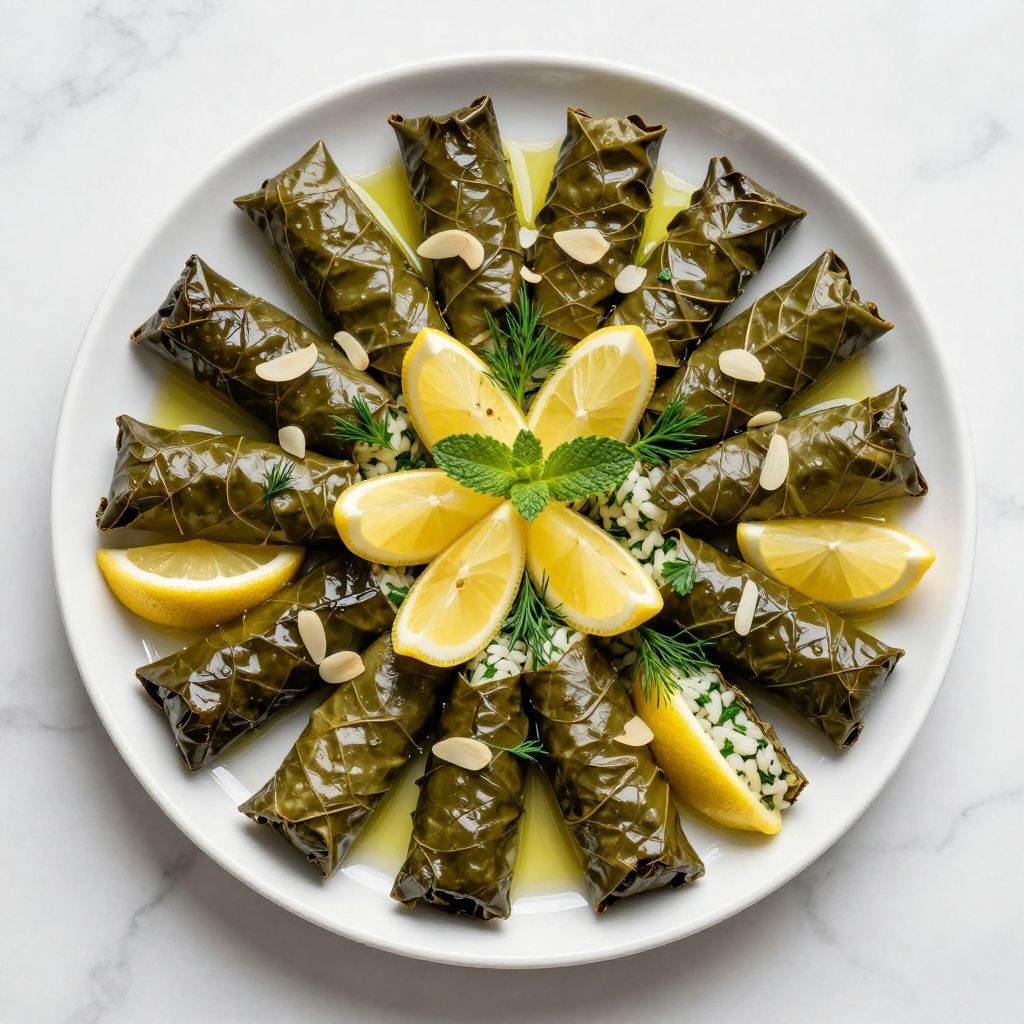
The first time you peel back a tender grape leaf to reveal its aromatic rice and herb filling, you’ll understand why this Mediterranean classic has captivated home cooks for centuries. Stuffed grape leaves, known as dolmas or dolmades, pack an incredible amount of flavor into each neat little package, with bright lemon, fragrant herbs, and perfectly seasoned rice wrapped in briny leaves.
This recipe walks you through every step of making authentic stuffed grape leaves from scratch, whether you’re using jarred or fresh leaves. The filling strikes the perfect balance between fluffy rice, fresh herbs, and tangy citrus, while the gentle simmering creates a melt-in-your-mouth texture that’s absolutely worth the effort.
Why You’ll Love This Recipe
These stuffed grape leaves deliver restaurant-quality results right in your own kitchen, and they’re surprisingly straightforward once you get the hang of the rolling technique. They work beautifully as an appetizer, side dish, or light main course that impresses guests without requiring advanced cooking skills.
- Make-ahead friendly and actually tastes better the next day
- Naturally vegan and packed with fresh Mediterranean flavors
- Perfect for meal prep, parties, or weeknight dinners
- Uses simple, affordable ingredients you can find at most grocery stores
- Freezes beautifully for up to three months
My Experience Making This Recipe
I’ll admit my first batch looked more like little cigars that had been through a wrestling match, but the taste was so incredible that I kept practicing until I got the technique down. Now I can roll these grape leaves while chatting with friends, and the meditative rhythm of filling, folding, and rolling has become oddly satisfying.
The aroma that fills your kitchen while these simmer is nothing short of amazing. Fresh dill, mint, and lemon create this bright, herbaceous scent that makes everyone wander into the kitchen asking when dinner will be ready.
I brought a platter to a potluck last month and watched them disappear in about fifteen minutes. Even people who claimed they’d never tried grape leaves before came back for seconds, and three people asked me for the recipe before the night ended.
Recipe Overview
- Recipe Name: Stuffed Grape Leaves
- Servings: 6 (about 30 pieces)
- Prep Time: 45 minutes
- Cook Time: 50 minutes
- Total Time: 1 hour 35 minutes
- Course: Appetizer, Side Dish
- Cuisine: Mediterranean, Middle Eastern
- Calories per Serving: 185
Equipment You Will Need
- Large pot with lid for cooking the grape leaves
- Medium mixing bowl for the filling
- Sharp knife and cutting board
- Measuring cups and spoons
- Wooden spoon for mixing
- Plate or small pot lid to weigh down grape leaves while cooking
- Colander for draining
- Kitchen towels or paper towels
Ingredients for Stuffed Grape Leaves
For the Filling
- 1 cup uncooked short-grain white rice (or medium-grain)
- 1/2 cup fresh dill, finely chopped
- 1/2 cup fresh mint, finely chopped
- 1/2 cup fresh parsley, finely chopped
- 1 medium onion, finely diced
- 3 cloves garlic, minced
- 1/3 cup olive oil
- 2 tablespoons tomato paste
- Juice of 1 large lemon (about 3 tablespoons)
- 1 teaspoon salt
- 1/2 teaspoon black pepper
- 1/4 teaspoon cinnamon
For Assembly and Cooking
- 1 jar (16 ounces) grape leaves, drained and rinsed
- 2 cups vegetable broth (or water)
- 1/4 cup olive oil
- Juice of 1 lemon
- 3 cloves garlic, thinly sliced
- Extra lemon wedges for serving
Ingredient Notes and Substitutions
- Short-grain rice: Creates a tender, slightly sticky texture that holds together perfectly inside the leaves. You can substitute with jasmine or basmati rice, but the texture will be fluffier and less cohesive.
- Fresh herbs: Provide the signature bright, aromatic flavor that defines this dish. Dried herbs won’t give you the same fresh taste, but in a pinch use one-third the amount of dried herbs.
- Jarred grape leaves: Come pre-brined and ready to use after a quick rinse. Fresh grape leaves work beautifully if you have access to them, but they need to be blanched in boiling water for 2 minutes first.
- Tomato paste: Adds depth and a subtle sweetness to balance the lemon’s acidity. You can swap with 1/4 cup finely diced fresh tomatoes for a lighter flavor.
- Olive oil: Enriches the filling and helps create a silky texture. Avocado oil works as a substitute, though you’ll lose some Mediterranean character.
- Cinnamon: Brings a warm, subtle complexity that’s traditional in many Middle Eastern versions. Leave it out if you prefer a purely herby profile.
How to Make Stuffed Grape Leaves
Step 1: Prepare the Grape Leaves
Remove the grape leaves from the jar and rinse them thoroughly under cold running water to remove excess brine. Carefully separate the leaves and inspect them for any tears, setting aside the torn or small leaves to line the bottom of your pot later.
Pat the leaves completely dry with kitchen towels, which prevents the filling from getting soggy and makes rolling much easier. Trim off any thick stems with scissors since they’re tough and interfere with neat rolling.
Step 2: Make the Filling
Rinse the rice under cold water until the water runs clear, then drain it well. Combine the rice in a medium bowl with the diced onion, minced garlic, all the chopped herbs, olive oil, tomato paste, lemon juice, salt, pepper, and cinnamon.
Mix everything together thoroughly with your hands or a wooden spoon until the rice is evenly coated and the herbs are distributed throughout. The rice stays uncooked at this stage because it will steam perfectly inside the grape leaves during the simmering process.
Step 3: Set Up Your Rolling Station
Lay out a clean, dry work surface and place a grape leaf flat with the stem end closest to you and the shiny side facing down. Position your bowl of filling nearby along with a small bowl of water for sealing.
Line the bottom of your large pot with the torn or smaller grape leaves to create a protective layer that prevents the rolled leaves from sticking or burning. This also adds extra flavor to the cooking liquid.
Step 4: Fill the Grape Leaf
Place about 1 tablespoon of filling in a horizontal line across the lower third of the leaf, about 1 inch from the bottom edge. Don’t overstuff or the leaves will burst during cooking, and remember the rice will expand as it cooks.
The amount of filling depends on leaf size, so use less for smaller leaves and slightly more for larger ones. Keeping the filling tight and compact creates neater rolls and more even cooking.
Step 5: Roll the Grape Leaves
Fold the bottom edge of the leaf up and over the filling, then fold both sides inward toward the center like you’re wrapping a tiny burrito. Roll the leaf away from you tightly but gently, keeping the sides tucked in as you go.
The finished roll should be snug enough to hold its shape but not so tight that the rice can’t expand. Aim for rolls about the size of your pinky finger, which ensures they cook evenly and are perfect for eating in one or two bites.
Step 6: Arrange in the Pot
Place each rolled grape leaf seam-side down in the pot, arranging them tightly in a single layer in a circular pattern. Pack them close together so they support each other and don’t unroll during cooking.
If you have more rolls than fit in one layer, create a second layer on top of the first. The tight packing is actually helpful here because it keeps everything in place as the liquid simmers.
Step 7: Add Liquid and Weight
Scatter the sliced garlic over the top of the arranged grape leaves, then drizzle with the 1/4 cup olive oil and the juice of one lemon. Pour the vegetable broth gently over everything until the liquid just barely covers the rolls.
Place a heat-safe plate or small pot lid directly on top of the grape leaves to keep them submerged during cooking. This weight prevents them from floating and unraveling, and helps them cook evenly in the flavorful liquid.
Step 8: Simmer Until Tender
Bring the pot to a boil over medium-high heat, then immediately reduce the heat to low and cover with the pot lid. Simmer gently for 45 to 50 minutes until the rice is completely cooked and the leaves are tender when you test one.
Resist the urge to stir or move the grape leaves during cooking, which can cause them to break apart. The low, steady simmer allows the rice to absorb the liquid gradually and infuse with all those gorgeous flavors from the lemon, garlic, and herbs.
Step 9: Cool and Serve
Remove the pot from heat and let the grape leaves cool in the cooking liquid for at least 20 minutes. This resting time allows the rice to finish absorbing any remaining liquid and helps the rolls firm up so they hold together when you transfer them.
Carefully remove the grape leaves with a slotted spoon and arrange them on a serving platter. Serve them warm, at room temperature, or chilled with extra lemon wedges on the side for squeezing over the top.
Pro Tip: If your grape leaves keep unraveling while you roll them, they might be too wet. Pat them extra dry with paper towels before filling, and make sure your filling is compact and not too loose or watery.
Tips for the Best Stuffed Grape Leaves
- Choose grape leaves that are medium-sized and uniform when possible, which makes rolling easier and ensures even cooking. Save the very small leaves for lining the pot and the very large ones for wrapping around the outside of the second layer.
- Don’t skip rinsing the jarred grape leaves thoroughly since they’re packed in very salty brine that can overpower your filling. Two or three rinses under cold water usually does the trick.
- Keep your rolls consistent in size so they all finish cooking at the same time. Measure the filling with a tablespoon at first until you get a feel for the right amount.
- Add a cinnamon stick or bay leaves to the cooking liquid for extra aromatic depth. These subtle additions complement the herbs without overwhelming them.
- Taste your filling before you start rolling to adjust the seasoning. The rice is raw so don’t eat much, but a tiny taste tells you if you need more salt, lemon, or herbs.
- If you’re new to rolling grape leaves, practice with a few leaves before committing your precious filling. You’ll get the hang of it quickly, and those practice rolls still taste delicious even if they look wonky.
Common Mistakes to Avoid
- Overfilling the grape leaves causes them to burst open during cooking as the rice expands. Use less filling than you think you need, especially when you’re starting out.
- Rolling the leaves too loosely results in floppy, unwrapped rolls that fall apart when you try to serve them. Apply gentle but firm pressure as you roll to keep everything compact.
- Cooking at too high a temperature makes the leaves tough and can cause the rice to cook unevenly or stick to the bottom of the pot. A gentle simmer on low heat is the key to tender, perfectly cooked grape leaves.
- Skipping the weight on top of the rolls lets them float and unravel as they cook. Always use a plate or lid to keep them submerged and in place.
- Using long-grain rice instead of short or medium-grain creates a dry, separated texture inside the leaves. Short-grain rice releases starch as it cooks, creating that signature creamy, cohesive filling.
Serving Suggestions
Stuffed grape leaves shine as part of a Mediterranean mezze spread, where you can offer a variety of small plates for guests to sample and enjoy. They’re also substantial enough to serve as a light main course alongside a crisp salad and crusty bread.
- Serve with thick, tangy Greek yogurt or tzatziki sauce for dipping
- Pair with hummus, baba ganoush, and warm pita bread for a complete mezze platter
- Add to a grain bowl with quinoa, roasted vegetables, and tahini dressing
- Serve alongside grilled chicken or fish with a simple cucumber and tomato salad
- Offer with marinated olives, feta cheese, and roasted red peppers for an authentic Mediterranean experience
Variations to Try
- Meat-filled version: Add 1/2 pound of ground lamb or beef to the rice filling along with a pinch of allspice and cumin for a heartier, more traditional version. The meat adds richness and makes these substantial enough for a main course.
- Pine nut and currant addition: Stir 1/4 cup toasted pine nuts and 2 tablespoons dried currants into the filling for textural contrast and subtle sweetness. This variation is popular in Turkish and Greek cuisines.
- Lemon-dill focused: Double the dill and lemon juice while omitting the mint and cinnamon for a brighter, more Scandinavian-inspired flavor profile. This version pairs beautifully with salmon.
- Spiced rice filling: Add 1/2 teaspoon each of cumin, coriander, and a pinch of cayenne for a North African twist. These warm spices create a more complex, aromatic filling.
- Cabbage leaf version: Use blanched cabbage leaves instead of grape leaves for a milder, slightly sweeter wrapper. Blanch large cabbage leaves in boiling water for 3 minutes until pliable, then roll and cook the same way.
Dietary Adaptations
- Gluten-free: This recipe is naturally gluten-free as written, just make sure your vegetable broth doesn’t contain any hidden gluten. Check labels on store-bought broth to be safe.
- Dairy-free: This recipe contains no dairy and is already dairy-free, making it perfect for those with lactose intolerance or dairy allergies. Just skip any yogurt-based dipping sauces if needed.
- Vegan/Vegetarian: The recipe as written is completely vegan and vegetarian-friendly with no animal products. For added protein, stir in some cooked chickpeas or chopped walnuts to the filling.
- Low-carb/Keto: Replace the rice with finely riced cauliflower (squeeze out excess moisture first) for a lower-carb version, though the texture will be softer and less traditional. You’ll need about 2 cups of cauliflower rice, and reduce the cooking time by 10 to 15 minutes.
Storage and Reheating
Refrigerator
Store cooked stuffed grape leaves in an airtight container in the refrigerator for up to 5 days. They actually taste better after a day or two as the flavors meld together and deepen.
- Keep them in a single layer if possible to prevent crushing
- Pour a little of the cooking liquid over them to keep them moist
- Bring to room temperature before serving for the best flavor
Freezer
Freeze cooked and cooled grape leaves in a freezer-safe container for up to 3 months. Layer them with parchment paper between each layer to prevent sticking.
- Flash-freeze on a baking sheet first, then transfer to containers
- Label with the date and reheating instructions
Reheating
Reheat refrigerated grape leaves gently in a covered pan with a splash of water or broth over low heat for about 10 minutes. You can also microwave them on medium power in 30-second intervals until warmed through.
- Add a drizzle of olive oil before reheating to refresh the flavors
- Steam them in a steamer basket for even, gentle reheating
- Squeeze fresh lemon juice over them after reheating to brighten the taste
Nutrition Information
| Nutrient | Amount |
|---|---|
| Calories | 185 |
| Total Fat | 10g |
| Saturated Fat | 1.5g |
| Carbohydrates | 22g |
| Fiber | 2g |
| Sugar | 2g |
| Protein | 3g |
Stuffed Grape Leaves
Authentic Mediterranean stuffed grape leaves (dolmas) filled with aromatic rice, fresh herbs, and bright lemon. These tender, flavorful packages make a perfect appetizer or side dish that’s naturally vegan and freezer-friendly.
- Large pot with lid
- Medium mixing bowl
- Sharp knife and cutting board
- Measuring cups and spoons
- Wooden spoon
- Plate or small pot lid for weighing down
- Colander
- Kitchen towels or paper towels
For the Filling
- 1 cup uncooked short-grain white rice (or medium-grain)
- 1/2 cup fresh dill (finely chopped)
- 1/2 cup fresh mint (finely chopped)
- 1/2 cup fresh parsley (finely chopped)
- 1 medium onion (finely diced)
- 3 cloves garlic (minced)
- 1/3 cup olive oil
- 2 tablespoons tomato paste
- Juice of 1 large lemon (about 3 tablespoons)
- 1 teaspoon salt
- 1/2 teaspoon black pepper
- 1/4 teaspoon cinnamon
For Assembly and Cooking
- 1 jar (16 ounces grape leaves, drained and rinsed)
- 2 cups vegetable broth (or water)
- 1/4 cup olive oil
- Juice of 1 lemon
- 3 cloves garlic (thinly sliced)
- Extra lemon wedges for serving
- Remove the grape leaves from the jar and rinse them thoroughly under cold running water to remove excess brine. Carefully separate the leaves and inspect them for any tears, setting aside the torn or small leaves to line the bottom of your pot later. Pat the leaves completely dry with kitchen towels and trim off any thick stems with scissors.
- Rinse the rice under cold water until the water runs clear, then drain it well. Combine the rice in a medium bowl with the diced onion, minced garlic, all the chopped herbs (dill, mint, parsley), 1/3 cup olive oil, tomato paste, juice of 1 lemon, salt, pepper, and cinnamon. Mix everything together thoroughly with your hands or a wooden spoon until the rice is evenly coated and the herbs are distributed throughout.
- Line the bottom of your large pot with the torn or smaller grape leaves to create a protective layer that prevents the rolled leaves from sticking or burning. Lay out a clean, dry work surface and place a grape leaf flat with the stem end closest to you and the shiny side facing down.
- Place about 1 tablespoon of filling in a horizontal line across the lower third of the leaf, about 1 inch from the bottom edge. Don’t overstuff or the leaves will burst during cooking.
- Fold the bottom edge of the leaf up and over the filling, then fold both sides inward toward the center. Roll the leaf away from you tightly but gently, keeping the sides tucked in as you go. The finished roll should be about the size of your pinky finger.
- Place each rolled grape leaf seam-side down in the pot, arranging them tightly in a single layer in a circular pattern. Pack them close together so they support each other. If you have more rolls than fit in one layer, create a second layer on top of the first.
- Scatter the sliced garlic over the top of the arranged grape leaves, then drizzle with the 1/4 cup olive oil and the juice of one lemon. Pour the vegetable broth gently over everything until the liquid just barely covers the rolls. Place a heat-safe plate or small pot lid directly on top of the grape leaves to keep them submerged during cooking.
- Bring the pot to a boil over medium-high heat, then immediately reduce the heat to low and cover with the pot lid. Simmer gently for 45 to 50 minutes until the rice is completely cooked and the leaves are tender when you test one. Do not stir or move the grape leaves during cooking.
- Remove the pot from heat and let the grape leaves cool in the cooking liquid for at least 20 minutes. Carefully remove the grape leaves with a slotted spoon and arrange them on a serving platter. Serve them warm, at room temperature, or chilled with extra lemon wedges on the side.
Store cooked stuffed grape leaves in an airtight container in the refrigerator for up to 5 days. They actually taste better after a day or two as the flavors meld. Freeze for up to 3 months by flash-freezing on a baking sheet first, then transferring to containers with parchment paper between layers. If grape leaves keep unraveling while rolling, pat them extra dry with paper towels before filling.